The race for a truly bezel-less smartphone is well underway. More and more manufacturers are determinedly and deliberately shrinking down the dead space between smartphone screens and the metal frames that invariably surround them. But the pursuit of a 100 percent screen-to-body ratio, resulting in a phone that is pure screen when viewed from the front, is causing some issues.
What if the perfect smartphone aesthetic doesn’t make for the most functional device? The unpalatable truth is that most of us will accept a drop in usability for a design that gets our hearts beating a little faster. Right now, today, bezel-less phones look futuristic. And, perhaps just as importantly, big bezels are beginning to look decidedly old-fashioned. For a quick bezel comparison, take a look at our bezel-off between a handful of top smartphones.
Killing the bezels
Bezels are the edges of a phone that sit around the screen on the front. The idea of a bezel-less phone has been around in concept form for years, but it is only relatively recently that we’ve seen mass-market devices heading in this direction. The general trend towards bigger displays and smaller bodies, has definitely given way to a general clamoring for a truly bezel-less design.
A truly bezel-less design is still some way off. But make no mistake – it’s coming.
The Samsung Galaxy S6 Edge dispensed with bezels at the sides of its 5.1-inch screen, but it still had a screen-to-body ratio of 71.7 percent. With the Infinity display of the S8, named after those pools whose surface simply drops over an invisible edge, Samsung managed to pack a 5.8-inch screen into an even smaller body, for a screen-to-body ratio of 83.6 percent.
The recently revealed Essential Phone, manages to push that ratio up to 84.9 percent, with its 5.71-inch screen, and the trendsetting Xiaomi Mi Mix matches Samsung’s 83.6 percent, but with a huge 6.4-inch display. Naturally, rumors abound that the next iPhone might be bezel-free.
As pundits will point out, a truly bezel-less design is still some way off. But make no mistake – it’s coming. TV manufacturers have been successfully shrinking bezels for quite some time — but we don’t hold TVs the way we hold our smartphones.
What do you do with the speakers, the buttons, the fingerprint sensor, and the front-facing camera? Are bezel-free phones more breakable? How do you hold the phone without accidentally triggering the touchscreen?
The bezel trade-off
No one has really solved all these problems yet, but they’re not insurmountable.
Shifting buttons onto the screen is easy enough and it’s a convention that’s been around in Android for years. It does eat into your screen real estate, but only for a moment when you need them. Physical home buttons, with capacitive counterparts, have largely been consigned to the design scrap-heap and, for the most part, we don’t miss them.
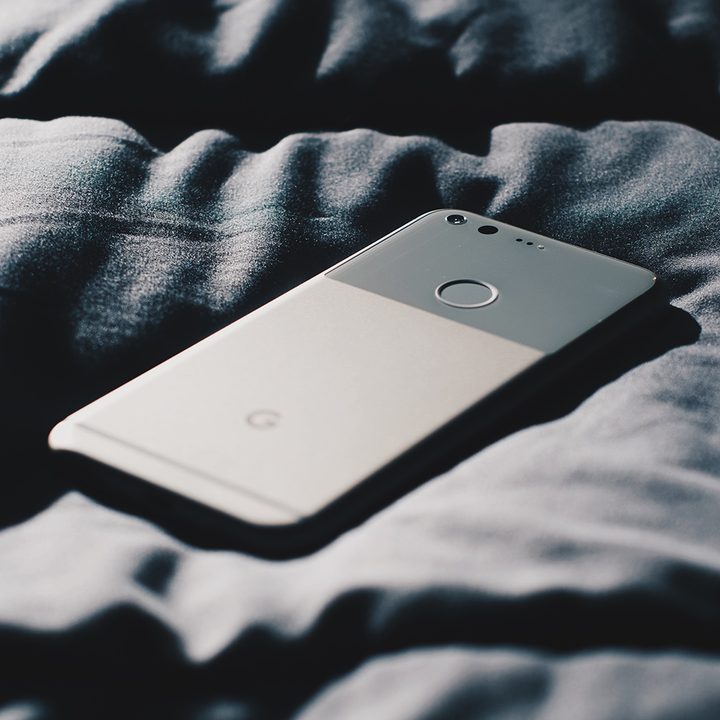
Fingerprint sensors have been moving around to the back, even in phones with relatively large bezels, like the Google Pixel, so that’s an easy sell. Though, some of us find it irritating to have to pick our phones up off the desk to unlock them.
It’s universally acknowledged that dual front-facing speakers produce the best sound experience if you’re not using headphones, but even the company that pioneered them – HTC – has been moving away from that design. Most of us will wear headphones when we want good sound anyway, so maybe shifting speakers to the top and bottom edges isn’t a big deal.
The front-facing camera is a stickier issue, especially in the selfie age. Essential’s inelegant solution is a cut-out that dips into the screen to house the selfie camera, while Xiaomi dropped it to the bottom. Both look decidedly weird and detract from the overall design. If manufacturers can’t figure out a way to put a front-facing camera under the screen, this could be the main stumbling block for truly bezel-free phones.
The front-facing camera is a stickier issue, especially in the selfie age.
The idea that cutting down the bezels makes the phone more fragile doesn’t seem to hold water. The front face of our phones has been all glass for a long time now, regardless of the bezel size. Maybe the display is more likely to get damaged in an impact, making the repair more expensive, but it’s not a deal-breaker. If we really wanted more durable phones, then we’d buy them – there are rugged phones out there. But we don’t buy them because they’re ugly.
Most people who worry about breaking their phones buy a case, though we must admit that nothing kills the beauty of a bezel-less design, with curved glass melting into a metal frame, faster than a thick rubber shell round the outside.
You’re holding it wrong
What about the issue of accidentally triggering the touchscreen and pausing your video, or suddenly scrolling at light speed and losing your place on the website page you were reading because you had to adjust your grip? It’s annoying as hell. There’s no denying that. So is watching a video and wondering why it’s so quiet, before realizing you’re covering the speaker with your finger.
The thing is, all of these issues melt into insignificance when you hold a near bezel-less phone. If you’ve criticized the Galaxy S8 without picking one up, then you don’t have the full picture. It’s not just about having a bigger screen, it’s about truly beautiful design. The kind of style that makes you want to touch it and gaze at it just because it looks so damn good.
The pursuit of a bezel-less design is the pursuit of beauty. It may be shallow, but like the cut of clothes, and the curves of classic cars, the right look can seduce you. Familiarity breeds contempt, so it’s no wonder that we’re bored of the thick border around our glass rectangle. It looks and feels like yesterday. Most of us will accept some functional compromise to get the feeling that we’re holding the future in our hands, and that’s what the bezel-less design represents.