1. Home
  2. Phones
  3. News

The next iPhone moment might come from an AI company, not Samsung or Apple

OpenAI is done playing nice with Android and iOS.

Add as a preferred source on Google
agentic smartphone representation
Ming-Chi Kuo

Your smartphone has a pile of apps. OpenAI wants to replace all of them with one AI agent that just gets things done. That’s the vision behind the company’s plans to build its own smartphone, complete with a custom processor co-developed with MediaTek and Qualcomm, as first reported by analyst Ming-Chi Kuo on X.

And Sam Altman seems to agree. In a post on X, the OpenAI CEO wrote, “feels like a good time to seriously rethink how operating systems and user interfaces are designed.” That is not a subtle hint.

feels like a good time to seriously rethink how operating systems and user interfaces are designed

(also the internet; there should be a protocol that is equally usable by people and agents)

— Sam Altman (@sama) April 26, 2026

Why would OpenAI want to make a phone?

We have seen earlier attempts at developing truly agentic AI in the form of Rabbit, Humane AI Pin, and other AI devices. However, those devices lacked the tight integration with our phones, apps, and services, resulting in failure. It seems that OpenAI wants to sidestep the limitation by creating its own phone to provide users with a true AI assistant. 

Recommended Videos

There are three solid reasons. First, to deliver a truly comprehensive AI agent experience, OpenAI needs full control over both the software and the hardware. Relying on Android or iOS means playing by someone else’s rules.

https://t.co/Qqi64OWBM3

— 郭明錤|Ming-Chi Kuo (@mingchikuo) April 27, 2026

Second, your smartphone knows more about you than any other device. It tracks your location, your habits, and your daily context in real time. That kind of data is gold for an AI agent trying to anticipate your needs before you even ask.

Third, smartphones are and will remain the biggest device category on the planet. If OpenAI wants to scale, this is where it needs to be. 

How will the AI actually work on this phone?

According to Ming-Chi Kuo, the new OpenAI smartphone will work on a two-layer system. The phone will handle lighter tasks on-device, like understanding your context, managing memory, and running smaller AI models. Heavier tasks get offloaded to the cloud. 

It’s similar to what Apple does with its iPhone and Private Cloud Compute, but OpenAI has the benefit of an actually working artificial intelligence model and not the disaster Apple calls Apple Intelligence.

On the business side, OpenAI is likely looking at bundling hardware with subscriptions, similar to how Apple bundles services, while also building a developer ecosystem around its AI agents.

Who is helping OpenAI build this thing?

Mr. Kuo reports that MediaTek and Qualcomm are the processor co-development partners, while Luxshare is the exclusive system co-design and manufacturing partner. Luxshare is particularly interesting here. 

According to Kuo, the company has long tried to challenge Hon Hai’s (read Foxconn) dominant position in Apple’s supply chain without much success. This project gives Luxshare an early foothold in what could be the next major smartphone generation, and that is a big deal for the company.

2028 feels far away, but if OpenAI pulls this off, the smartphone you are using today might look very different in the near future.

Rachit Agarwal
Rachit is a seasoned tech journalist with over ten years of experience covering the consumer technology landscape.
The memory crisis isn’t going to ease, and you will pay the price for it, says a research firm
Forty to 50% higher this quarter, 30 to 40% more next quarter, and no real relief until 2028. Plan accordingly.
RAM memory chips

If you were hoping the memory crisis was about to ease up, I have some bad news for you. It comes directly from Wall Street.

Your next smartphone, laptop, or tablet could cost even more, regardless of whether it has recently been subject to a price hike.

Read more
Screens before age two may come with serious developmental risks, study warns
Using a phone or a tablet to keep your baby occupied is not a good idea.
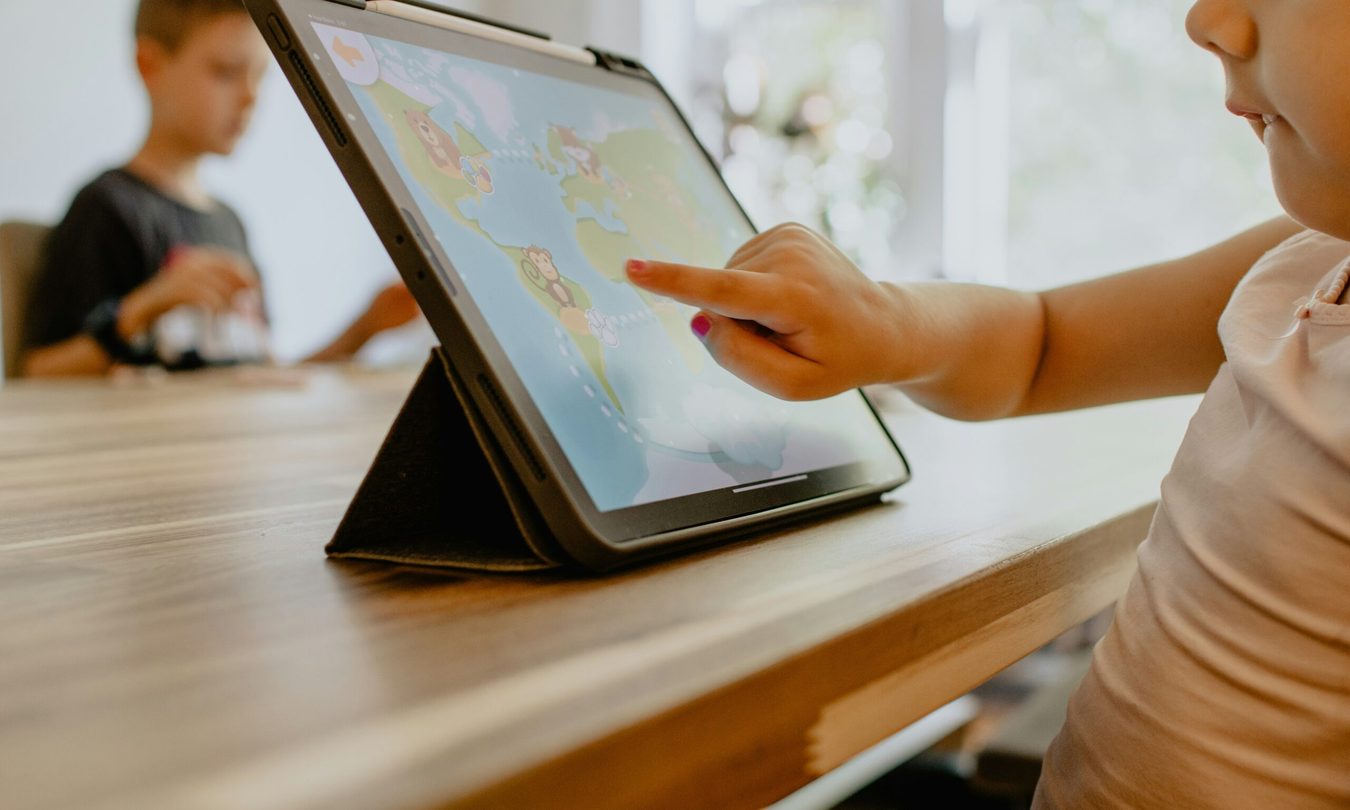
Kid using an iPad

Screens have become the digital pacifier for many babies. Phones and tablets are used during feeding, bedtime, chores, and moments when parents need a break. A major new study now warns that regular screen use before age two may carry developmental risks.

Researchers from four UK universities say babies and toddlers under two should avoid regular intentional screen time. The review links higher screen exposure in the first two years with sleep problems, language delays, behavioural difficulties, obesity risk, short-sightedness, and later problems with friendships and social interactions.

Read more
I tried the AI-powered Extend photo trick in iOS 27, and it blew past my expectations
The Extend feature won't fool everyone, but for casual social media edits, it's surprisingly easy to rely on.
Photography, Wood, Electronics

I wasn’t among the first to install the iOS 27 developer beta, but once I did, I began appreciating the changes Apple has made. The Photos app, in particular, has received one of its most substantial upgrades, adding an improved Clean Up tool, Spatial Reframing, and the new Extend feature, the one I was most eager to try. 

After spending some time with it on my iPhone 17, here’s how the tool has performed so far. Spoiler alert: it’s one of the most substantial additions to Apple’s previously slim lineup of AI features. I’ve tried the feature on several different photos, including a selfie I took in front of a dam in northern India, photos of food items on a table, and shots taken indoors and outdoors.

Read more