1. Home
  2. Photography
  3. Business
  4. Social Media
  5. News

Digital Trends may earn a commission when you buy through links on our site. Why trust us?

American Eagle’s Aerie lingerie brand soars after banning retouching in ads

Add as a preferred source on Google

In January 2014, clothing retailer American Eagle Outfitters promised the world it would stop Photoshopping models in advertising campaigns for its Aerie lingerie brand.

Related: See here for more American Eagle/Aeries products and accessories

Recommended Videos

In the two years since, the company has stuck to its word and featured models of all shapes and sizes in its marketing material, without a hint of body manipulation to be seen.

AerieReal
Image used with permission by copyright holder

While the move was viewed as nothing more than a marketing tactic by skeptics, it appears as though it’s paid off in the most literal of ways, regardless of its true purpose.

Since launching its #AerieReal campaign, the company has seen impressive growth. In 2015, Aerie grew by 20 percent year-over-year, according to Business Insider. Already in the first quarter of 2016 the company has increased its sales by 32 percent, an increase of 20 percent over last year’s first quarter increase of 12 percent.

While it’s impressive and encouraging to look at Aerie’s numbers after its move, it’s important to note this is very much a prime example that correlation does not imply causation. There could be many other factors affecting Aerie’s growth, but the numbers do line up regardless.

This news also comes on the heel of two recent instances where celebrities went out of their way to criticize photographers and publications for unrealistically manipulating their bodies.

Earlier this month actress Rumer Willis called out Vanity Fair photographers Mark Williams and Sara Hirakawa for allegedly photoshopping her jaw in a photo. Williams and Hirakawa responded to the allegations claiming the unusual appearance of her jaw was due to a correction applied in post-production due to shooting with a wide-angle lens, but no definitive conclusion was reached by both parties.

https://www.instagram.com/p/BE9Lc9QPhXp/

In the same week, HBO’s Girls creator Lena Dunham accused Spanish magazine Tentaciones of editing an image of her which appeared on the publication’s cover. This claim was also disputed, when the magazine replied with an open letter saying the image was “approved by the agency, the photographer, and [her] publicist.” In addition to getting approval, the photo was shown to appear in the exact same form three years earlier in a feature on Entertainment Weekly. Dunham later apologized in an Instagram post, although she has since taken it down.

NEDA Inspires Award 2015 - Aerie

What can be taken from all of this? Not much if you’re looking at it purely for the numbers. But if you step back, it shows there’s an obvious trend of celebrities and companies who are willing to go out of their way to ensure the body image of themselves or fellow models is as realistic as can be – whether it’s altruism or for the bottom line.

Gannon Burgett
Former Editor
The FCC’s latest crackdown could put more than DJI drones at risk in the US
Robot, Person, Face

DJI may have found creative ways to keep some of its products flowing into the US, but those efforts are now drawing increased attention from regulators. According to The Verge, the US Federal Communications Commission (FCC) has started cracking down on several companies it believes could be helping DJI continue selling products in the country. These businesses have been described by industry observers as "DJI front companies" because they market or import products that appear to be closely tied to the Chinese drone maker while operating under different brand names.

DJI's alleged back door may be closing

Read more
I bought Kodak’s viral keychain camera, and the bad photos are part of its charm
The Kodak Charmera is barely a camera, and I still keep using it
Machine, Wheel, Camera

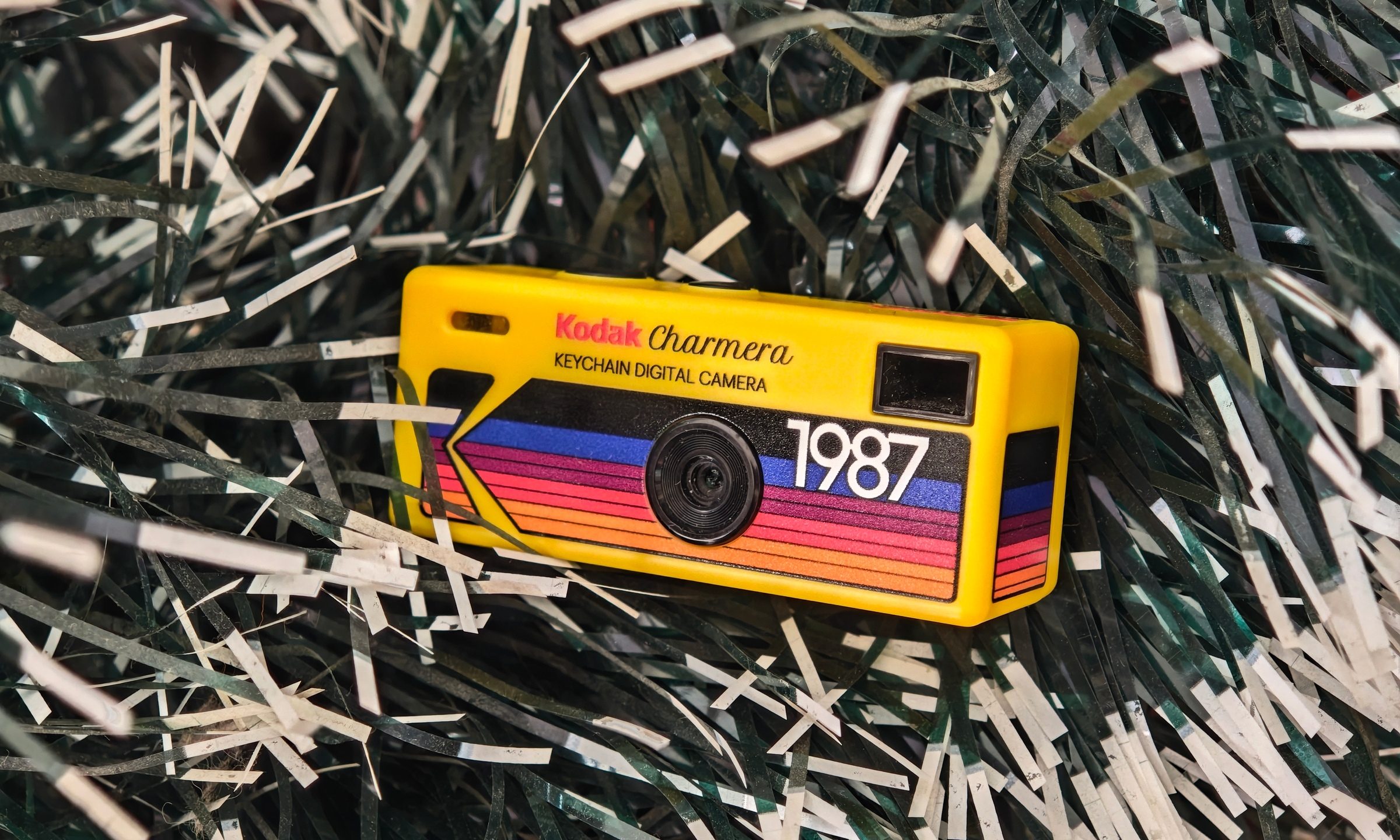
I bought the Kodak Charmera partly because I wanted a portable digital camera, and partly because I wanted a pretty little collectible. The Charmera is sold as a blind box, so you do not know which version you are getting until the box is opened. There are multiple retro Kodak-style designs, plus a transparent secret edition that looks like the one everyone would want.

I had the shopkeeper pick my box for better luck, and it worked out. I got the yellow variant, which is inspired by Kodak's original 80s disposable camera. The transparent one is definitely the fun collector’s piece, but the yellow model feels like the proper Kodak version. It looks like a tiny toy camera that escaped from a souvenir shop, found a keyring, and now hangs around wherever you go.

Read more
This new $30 keychain camera is coming for Kodak Charmera with a flip screen for selfies
Yashica's new camera makes toy photography more fun
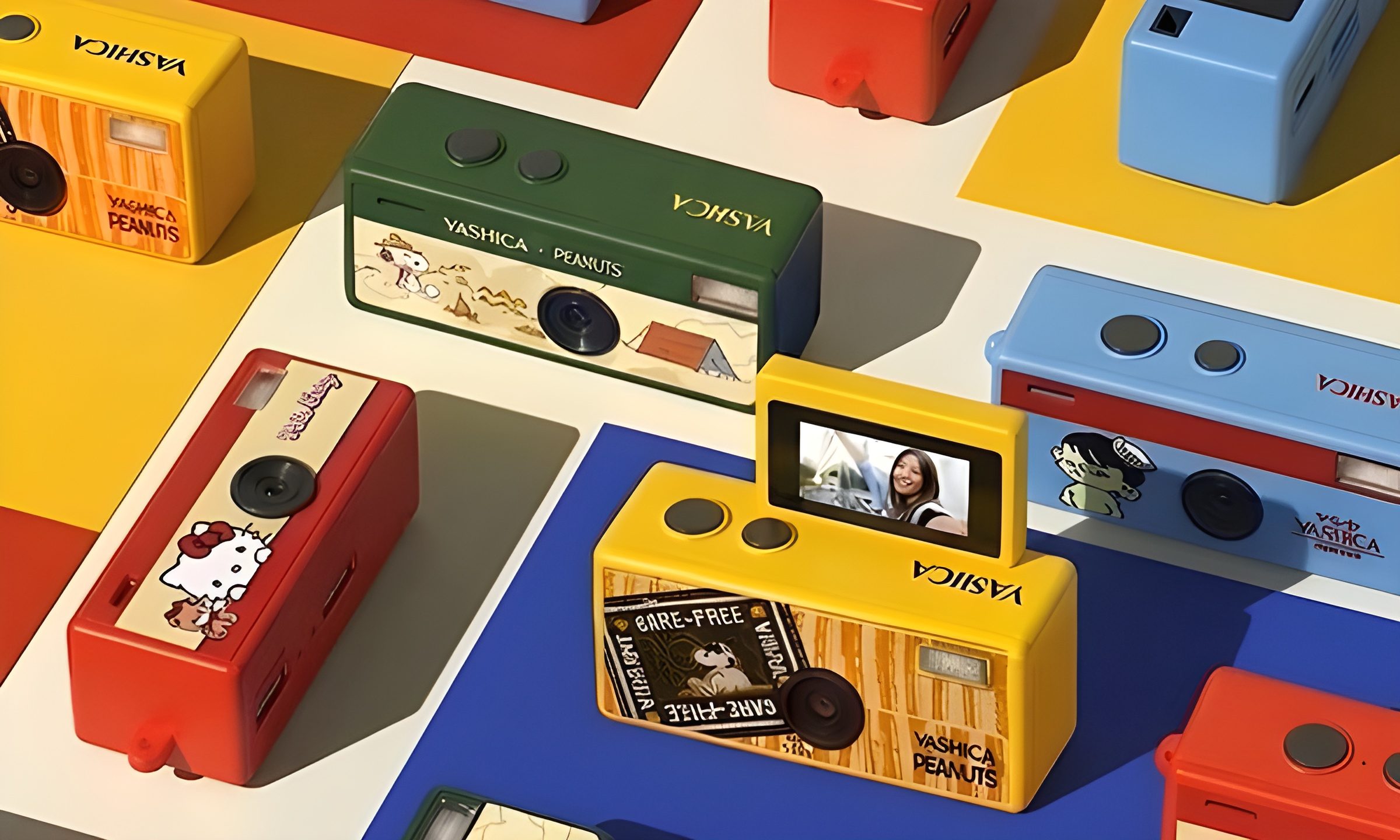
YASHICA Funtastic Keychain Camera in multiple variants

Tiny digital cameras are all the rage, and Yashica is now offering a very cute toy photography experience of its own. The company’s new Funtastic Keychain Camera is exactly what the name suggests, a miniature digital camera small enough to clip onto your keys, bag, or lanyard. The popular Kodak Charmera is the obvious comparison, which brings a tiny blind-box keychain camera that became a viral collectible.

Now, Yashica's version lands in the same novelty-camera lane, but adds one very useful trick, which is a 180-degree flip screen.

Read more