1. Home
  2. Space
  3. Emerging Tech
  4. News

NASA wants astronauts to have 3D printed pizza, and this startup is building a printer to make it happen

Add as a preferred source on Google

An Austin, Texas company, whose founders were commissioned by NASA to develop palatable foods for astronauts’ deep space mission to Mars, has built a device that can 3D-print pizza.

The company –known as BeeHex— boasts that its machine is efficient, clean, and capable of churning out a delicious pizza in less than half the time it takes a typical human chef. The tech is being developed for astronauts, but since NASA’s manned mission to the Red Planet isn’t planned until the 2030s, us Earthbound eaters may be able to enjoy a 3D-printed pizza at theme parks, shopping malls, or concert halls by early 2017.

Recommended Videos

Almost everyone eats pizza, but few of our tastebuds are exactly the same. I like anchovies and pineapples, whereas my partner prefers a simple margherita. To suit our varied tastes, the BeeHex printer connects to a computer that instructs it to use a certain dough, sauce, and cheese combination, which customers can select through a BeeHex app or at the counter of a kiosk. And, for the especially particular among us, BeeHex can even customize the pizza’s shape by analyzing a .jpg file, which will surely keep astronauts entertained on their long haul to Mars.

Like all 3D printers, BeeHex applies ink, layer-by-layer, to make it’s creations. The obvious difference with BeeHex is that, in this case, the “ink” is edible. First, it starts with the size of the pie, which Tech Insider reports can be either 10 or 12 inches. Next, you select either plain, tomato, or gluten-free dough. Then comes the tomato-basil, pesto, or vodka sauce. Finally, mozzarella or burrata cheese top off the pie before it’s slid into a 400 degree pizza oven by the sole person manning the machine.

One of NASA’s priorities is to bring aspects of life on Earth into deep space, where astronauts are otherwise left suspended in a cold and unfamiliar environment. For NASA, the psychological benefits of its astronauts feeling at home is well-worth the investment. BeeHex may first appear at venues near you but, up in space, the technology will offer astronauts the memorable tastes of home – that sure beats conventional space food.

Dyllan Furness
Former Contributor
Dyllan Furness is a freelance writer from Florida. He covers strange science and emerging tech for Digital Trends, focusing…
SpaceX Starship reaches orbit for the first time but its historic flight ends early
Starship reaches orbit for the first time and deploys 26 Starlink satellites before an early splashdown.
spacex-starship

After 13 suborbital test flights and more than $15 billion in development costs, SpaceX's Starship has finally reached orbit. The 407-foot megarocket, the most powerful ever built, lifted off from Starbase, Texas, on Monday and delivered its first real payload on it's 14th attempt. The celebration came with an asterisk, though, since SpaceX had to cut the planned 10-hour mission to roughly three hours.

https://twitter.com/SpaceX/status/2104601695711904180

Read more
Starship is finally going orbital, and SpaceX has picked September 22
Flight 14 is aiming for orbit, Starlink V3 deployment and a very long day in space.
Starship rocket.

SpaceX is finally ready to give Starship its biggest test yet. The company says the massive rocket's 14th test flight is scheduled for September 22, when it will attempt to put the upper stage into Earth orbit for the first time. The launch is currently pending regulatory approval, with a 75-minute window opening at 7:15 a.m. CT.

Starship has 26 Starlink satellites to deliver

Read more
Want a city on the Moon? Scientists say there’s not enough water
A billion tons still comes up short
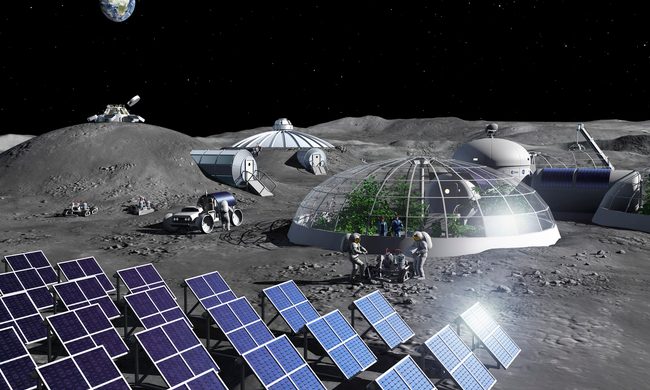
Artist impression of activities in a Moon Base.

For decades, humanity has looked up at the Moon and wondered what it would be like to live on it. Think sprawling cities, factories, research centers, and permanent human settlements. Unfortunately, there is one fairly fundamental problem with that vision.

A new study published in Frontiers in Space Technologies argues that even the Moon's potentially enormous reserves of frozen water may be nowhere near enough to support city-sized populations sustainably. Researchers Martin Elvis and Jonathan McDowell estimate that the permanently shadowed regions near the lunar poles could contain roughly one billion tons of water. It sounds like an extraordinary amount until you put a million thirsty humans next to it.

Read more