It seems Apple’s highly anticipated display upgrades, especially for the Apple Watch, will have to wait a few more years. According to Bloomberg, Apple has shuttered in-house efforts to design and develop microLED panels that would have appeared on its smartwatches — and eventually more products down the road.
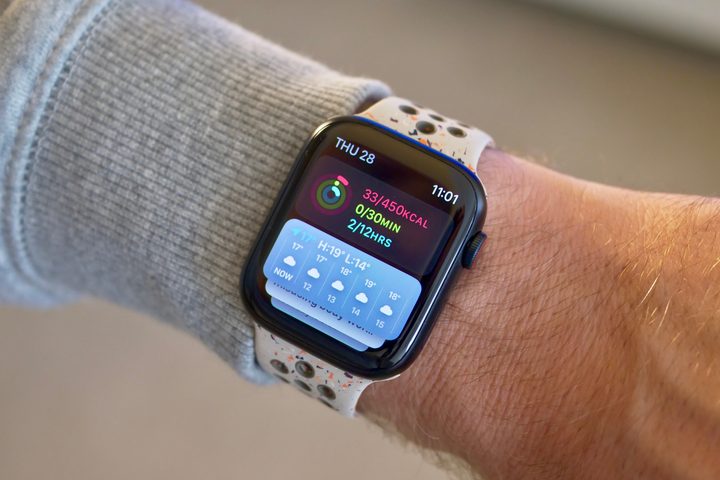
The current-gen Apple smartwatches rely on an OLED panel, but Apple has been eyeing microLED screens for the Apple Watch’s future iterations. These in-house panels, which would have offered “brighter and more vibrant visuals,” were ultimately put on cold ice due to cost and complexity concerns.
The seven-year-long project would have seen Apple have a deeper impact on display development, allowing the company to play a bigger role in designing and customizing microLED panels to its specific quality requirements. Apple will now have to rely on partners like LG to make those display units, and there’s now a delay caveat attached to the microLED deployment efforts.
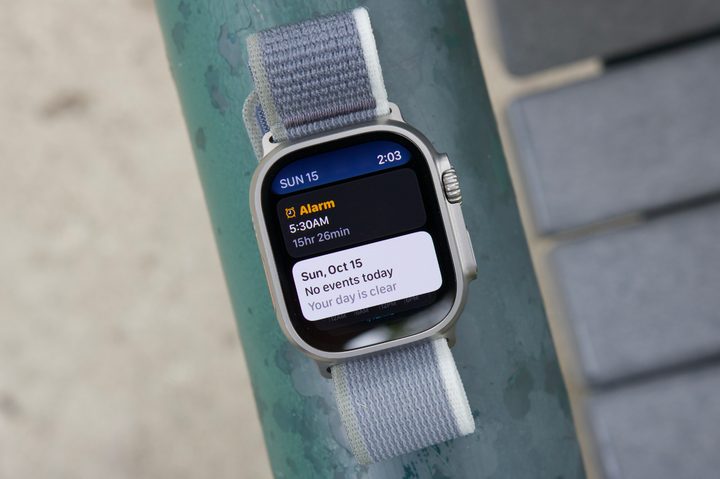
“The company is identifying potential new suppliers and processes that could make the technology a reality in its devices, though that won’t likely happen anytime soon,” says the Bloomberg report. Apple is said to be bullish on microLED as a successor for OLED panels and continues to eye it for a wide range of products, but it will now have to rely on progress at display partners while conducting its own quality checks before mass production goes ahead.
Apple reportedly planned to put microLED panels on its smartwatches as early as 2020 but kept pushing those dates. According to Bloomberg, the most recent goal post was “2025 and beyond.” With microLED development efforts shuttered at Apple, the company will now rely on the innovation and production-readiness of suppliers to move ahead.
The current-gen Apple Watch Series 9 already offers a beautiful OLED screen, but Apple envisioned a handful of standout benefits regarding its jump to microLED screens on the Apple Watch. “The technology uses less power, reproduces colors more accurately, and allows for thinner devices,” adds the report. This was a similar quality jump that we got with the shift from LCD panels to mini-LED screens on “Pro” products across the MacBook and iPad portfolio.
However, the apparent delay for microLED panels on the Apple Watch isn’t all doom and gloom for Apple Watch enthusiasts. “It was going to be a high-end Smart Watch since the microLED panel would cost more than a regular panel, so I don’t think it affects the average buyer,” Ross Young, chief of Display Supply Chain Consultants, tells Digital Trends about the project. “OLEDs continue to get better and better and cheaper, so it will be tough for microLEDs to overtake OLEDs in any major application.”

Moreover, there’s still plenty of innovation lined up for the 10th-generation Apple Watch. For the 10th anniversary edition slated to arrive later this year, leaks point to an improved design and the potential arrival of blood pressure monitoring. Blood glucose level measurement is another marquee feature that Apple is exploring for its smartwatches.
“Apple’s program involved them in coordinating the fabrication of microLED watches with various partners and even implementing their own transfer technology acquired from Luxvue,” Young adds regarding the market status and Apple’s potential moves ahead. “Now, they will wait and see how microLEDs evolve in the smartwatch market and could always buy from another panel supplier in the future like AUO, etc. However, they will not get as deeply involved in the production of microLEDs as they were previously intending to do.”