1. Home
  2. Wearables
  3. Gaming
  4. Mobile
  5. Virtual Reality
  6. News

One year on, Google Cardboard is bigger and better than ever

Add as a preferred source on Google

At the 2014 I/O presentation, Google premiered the Cardboard DIY virtual reality headset. This simple rig, made from materials that could easily be found in any hardware store, could turn any Android smartphone into a quick-and-dirty VR system. Since then, Google’s original design has exploded into a veritable ecosystem of headsets made from inexpensive materials like foam core and pizza boxes, so everyone can join the growing virtual reality party. Google has even teamed up with Mattel to create a VR-powered remake of the classic View-Master. Users have found all sorts of interesting ways to use the platform, such as remote campus tours, art shows, or even a wedding proposal. To date, there are now over one hundred Cardboard VR-compatible apps in the Google Play Store and over one million people using them.

So what does 2015 bring for Google’s populist virtual reality platform? Phones have been getting steadily larger in 2015 with the rise of the so-called “phablets”, so in order to accommodate that Google has released a new Cardboard design which supports screens of up to 6 inches. The magnetic selection button, which previously only functioned with some phones, has been redesigned for universal compatibility with all phones. The overall design has also been substantially simplified, requiring only three easy steps to assemble, instead of the previous twelve.

Recommended Videos

Perhaps the most exciting addition to Cardboard, however, is that the Cardboard SDK for Unity will now be compatible with iOS in addition to Android. This opens up the platform for a whole swath of new users who prefer Apple’s phones. When anyone with a smartphone can cheaply and easily turn it into a virtual reality headset, is this the tipping point for VR’s long-foretold ubiquity?

Will Fulton
Former Staff Writer, Gaming
Will Fulton is a New York-based writer and theater-maker. In 2011 he co-founded mythic theater company AntiMatter Collective…
Google could soon let you unlock your Pixel Watch with your phone
An in-development feature could flip the current Watch Unlock feature, letting an authenticated phone unlock the watch automatically.
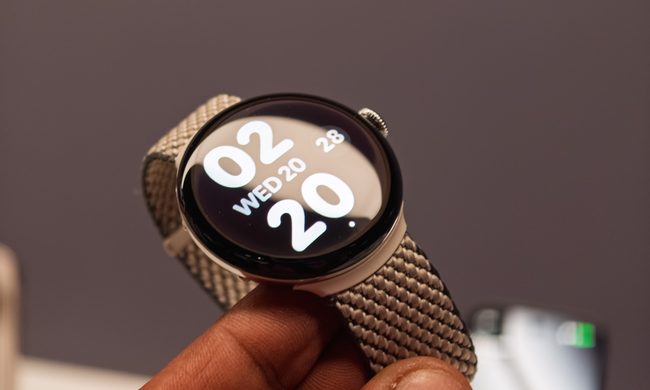
Google Pixel Watch 4 in black in the hand

If you've set up a PIN on your Pixel Watch, you already know the prompt that shows up every time you slip it back on your wrist. It's a useful security measure, but entering a PIN on that small screen multiple times a day gets old fast. A new report suggests Google may be working on a way to let you skip it.

Watch Unlock in reverse

Read more
A new iPhone app can sniff out Meta smart glasses lurking nearby
Your iPhone can now keep an eye on the glasses keeping an eye on you
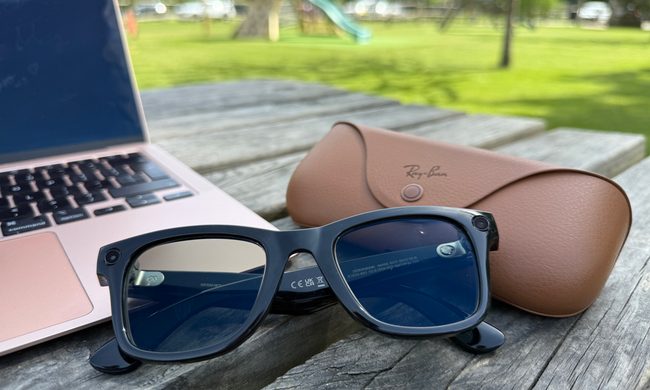
The Ray-Ban Meta smartglasses and case.

Android users got an unusual privacy tool earlier this year that could alert them when smart glasses were nearby. Five months later, iPhone owners finally have something similar, and its name makes its feelings about Meta pretty obvious.

AntiZuck is a $2.99 iPhone app that scans for Bluetooth signals associated with smart glasses and alerts you when it thinks one is close. It supports devices including Meta Ray-Bans, Snap Spectacles, Amazon Echo Frames, and RayNeo glasses, while the developer says additional hardware is being added.

Read more
Apple’s smartwatches will look the same for at least another year, or two
Apple's Series 12 and Ultra 4 are reportedly skipping a redesign this year, leaving chip upgrades and health tracking to carry the entire generation.
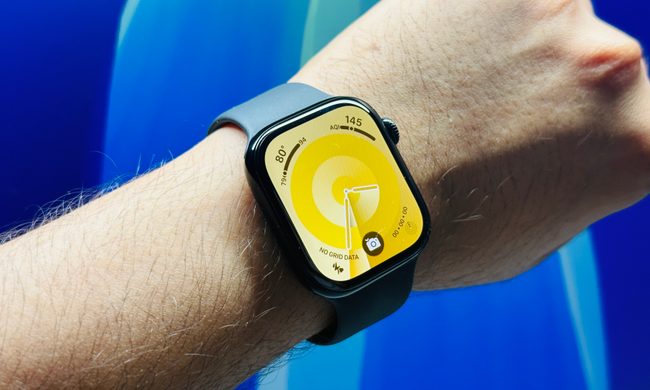
Apple Watch Series 11 on home screen.

For the last few years, every single Apple Watch has looked identical to the last. The Apple Watch Series 11 shared its dimensions and looks with the Watch 10, and the Watch 10 with the Watch 9. Turns out that streak might not break in 2026 either.

So what's actually changing this year?

Read more