1. Home
  2. Wearables
  3. Mobile
  4. News

Google rolls out pulse loss detection to Pixel Watch 3 users

Add as a preferred source on Google
Pulse detect on Pixel watch 3
Google

Google has begun rolling out its Loss of Pulse Detection feature to Pixel Watch 3 owners in the United States. This potentially life-saving feature uses the watch’s optical heart rate sensors to detect if the wearer’s pulse ceases at any point. That can include instances like cardiac arrest or other heart-related abnormalities. When these issues are detected, the watch can automatically contact emergency services should the wearer become unresponsive. The rollout is gradual, with availability expected to reach all users over the next few weeks.

Initially announced alongside the Pixel Watch 3 in August 2024, the feature was already available in several European countries. However, its US debut required clearance from the Food and Drug Administration (FDA) before being released which was granted in late February 2025. Now that it’s headed out to new and old Pixel Watch 3 owners, now might be a good time to invest in one should be looking for an alternative to the smartwatch you might currently be wearing.

Recommended Videos

To keep this feature reliable and minimize false alarms, Google spent quite some time on extensive testing, analyzing over 100,000 hours of data to tweak and adjust things to its satisfaction. The company also published a peer-reviewed study in Nature detailing its long-term development and efficacy.

Wearers will see a prompt on their Pixel Watch 3 to opt into the Loss of Pulse Detection feature. Once enabled, the watch will monitor their heart rate and initiate emergency protocols if a loss of pulse is detected and the wearer does not respond over a period of time.

For those interested in picking up the Pixel Watch 3 with this advanced health monitoring capability, new and current devices will be eligible to receive the update. It could be a boon for anyone with potential heart issues that may or may not have been diagnosed yet, but it’s also just a good feature to have around in general.

Brittany Vincent
Former Contributor
Brittany Vincent has covered gaming, anime, tech, and entertainment for over a decade. When she’s not writing, she’s…
This smart ring makes a blood pressure promise Apple and Oura still won’t
The $399 Signal Ring provides actual systolic and diastolic readings, but it’s launching as a wellness device without FDA clearance
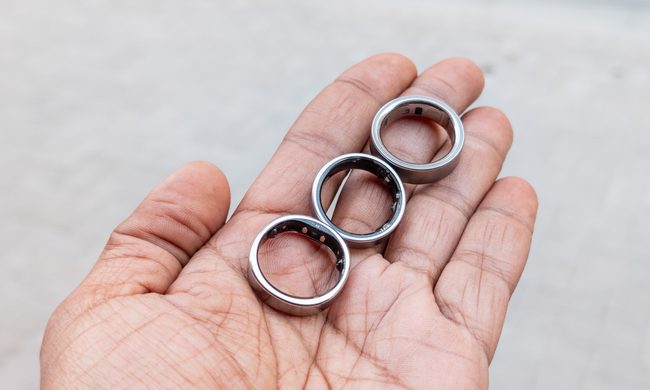
Oura Ring 4, Galaxy Ring and RingConn Gen 2 in the palm of a hand

Vital Signals has unveiled a $399 smart ring that goes further than Apple and Oura currently dare. The Signal Ring displays numerical blood pressure readings without requiring an arm cuff for initial or recurring calibration.

Bloomberg reports that preorders open July 16, with shipping scheduled to begin in October. The ring can collect readings during the day and overnight, then display the results through an iOS or Android app.

Read more
HTC’s smart glasses are apparently coming to the US, but HTC hasn’t said so
Amazon briefly listed the VIVE Eagle for a September 1 launch, while HTC still says the $499 glasses are only available in Taiwan
A woman wearing the HTC Vive Eagle smart glasses

HTC’s VIVE Eagle smart glasses could finally be heading to the US. Apparently, Amazon got the memo before HTC was ready to share it.

Notebookcheck spotted six versions available for preorder at $499, each carrying a September 1 release date. Amazon has since pulled the pages, so new orders are closed and anyone who already placed one is left wondering whether it still counts.

Read more
Don’t expect smartwatches and fitness bands with replaceable batteries anytime soon
Turns out even the EU thinks your smartwatch is too small for a battery swap.
Wristwatch, Arm, Body Part

The EU has a habit of pushing tech companies to adopt meaningful changes in their product. It's the reason your iPhone finally has a USB-C port, and it's also why companies now have to offer spare parts and repair support for electronics for several years after launch. So naturally, many of us assumed wearables were next in line for mandatory swappable batteries. Turns out, the EU just went the other way.

So what did the EU announce?

Read more