1. Home
  2. Wearables
  3. Mobile
  4. Legacy Archives

Fashionable smart ring Ringly gets a new, trendier design for the winter

Add as a preferred source on Google

Back in June, New York-based startup Ringly released a range of smartphone connected rings, designed specifically to appeal to female tech fans, who want the convenience of a smartwatch, without the masculine or sporty looks. Now, in keeping with its fashion roots, the company has announced its Winter Collection for 2014. It’s a new design named Dive Bar, and it shifts from 18K matte gold to coming in a rhodium plated finish and featuring a tourmalated quartz stone.

Described as edgier than the classic designs seen earlier this year, it certainly looks more trendy, but the functionality seems to be the same. It connects to your phone using Bluetooth and will vibrate and light up when a call comes in, or on the arrival of a new message. It will also integrate with your phone’s calendar to alert you of new events. Alerts can be customized using the specially made app, which is available for both iOS and Android.

Recommended Videos

Without a screen, the Ringly ring can’t match the functionality of a smartwatch, but it will keep you informed of what’s going on when the phone’s hidden away in a bag. It’s also considerably more subtle than the majority of smartphone connected wearables, which are almost solely aimed at men.

The Dive Bar Ringly ring has a price of $195, and is scheduled for delivery in the next few months, although the company is vague on the date; it may not come out until early next year. If you pre-order any of the current Fall Collection rings before September 1, then they’re down from $195 to $145. You can place an order though the firm’s website.

Andy Boxall
Andy has written about mobile technology for almost a decade. From 2G to 5G and smartphone to smartwatch, Andy knows tech.
Topics
Qualcomm is set to ratchet up chip prices in September, and your next gadget upgrade could bear the brunt
The price hike could touch every Snapdragon-powered device category.
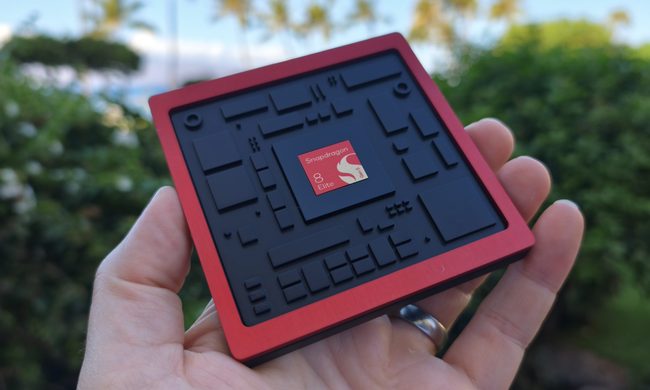
The new Qualcomm Snadragon 8 Elite Gen 5

I want you to sit with this for a second. Qualcomm, the company whose Snapdragon chips sit inside your Android phone and tablet, your Windows laptop, your Meta smart glasses, your Galaxy Watch, and your wireless earbuds, reportedly sent a letter to every major customer telling them prices are going up by double digits. 

The price hike will be in effect from September 1, 2026, a recent Bloomberg report claims. Essentially, all the companies placing their chip orders after that will pay a higher price. 

Read more
Slacked off all summer? Here are 3 fitness trackers that’ll help you stay accountable as you head back to school
Three trackers, three price points, three totally different approaches to keeping you honest about your own goals.
A person wearing the Whoop 5.0.

Summer break did what it usually does. Your sleep schedule drifted, workouts happened less often than you'd hoped, and by the time August rolled around, you were feeling it. You've got a plan to get back on track once the school year starts and your days have more structure, but you know how that usually goes. The first two weeks are solid, then the routine quietly slips.

A fitness tracker won't get you off your couch. What it will do is put a number in front of you every day, one that makes it obvious whether you stuck to your goal or slacked off. That small bit of visibility is often the difference between meaning to work out and actually doing it. Back-to-school season is a good time to buy in, since you're already resetting more than one part of your routine, and the overlap makes the habit more likely to stick. To keep the odds in your favor, here are three fitness trackers that can help you stay accountable and actually hit your goals.

Read more
Galaxy Watch 9 vs. Watch Series 11: Has Apple finally met its smartwatch match?
From AI-powered health coaching to outdoor fitness tracking, here's how Samsung's Galaxy Watch 9 stacks up against Apple's Watch Series 11.
Wristwatch, Arm, Body Part

These days, the real battleground between smartwatches is who can turn a wrist-worn, sensor-loaded device into something that resembles a personal fitness trainer, and this year's crop of flagship wearables takes that fight more seriously than ever. 

Samsung just refreshed its mainstream Galaxy Watch line with a new silicon and a batch of clinically-backed health tools, landing squarely on Apple's home turf of preventive wellness tracking. Apple, for its part, has spent the better part of a year letting its Series 11 sit as the reigning pick for anyone inside its ecosystem, propped up by a software catalog few rivals match feature-for-feature. 

Read more