1. Home
  2. Emerging Tech
  3. News

Hobby drones halt firefighting efforts in California

Add as a preferred source on Google

We need to talk about amateur drone pilots. Emergency workers tackling wildfires in San Bernardino County, California, were forced to halt air operations for 20 minutes after five hobby drones were spotted in the area. Presumably they were being operated by drone enthusiasts looking to get dramatic pictures of the blaze.

No lives were lost as firefighters tackled the blaze on Interstate 15, leading from Los Angeles to Las Vegas, but water drops were put on hold until the area was clear. Officials say the use of drones is on the rise and they pose “a major safety threat” to those tackling the fire: “When a hobby drone is flown into a fire area, incident commanders have no choice but to suspend air operations and ground aircraft until the drone is removed.”

Recommended Videos

“Fortunately, there were no injuries or fatalities to report, but the 15 to 20 minutes that those helicopters were grounded meant that 15 to 20 minutes were lost that could have led to another water drop cycle, and that would have created a much safer environment and we would not have seen as many citizens running for their lives,” San Bernardino County Fire Department spokesman Eric Sherwin told CNN.

Fire chiefs took the opportunity to repeat warnings about the Temporary Flight Restrictions (TFRs) that accompany most wildfires. Eventually, the drones left and firefighting efforts could continue. No attempt has been made to confiscate the drones or identify the pilots using them: “Our focus was on fighting the fire,” says Sherwin.

The FAA is still mulling over commercial legislation for drone use but as far as hobbyists go, you should be flying your drone below 400 feet and keeping it in sight at all times. In addition, you should “not interfere with manned aircraft operations” and stay well away from airports. Despite this code of conduct we’re seeing an increasing number of problems as compact drones become cheaper and more popular.

[Image courtesy of San Bernardino County Fire Department]

David Nield
Former Contributor
Dave is a freelance journalist from Manchester in the north-west of England. He's been writing about technology since the…
Yet another study says AI is bad for elections, and the rabbit hole gets worse
AI may be an election bomb waiting for someone to light the fuse
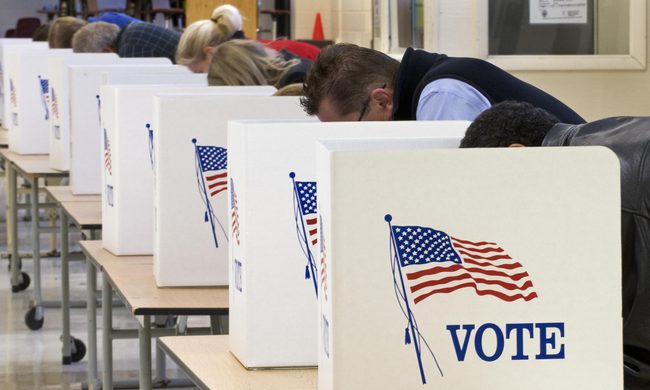
Voters cast their ballots on Election Day

Another election, another study has concluded that asking an AI chatbot for political guidance is a spectacularly bad idea. Research conducted during Hungary’s 2026 parliamentary election found that ChatGPT and Google Gemini offered not just inaccurate but also inconsistent and unreliable voting advice. The chatbots misclassified voter profiles, overlooked relevant parties, recommended parties absent from the ballot, and sometimes produced materially different answers when given the same information repeatedly.

AI keeps failing the voter test

Read more
Samsung’s humanoid robot ambitions are real, but factories come first
Samsung’s new robotics division has humanoids in its sights, although its immediate business is far more practical factory automation
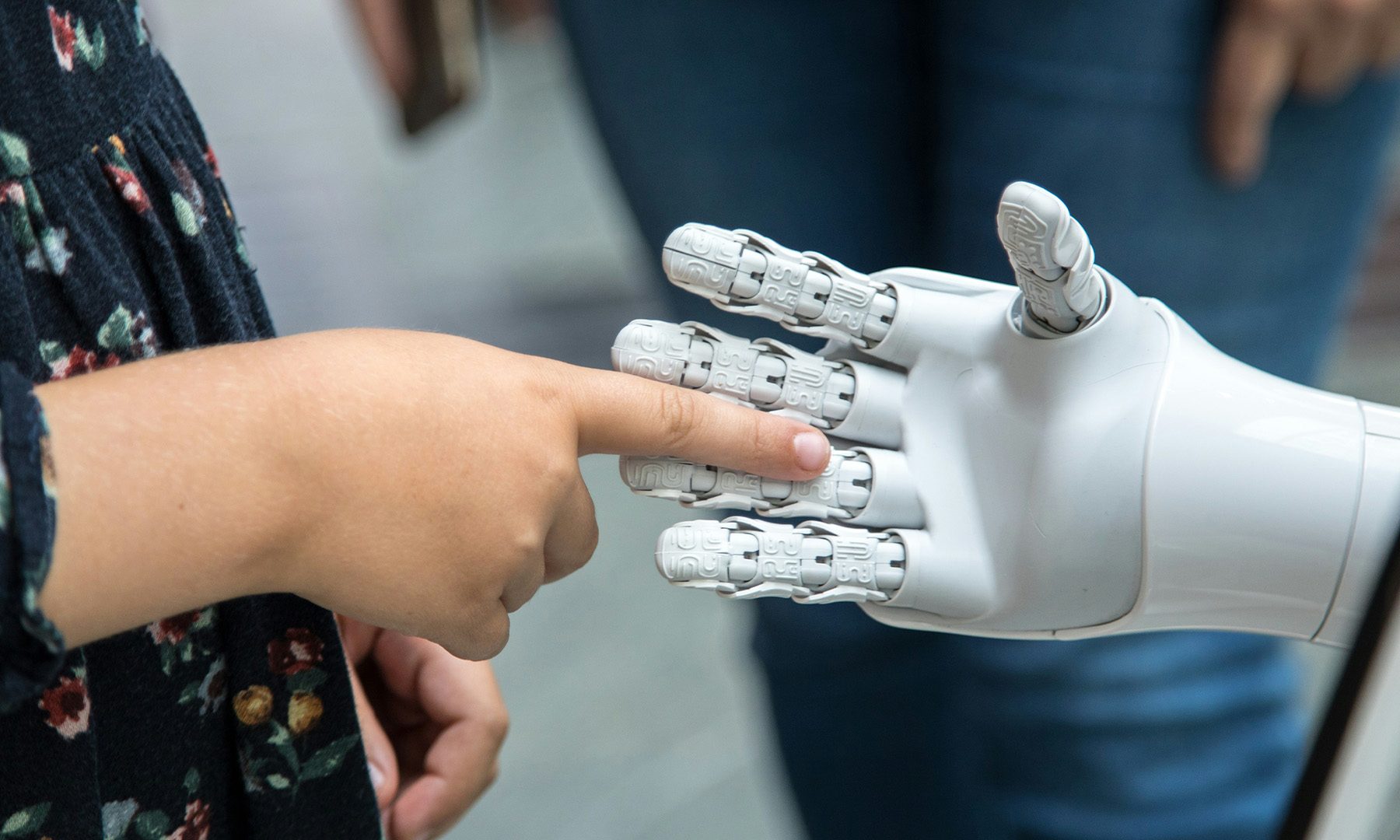
Robot Touch Human Finger

Samsung wants a place in the humanoid race, but its new robotics push begins with machines built for factories rather than homes.

The CEO-led RX robotics division will initially focus on manufacturing robots. Samsung has separately identified humanoids as a priority, although it hasn’t announced a commercial model or explained where one fits into the division’s immediate plans.

Read more
The future of AI may depend on this one behind-the-scenes change
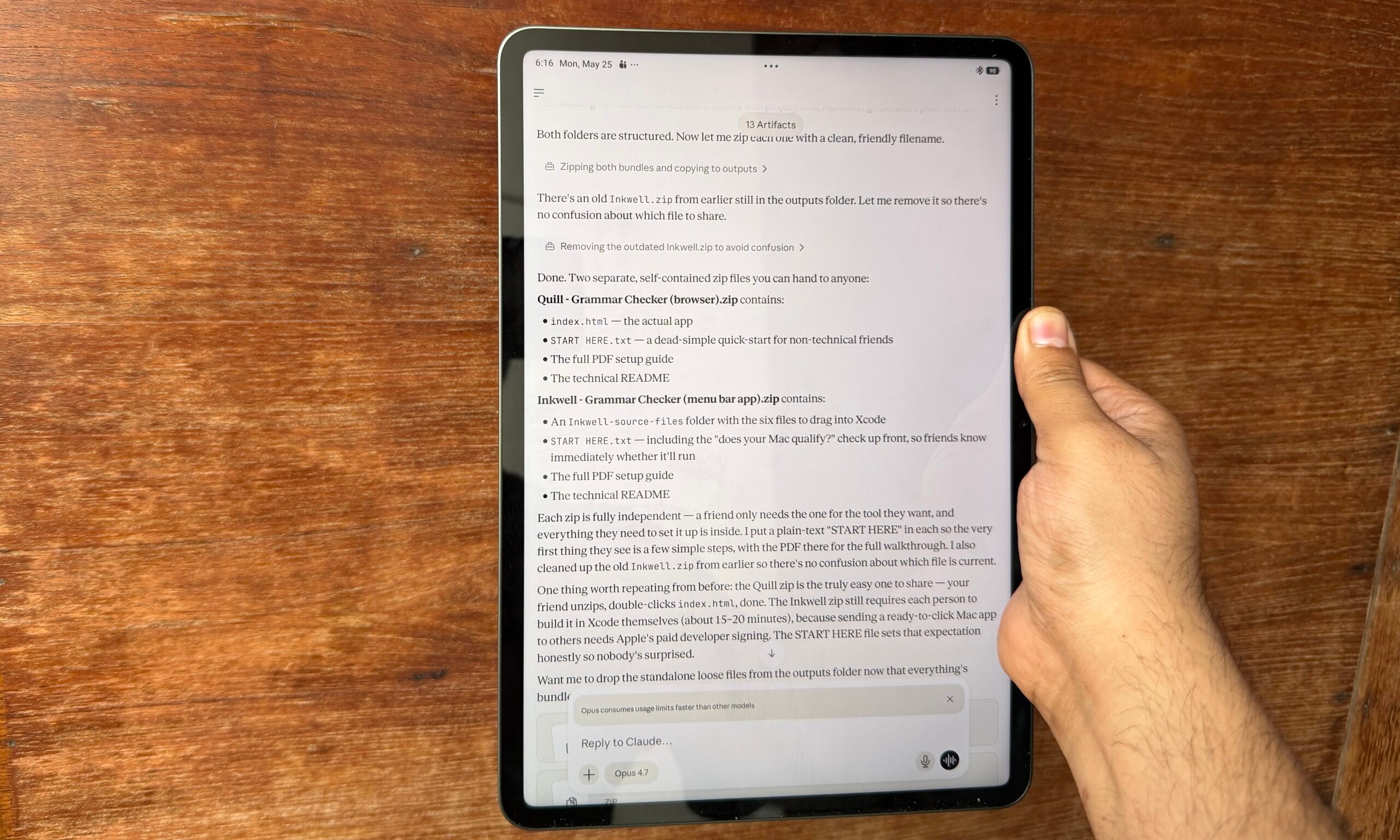
Running Claude on Android.

Whenever a new AI model arrives, it's easy to get caught up in the bells and whistles. We talk about how much smarter it is, how quickly it answers questions, or how realistic its images have become. But here's the thing: none of that matters much if the AI can't reliably work with the apps and services people use every day.

That's why an upcoming update to the Model Context Protocol (MCP) caught my attention. It isn't a new chatbot or a fancy AI model. In fact, most people will never even know it's happening. But it could quietly make the AI ecosystem a lot healthier. If you've never heard of MCP before, don't worry. Think of it as a shared language that lets AI assistants safely talk to apps like Gmail, Slack, calendars, databases, and countless other services. Instead of every company inventing its own way to make those connections, MCP gives everyone a common rulebook.

Read more