1. Home
  2. Emerging Tech
  3. News

NASA is taking a closer look at the ocean with a giant laser in the sky

Add as a preferred source on Google

A giant laser in the sky is helping us better understand our oceans. It’s known as the Cloud-Aerosol Lidar with Orthogonal Polarization (CALIOP), and it’s a NASA instrument housed aboard the Cloud-Aerosol Lidar and Infrared Pathfinder Satellite Observation (CALIPSO) satellite launched a decade ago in 2006. Using a laser, the CALIOP has been helping scientists monitor plankton in polar regions for the last nine years.

“CALIOP was a game changer in our thinking about ocean remote sensing from space,” said Chris Hostetler, a research scientist at NASA’s Langley Research Center. “We were able to study the workings of the high-latitude ocean ecosystem during times of year when we were previously completely blind.”

Recommended Videos

Before the CALIOP era, the space agency was only able to keep tabs on plankton levels when the sun was cooperating. But because the Lidar-based system doesn’t actually need sunlight or any other external light source to monitor plankton, it’s capable of collecting data at all times of the day and night, and through different weather conditions, too.

And now, NASA scientists have made a new discovery regarding plankton, specifically that “small, environmental changes in polar food webs significantly influence the boom-and-bust, or peak and decline, cycles of phytoplankton.” This, the space agency team says, could be instrumental in helping humans better understand the interactions between Earth’s climate and key ocean ecosystems.

“It’s really important for us to understand what controls these boom-and-bust cycles, and how they might change in the future so we can better evaluate the implications on all other parts of the food web,” said Michael Behrenfeld, a marine plankton expert at Oregon State University in Corvallis.

Moving forward, NASA hopes to better leverage lidar technology, which could help scientists more accurately measure the distribution of plankton. Having this sort of information, NASA says, is “critical for understanding cycling of ocean carbon, and for determining and managing the health of global ocean ecosystems.”

Lulu Chang
Fascinated by the effects of technology on human interaction, Lulu believes that if her parents can use your new app…
Samsung’s humanoid robot ambitions are real, but factories come first
Samsung’s new robotics division has humanoids in its sights, although its immediate business is far more practical factory automation
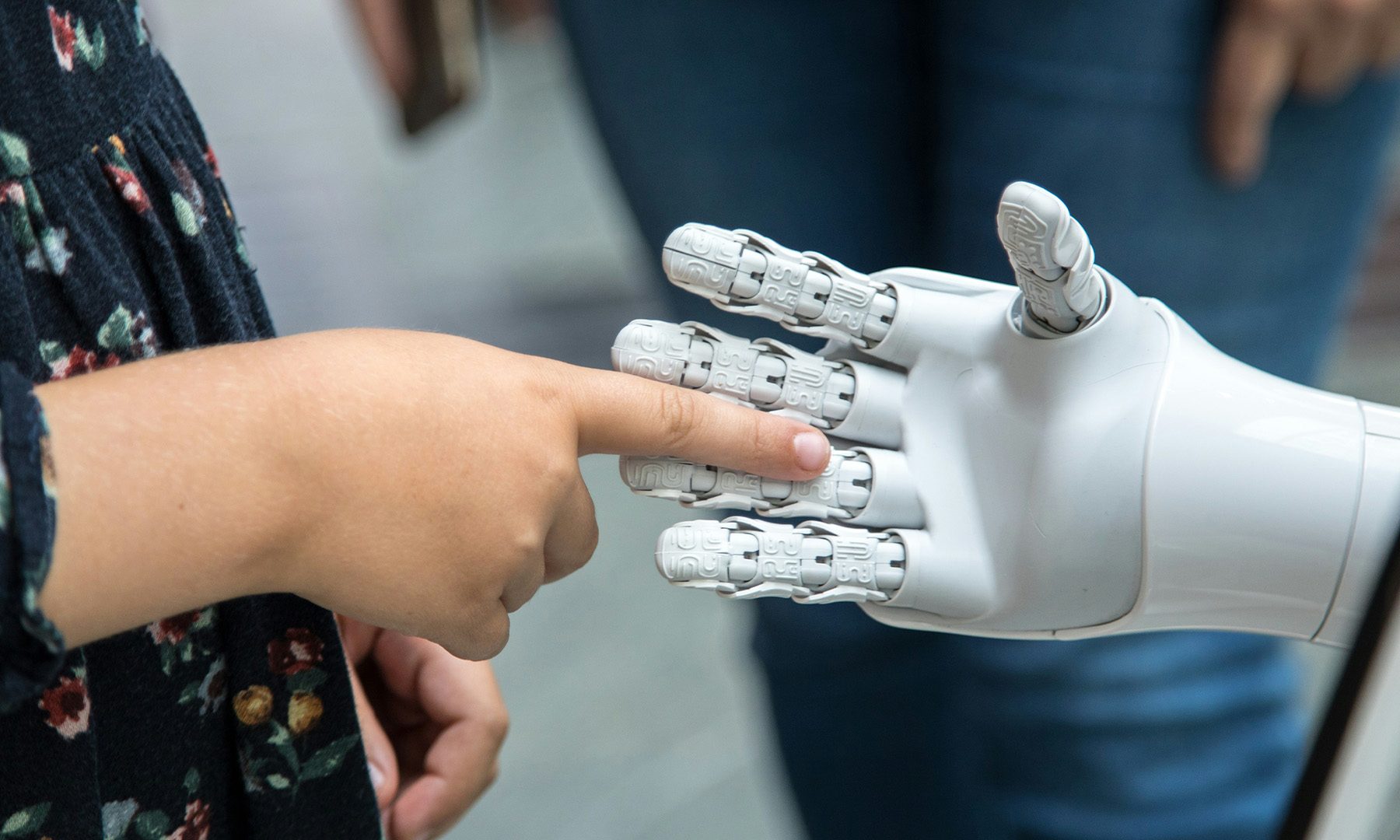
Robot Touch Human Finger

Samsung wants a place in the humanoid race, but its new robotics push begins with machines built for factories rather than homes.

The CEO-led RX robotics division will initially focus on manufacturing robots. Samsung has separately identified humanoids as a priority, although it hasn’t announced a commercial model or explained where one fits into the division’s immediate plans.

Read more
The future of AI may depend on this one behind-the-scenes change
Running Claude on Android.

Whenever a new AI model arrives, it's easy to get caught up in the bells and whistles. We talk about how much smarter it is, how quickly it answers questions, or how realistic its images have become. But here's the thing: none of that matters much if the AI can't reliably work with the apps and services people use every day.

That's why an upcoming update to the Model Context Protocol (MCP) caught my attention. It isn't a new chatbot or a fancy AI model. In fact, most people will never even know it's happening. But it could quietly make the AI ecosystem a lot healthier. If you've never heard of MCP before, don't worry. Think of it as a shared language that lets AI assistants safely talk to apps like Gmail, Slack, calendars, databases, and countless other services. Instead of every company inventing its own way to make those connections, MCP gives everyone a common rulebook.

Read more
The AI game-dev boom has a dark side: fewer jobs for the people starting out
Solo creators are thriving with tools like Claude Code and Copilot, but entry-level game roles are disappearing.
Man playing a video game on a desktop with glowing red and blue lights

AI is making it easier than ever for a single person to build a game. That sounds like a win for creativity, and in many ways, it absolutely is. But there is a catch. As generative AI tools help solo developers and small studios do more with fewer people, the same shift is making life tougher for writers, artists, concept creators, and junior programmers trying to break into the gaming industry.

AI is giving solo developers superpowers

Read more