1. Home
  2. Emerging Tech
  3. News

Who says drones have to be land- or air-based? Norway is testing autonomous boats

Add as a preferred source on Google

Autonomous cars are all the rage these days, but autonomous boats? While automobiles are certainly among the most popular forms of transportation, they’re not the only form. As we’ve begun to normalize the notion of a driverless future, other methods of transportation are looking to adopt the same concept. In Norway’s Trondheim Fjord, you can now find a testing site for water-based drones. Because land and air-faring machinery shouldn’t be the only ones having autonomous fun, right?

Despite officially opening late in 2016, it’s taken a while for business, which is to say testing, to pick up. But now, companies like Kongsberg Seatex, Marintek, Maritime Robotics, and Rolls-Royce Marine are all on-site to start putting their robotic and self-driving technologies to the open water.

Recommended Videos

Thus far, the fjord has seen tests for a variety of purposes, including navigation, collision avoidance systems, operational safety, and risk management projects. And as these tests continue, we may be drawing nearer and nearer to a human-less shipping industry, as large boats find their way across the ocean without the need for a crew. Perhaps this could even mean the automation of the fishing industry, or a whole host of other sea-based activities.

“As far as we know, there are no such test sites of this kind in the world so the Norwegian Coastal Authorities are taking the lead in a changing maritime world,” Kongsberg Seatex President Gard Ueland said last year upon the site’s opening, reports Engadget. “We will also see technology that has the potential to enable fully autonomous cargo vessels. Much of this will come from Trondheim, thanks to the unmatched maritime expertise here and our autonomous vehicles test bed.”

So get ready friends. Remote-controlled ships may soon no longer be toys that you sail in the park. Rather, they could be the transport that gets us from one country’s coast to another.


Lulu Chang
Fascinated by the effects of technology on human interaction, Lulu believes that if her parents can use your new app…
Yet another study says AI is bad for elections, and the rabbit hole gets worse
AI may be an election bomb waiting for someone to light the fuse
Voters cast their ballots on Election Day

Another election, another study has concluded that asking an AI chatbot for political guidance is a spectacularly bad idea. Research conducted during Hungary’s 2026 parliamentary election found that ChatGPT and Google Gemini offered not just inaccurate but also inconsistent and unreliable voting advice. The chatbots misclassified voter profiles, overlooked relevant parties, recommended parties absent from the ballot, and sometimes produced materially different answers when given the same information repeatedly.

AI keeps failing the voter test

Read more
Samsung’s humanoid robot ambitions are real, but factories come first
Samsung’s new robotics division has humanoids in its sights, although its immediate business is far more practical factory automation
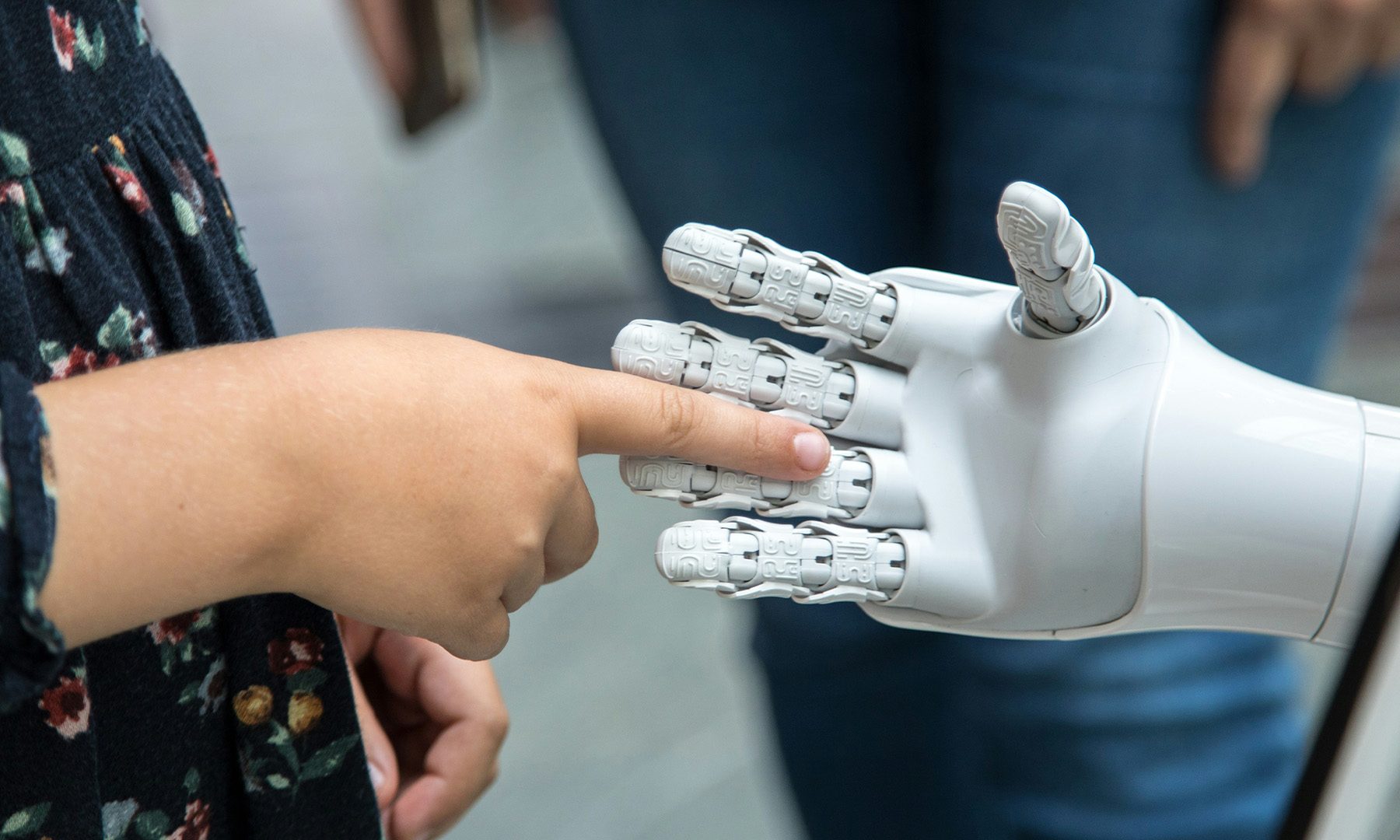
Robot Touch Human Finger

Samsung wants a place in the humanoid race, but its new robotics push begins with machines built for factories rather than homes.

The CEO-led RX robotics division will initially focus on manufacturing robots. Samsung has separately identified humanoids as a priority, although it hasn’t announced a commercial model or explained where one fits into the division’s immediate plans.

Read more
The future of AI may depend on this one behind-the-scenes change
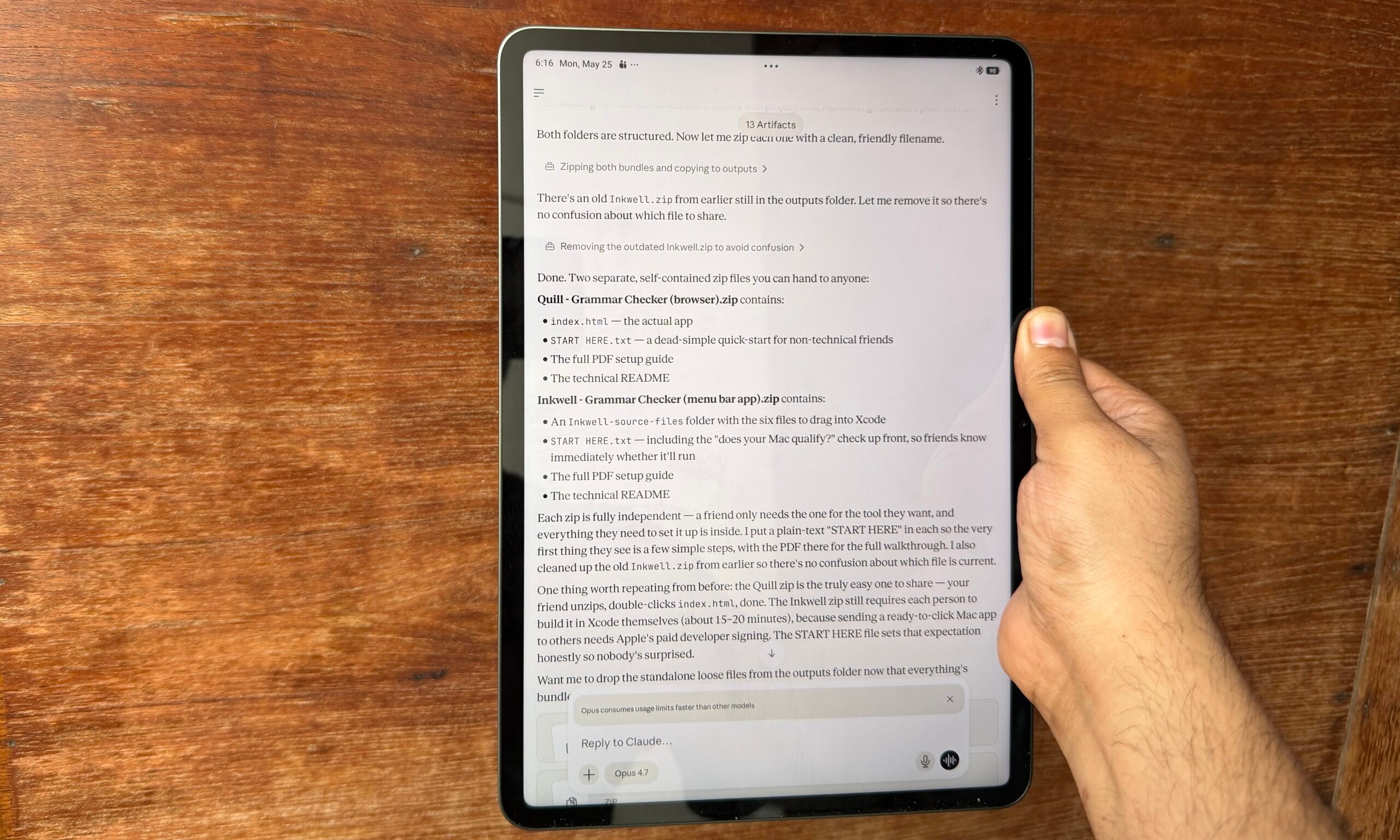
Running Claude on Android.

Whenever a new AI model arrives, it's easy to get caught up in the bells and whistles. We talk about how much smarter it is, how quickly it answers questions, or how realistic its images have become. But here's the thing: none of that matters much if the AI can't reliably work with the apps and services people use every day.

That's why an upcoming update to the Model Context Protocol (MCP) caught my attention. It isn't a new chatbot or a fancy AI model. In fact, most people will never even know it's happening. But it could quietly make the AI ecosystem a lot healthier. If you've never heard of MCP before, don't worry. Think of it as a shared language that lets AI assistants safely talk to apps like Gmail, Slack, calendars, databases, and countless other services. Instead of every company inventing its own way to make those connections, MCP gives everyone a common rulebook.

Read more