- Home
- Amazon
Amazon
Whether you’ve got an Alexa speaker in your home or you’re just a fan of two-day shipping, chances are Amazon is involved in your life somehow. The company has come a long way since its days as a mere bookseller, becoming one of the titans of tech, and we’ve got all the Amazon news, reviews, deals, and more.
Explore More
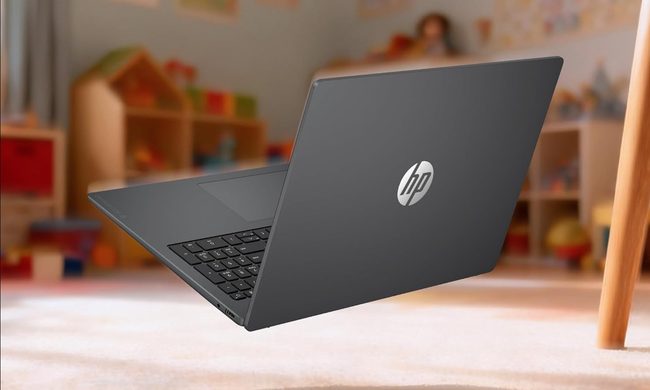
I found 2 Prime Day budget laptop deals that make sense for students, work, and everyday use
Prime Day has dropped prices on two budget Windows laptops from ASUS and HP that make sense for work, school, and everyday use.








You don’t need to overpay for a premium Android tablet with this Galaxy Tab S11 deal
Samsung’s Galaxy Tab S11 gets a Prime Day price cut, making its AMOLED screen, slim design, and included S Pen much easier to justify for Android tablet shoppers right now.
Prime Day cuts the Sony WH-1000XM5 to under $200, and I think it’s worth every penny
The Sony WH-1000XM5 has fallen to a record-low $198 for Prime Day, saving you more than $200 on one of the best noise-canceling headphones out there.

The Galaxy Watch 8 at $218 is the Prime Day smartwatch deal I’d recommend to most people
The Galaxy Watch 8 has fallen to a record-low $218.49 for Prime Day, saving you more than $130 on Samsung's latest smartwatch.

The Pixel 10 Pro at $684 is the best Prime Day phone deal I’ve seen, and it’s hard to find better value right now
The Pixel 10 Pro is down to just $684 for Prime Day, a massive $315 discount that brings the flagship phone to its lowest price yet.

I found the Prime Day TV deals that are picture-perfect, and skipped the blurry bargains
Whether you want a flagship OLED with perfect blacks or a budget Mini-LED that punches above its weight, Prime Day has a TV deal for you. Here are the five best, picked so you can skip the scrolling.
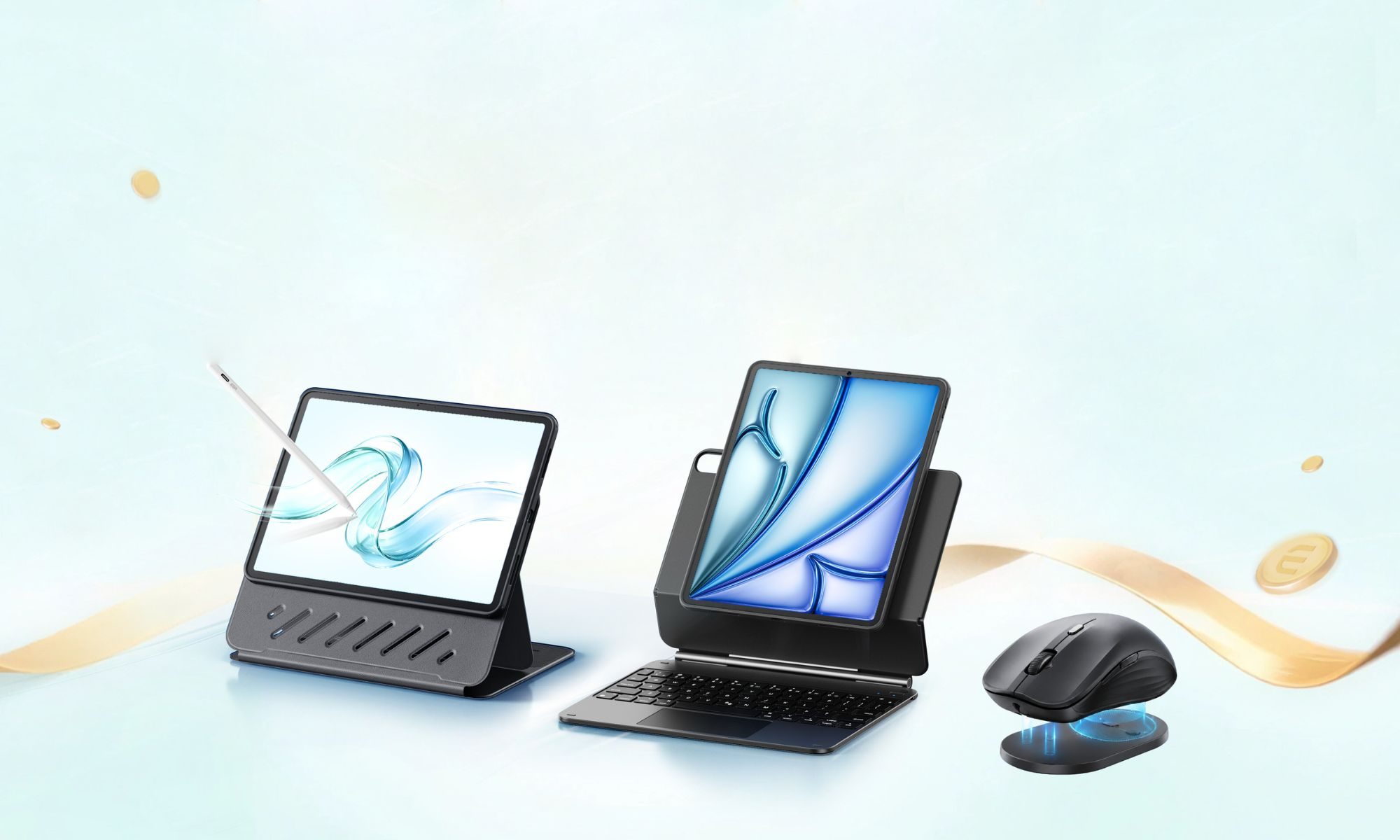

You can save big with these gaming monitor deals on Prime Day right now
Prime Day brings major discounts on gaming monitors, from budget QHD panels to flagship 4K OLED displays with steep price cuts.

I use portable chargers all year, and these are the 5 Prime Day power bank deals worth buying
Not every Prime Day power bank deal is worth buying. I shortlisted five portable chargers that offer the best mix of reliability, portability, and real-world usefulness.
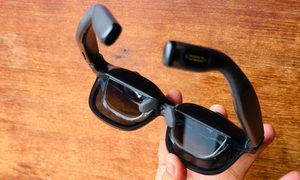
I wouldn’t buy most Prime Day smart glasses, but these 4 are worth shortlisting
The smart glasses market is growing quickly, but not every deal deserves your attention. Here are four Prime Day picks that balance innovation, comfort, and practical features.
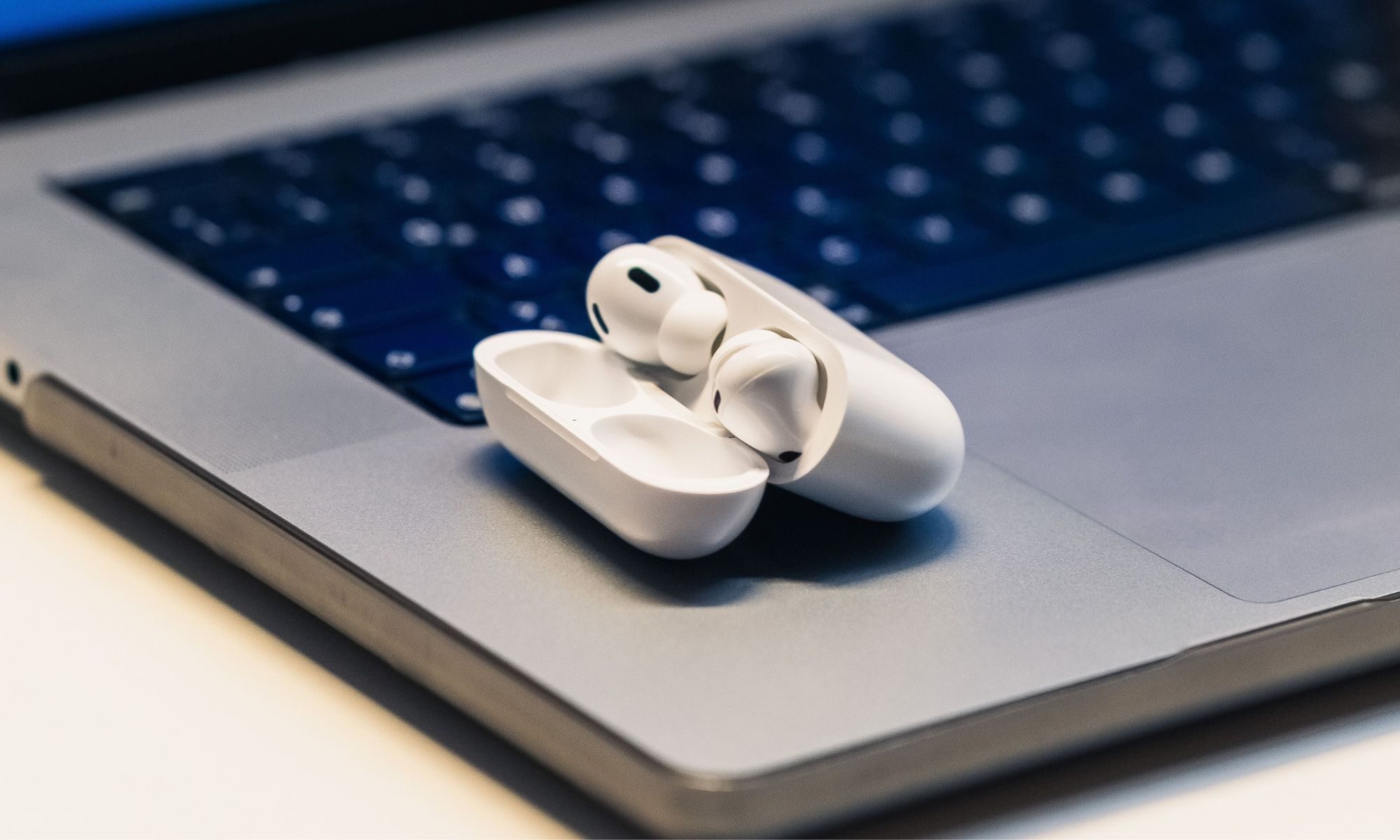
These are the best Prime Day earbud deals I highly recommend to shoppers
These tested earbuds across every budget are seeing real Prime Day discounts, from premium AirPods and Pixel Buds to budget friendly Nothing and Beats options.
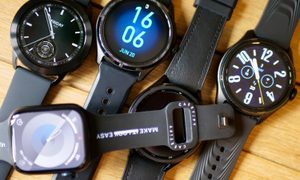
I dug through Prime Day’s smartwatch deals so you don’t have to, and these are the winners
The best Prime Day 2026 smartwatch deals include all-time-low prices on the Galaxy Watch Ultra, Pixel Watch 4, Apple Watch Series 11, and more.

These are the best Prime Day deals on health wearables that I’d recommend before they sell out
Prime Day has dropped prices on some of the best health wearables, including Fitbit trackers, Oura Ring 4, Apple Watch Series 11, Galaxy Watch 8, and more.

Prime Day 2026 smartphone deals are everywhere, but these are the ones I’d actually buy
From the Galaxy Z Fold 7 at $1,499 to the Galaxy A17 5G at $142.49, these are the Prime Day 2026 smartphone deals actually worth buying.

I cover gadgets for a living, and these Amazon device deals stood out
Amazon devices usually get some of the best Prime Day discounts, and these Kindle, Echo, Ring, Blink, and Fire TV deals are my top picks.
I went looking for the best Prime Day bargains on Google hardware, and these are the winners
Prime Day 2026 is delivering some surprisingly good discounts on Google hardware. From the Pixel 10 series to Nest cameras, the Pixel Watch 4, and Google TV Streamer, these are the deals worth grabbing before the sale ends on June 26.

Your $2,000 Premium Phone Deserves Premium Protection
Premium smartphones are made to turn heads while pushing the limits of innovation and price tags. But protecting them shouldn't mean compromising on their appeal. This Prime Day, PITAKA is helping make that choice a little easier.

Prime Day 2026 is packed with Samsung deals, but only these made my shortlist
Prime Day 2026 is delivering some of the biggest Samsung discounts we've seen all year. From the Galaxy S26 series to Galaxy Watches, tablets, and earbuds, these are the deals that offer the best value for your money.

I sifted through the Prime Day chaos to find the best Apple deals actually worth buying
Shop the best Apple Prime Day 2026 deals. M5 MacBook Air at $949, AirPods Max 2 at $399, AirPods 4 from $99, and iPad Air at $519.

I checked the Prime Day speaker deals, and these 5 are the ones worth hearing out
Skip the no-name speaker clutter. These JBL and Bose Prime Day deals have real discounts, useful features, and clear reasons to buy.

I found the best Prime Day headphone deals worth your money, and skipped the noisy junk
Prime Day is flooded with headphone deals, but these Sony, Bose, Sennheiser, JBL, and Beats discounts are the ones I’d check first.

From Morning Blowouts to Nightly Cleans: Upgrade Your Daily Routine with Laifen’s Exclusive Prime Day Event
Prime Day isn't just about scoring great deals. It's about investing in the habits that help you look, feel, and perform at your best, from smoother starts with the Laifen SE Lite to smarter brushing with the newly launched Wave Pro, now with limited-time savings of up to 40%.

These Tineco deals come with an extra discount most shoppers will miss
Don't miss out on these stackable deals from Tineco for Prime Day

Sceptre Prime Day 2026 Gaming Monitor Deals: Up to $100 Off Gaming Displays
Prime Day is one of the best times to upgrade your gaming setup, and Sceptre is offering discounts across its gaming monitor lineup.
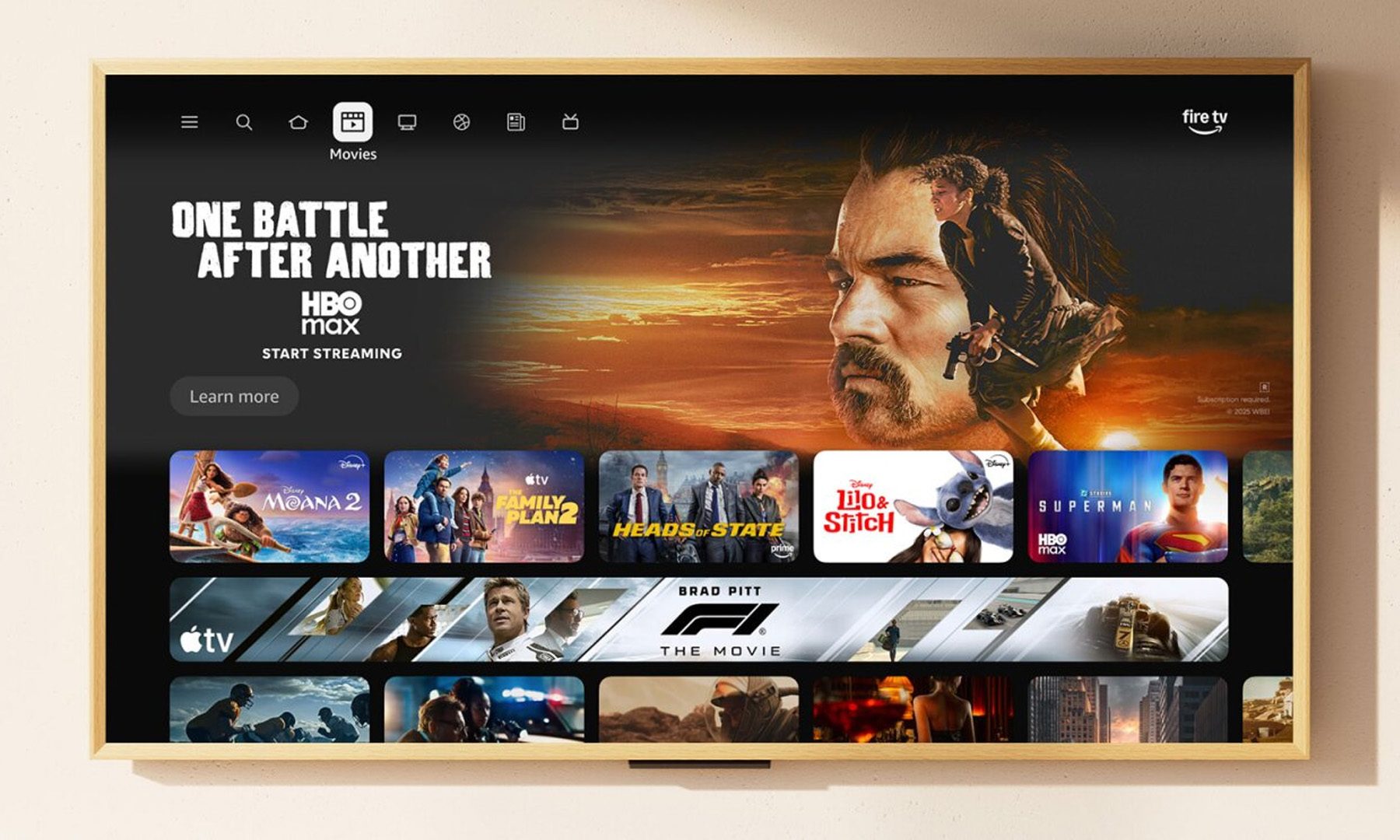
Amazon’s new Fire TV interface is finally rolling out to more devices
Amazon has started rolling out its redesigned Fire TV interface, bringing a cleaner look, faster performance, and built-in Alexa+ integration.

AirPods Max 2 slide to just $399 ahead of Prime Day and I highly recommend you snag it
Amazon has the AirPods Max 2 at $399, 27% off the $549 launch price, the lowest price yet for Apple's latest over-ear headphones.

This modular robot mower handles up to 6 acres, and it’s over $1,000 off for Prime Day
Save $1,000 on the YARBO Robot Lawn Mower Pro this Prime Day, now $4,999 on Amazon. Wire-free RTK navigation, AI vision, 6-acre coverage, and a modular design.
Amazon Prime Day
Amazon Alexa


Amazon Prime Video