1. Home
  2. Computing
  3. Gaming
  4. News

Off-the-grid gaming: Microsoft shows you how to play Windows Store games offline

Add as a preferred source on Google

Recently, we’ve seen Microsoft pay much more attention to PC gamers than it has in the past. Now, the company has offered up some guidelines for anyone looking to play games purchased via the Windows Store without an internet connection.

Unfortunately, this functionality comes with a couple of major caveats, as detailed in a guide posted to the official Xbox website. Users will have to select one system as their designated offline device, and they’ll have to carry out some set-up ahead of time to ensure that offline play works properly when it’s required.

Recommended Videos

The first step is to ensure that the desired device has the latest Windows updates. Then, users should head to the Store, click on their personal icon, and select Settings, before toggling the switch labeled Offline Permissions to “On.”

Next, it’s time to prepare individual games for offline play — this isn’t very time-consuming, but it does need to be done while the device is still connected to the internet. Users need to open up the game in question, and sign into Xbox Live with their account. Once you can actually start playing the game, you’re free to exit at any time.

Do this for each game that you want to play while offline. You’ll then be able to go offline on your designated device and open them without having to sign in every time.

Certain games might not support offline play functionality, and of course network features like online multiplayer will be unavailable without an internet connection. Still, it’s good to see Microsoft offering these features, and attempting to make Windows 10 a more robust gaming platform. Anyone taking a long trip with a gaming laptop will certainly be thankful for the ability to play their games offline.

Brad Jones
Brad is an English-born writer currently splitting his time between Edinburgh and Pennsylvania. You can find him on Twitter…
South Korea wants to give every citizen free, unlimited access to its own AI chatbot
The government-backed service could turn generative AI into public infrastructure instead of another monthly subscription
Electronics, Mobile Phone, Phone

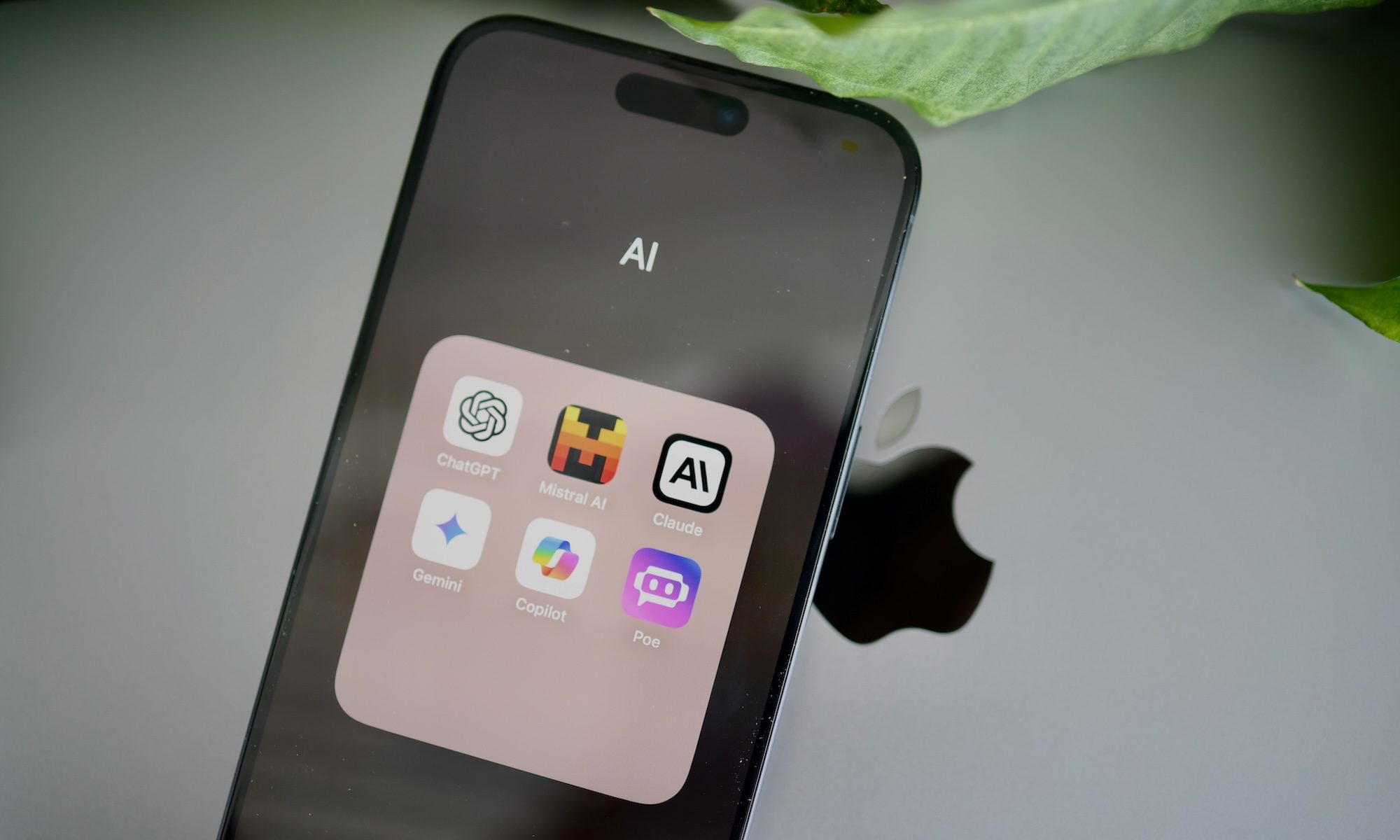
South Korea wants to give every citizen free access to an AI chatbot with no usage limits. That puts the technology closer to a public utility than another premium service demanding a monthly subscription.

The Ministry of Science and ICT announced the AI for Everyone project on July 13. Private companies will build the platform around locally developed models, while a separate AI agent will help people navigate government services. It’s a more practical job than generating emails or settling arguments nobody wanted to research themselves.

Read more
Falling in love with a chatbot is now off limits for kids in China
The crackdown targets emotional AI relationships as regulators worry about the country's record low birthrate.
Replika AI companion app on an iPhone in hand

Ever since AI chatbots arrived on the scene, there has been one aspect that has worried lawmakers and experts a lot: humans forming emotional connections with chatbots. There have been plenty of cases where over-reliance on these AI companions or partners has resulted in medical emergencies, lost lives, and triggered multiple lawsuits against the likes of OpenAI and Meta.

China cracks down on AI companion apps

Read more
Russian hackers keep finding their way into critical networks through neglected routers
A multinational warning says outdated firmware, weak passwords, and insecure settings are giving state-backed attackers an easy opening
A Wi-Fi router next to a laptop.

Russian state-backed hackers have spent more than a decade exploiting a stubborn weakness in critical infrastructure networks. Organizations are still leaving poorly configured and outdated routers exposed to the internet.

In a joint cybersecurity advisory, the NSA, CISA, FBI, and international partners warn that hackers linked to Center 16 of Russia’s Federal Security Service are continuing to target vulnerable networking equipment. Energy, healthcare, and government networks are among the sectors facing the highest risk.

Read more