1. Home
  2. Wearables
  3. Health & Fitness
  4. News

Electric wearables were touted 120 years ago to cure ills by adding ‘nervous energy’

Add as a preferred source on Google

Wearable tech for fitness and health isn’t a new concept. Electric belts, corsets, and rings promised to cure a wide range of diseases and complaints around the turn of the previous century, reports The Atlantic.

Electricity was first used for lighting in the U.S. in the late 1800s. By 1900 the idea of using electrical power to cure illnesses and improve strength without drugs — or exercise — had many scientists, physicians, and the general populace convinced of the medical wonders of the new technology. Conditions ranging from rheumatism, gout, asthma, paralysis, palpitations, ‘female complaints,’ shortness of breath, writer’s cramp, and more were promised relief or cure with the proper electric garment, accessory, or treatment.

Recommended Videos

Similar to the current idea of analogizing of our brains to computers and the study of brain-computer interfaces (BCI), 19th-century scientists focused on the new technology of their times and viewed human bodies as batteries that needed charging.

An advertorial for electric belts in The Los Angeles Herald in 1909 stated, “The word health now means a normal supply of electricity in the body, and the word disease means an insufficiency of that power.”

duplex-electric-belt
Library of Congress/Flickr

In Pseudo-Science and Society in Nineteenth-Century America, John Greenway wrote that when electric belts were on the market, “the therapeutic effects of the unseen world of electricity seemed equally unintelligible to scientists and quacks alike. Although part of the early interest in electrotherapy went the way of entertainment and quackery,” Greenway continued, “that ‘quackery’ often becomes obvious only in retrospect.”

Doctors in the 1880s believed many health conditions including nervousness and anxiety stemmed from social stressors of the time, including “steam power, the periodical press, the telegraph, the sciences, and the mental activity of women,” George Beard wrote in his 1881 book, American Nervousness: Its Causes and Consequences.

The Atlantic compares the 19th century’s association of the introduction of electrical power with problems and ‘cures’ of the time to the interest in fitness and health wearables in the age of computers and the internet, when we look to electronics and the world wide web for answers and solutions.

Bruce Brown
Bruce Brown Contributing Editor   As a Contributing Editor to the Auto teams at Digital Trends and TheManual.com, Bruce…
Nothing’s first proper smartwatch could be the wrist candy Android needs
Nothing wants to put some personality back on your wrist
Wristwatch, Arm, Body Part

Just like how smartphones have settled into a familiar routine, smartwatches have also become quite predictable. But Nothing might be planning on shaking things up for wearables. A tipster claims the company is preparing its first smartwatch under the main Nothing brand. The unnamed wearable will reportedly launch in September, cost less than $300 in the US, and initially reach a limited number of markets.

Its design is also said to carry the “typical Nothing DNA” that has helped the company’s phones and audio gear stand apart. Right after this, Nothing co-founder Akis Evangelidis joined the conversation with a separate, cryptic post. It adds some company-side smoke to the leak, although Nothing has yet to announce the watch or reveal any hardware details formally.

Read more
Google could soon let you unlock your Pixel Watch with your phone
An in-development feature could flip the current Watch Unlock feature, letting an authenticated phone unlock the watch automatically.
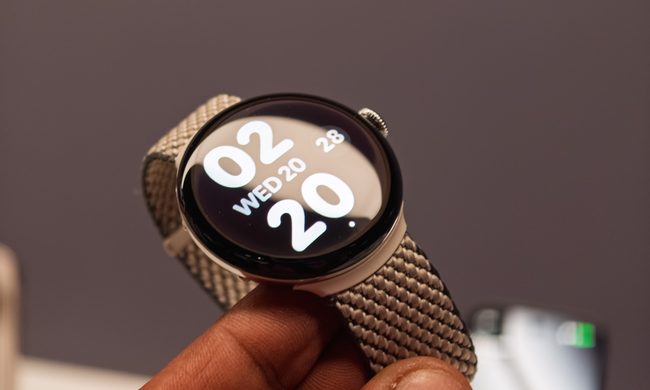
Google Pixel Watch 4 in black in the hand

If you've set up a PIN on your Pixel Watch, you already know the prompt that shows up every time you slip it back on your wrist. It's a useful security measure, but entering a PIN on that small screen multiple times a day gets old fast. A new report suggests Google may be working on a way to let you skip it.

Watch Unlock in reverse

Read more
A new iPhone app can sniff out Meta smart glasses lurking nearby
Your iPhone can now keep an eye on the glasses keeping an eye on you
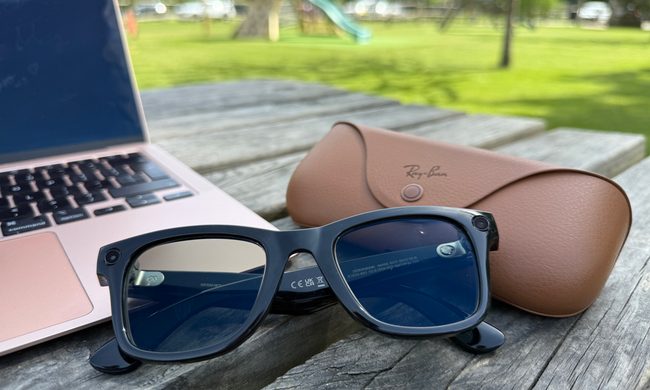
The Ray-Ban Meta smartglasses and case.

Android users got an unusual privacy tool earlier this year that could alert them when smart glasses were nearby. Five months later, iPhone owners finally have something similar, and its name makes its feelings about Meta pretty obvious.

AntiZuck is a $2.99 iPhone app that scans for Bluetooth signals associated with smart glasses and alerts you when it thinks one is close. It supports devices including Meta Ray-Bans, Snap Spectacles, Amazon Echo Frames, and RayNeo glasses, while the developer says additional hardware is being added.

Read more