1. Home
  2. Photography
  3. Social Media
  4. News

Browser extension unveils the hidden tags Facebook gives your photos

Add as a preferred source on Google

Every time you upload an image to Facebook, every pixel in the image is scanned using machine learning algorithms. These algorithms, in turn, predict what the subject matter of the image is and label it accordingly.

Say for example you upload a photo showing your dog and your friends playing at the beach. Facebook’s image recognition technology will likely scan the photo and apply the tags “dog,” “beach,” “sand,” and so on, even without the addition of any description on your end.

Recommended Videos

Normally, these tags are hidden from plain view, and are located inside the source code of the image link. You can find the tags if you know where to look, but it’s not exactly a quick and simple procedure.

Thankfully, a new extension for Google Chrome and Mozilla Firefox will do the dirty work for you and unveil the hidden tags Facebook doesn’t usually let you see with a simple hover of your cursor.
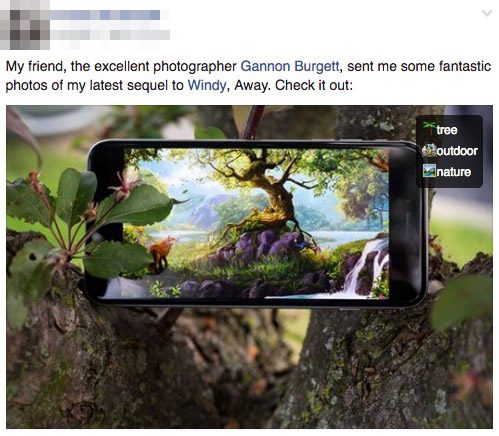
Image used with permission by copyright holder

Called “Show Facebook Computer Vision Tags Extension,” the official name of the extension is quite the mouthful, but it appears that’s the most difficult component of the extension.

Once installed from the Google Chrome Web Store or the Mozilla Firefox Add-ons website, the extension immediately gets to work. When browsing through images, it will automatically show an overlay on the image with the tags it was automatically given.
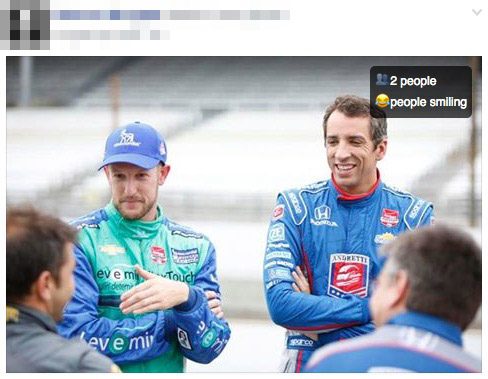
Image used with permission by copyright holder

According to its creator, Adam Geitgey, the extension was made to inform users of exactly how much information companies are able to pull from your photographs.

Facebook isn’t alone in this either. A range of photo apps and services, including Apple Photos, Google Photos, Amazon, Flickr, and others, also use this technology.

To find out more information, head on over to the extension’s GitHub page.

Gannon Burgett
Former Editor
I bought Kodak’s viral keychain camera, and the bad photos are part of its charm
The Kodak Charmera is barely a camera, and I still keep using it
Machine, Wheel, Camera

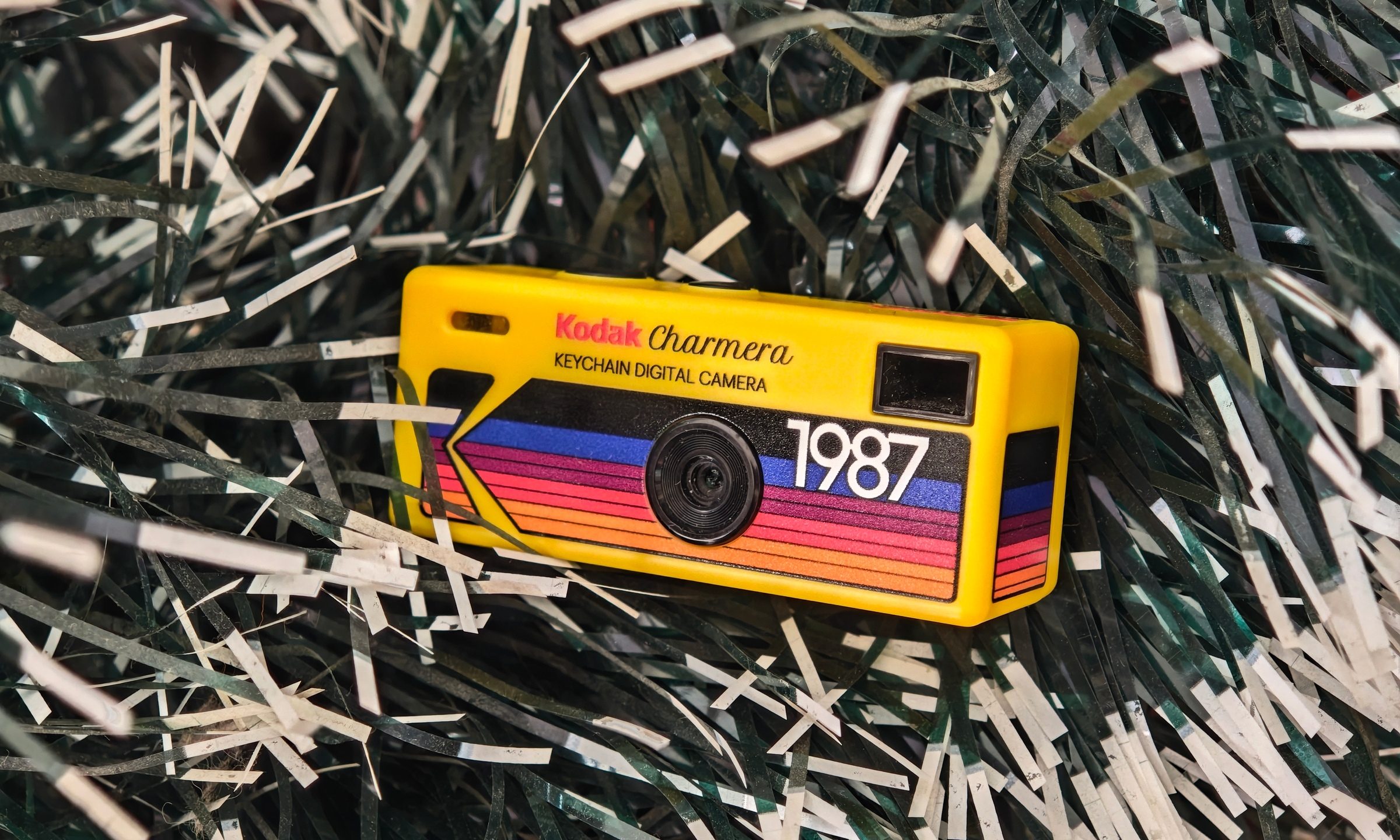
I bought the Kodak Charmera partly because I wanted a portable digital camera, and partly because I wanted a pretty little collectible. The Charmera is sold as a blind box, so you do not know which version you are getting until the box is opened. There are multiple retro Kodak-style designs, plus a transparent secret edition that looks like the one everyone would want.

I had the shopkeeper pick my box for better luck, and it worked out. I got the yellow variant, which is inspired by Kodak's original 80s disposable camera. The transparent one is definitely the fun collector’s piece, but the yellow model feels like the proper Kodak version. It looks like a tiny toy camera that escaped from a souvenir shop, found a keyring, and now hangs around wherever you go.

Read more
This new $30 keychain camera is coming for Kodak Charmera with a flip screen for selfies
Yashica's new camera makes toy photography more fun
YASHICA Funtastic Keychain Camera in multiple variants

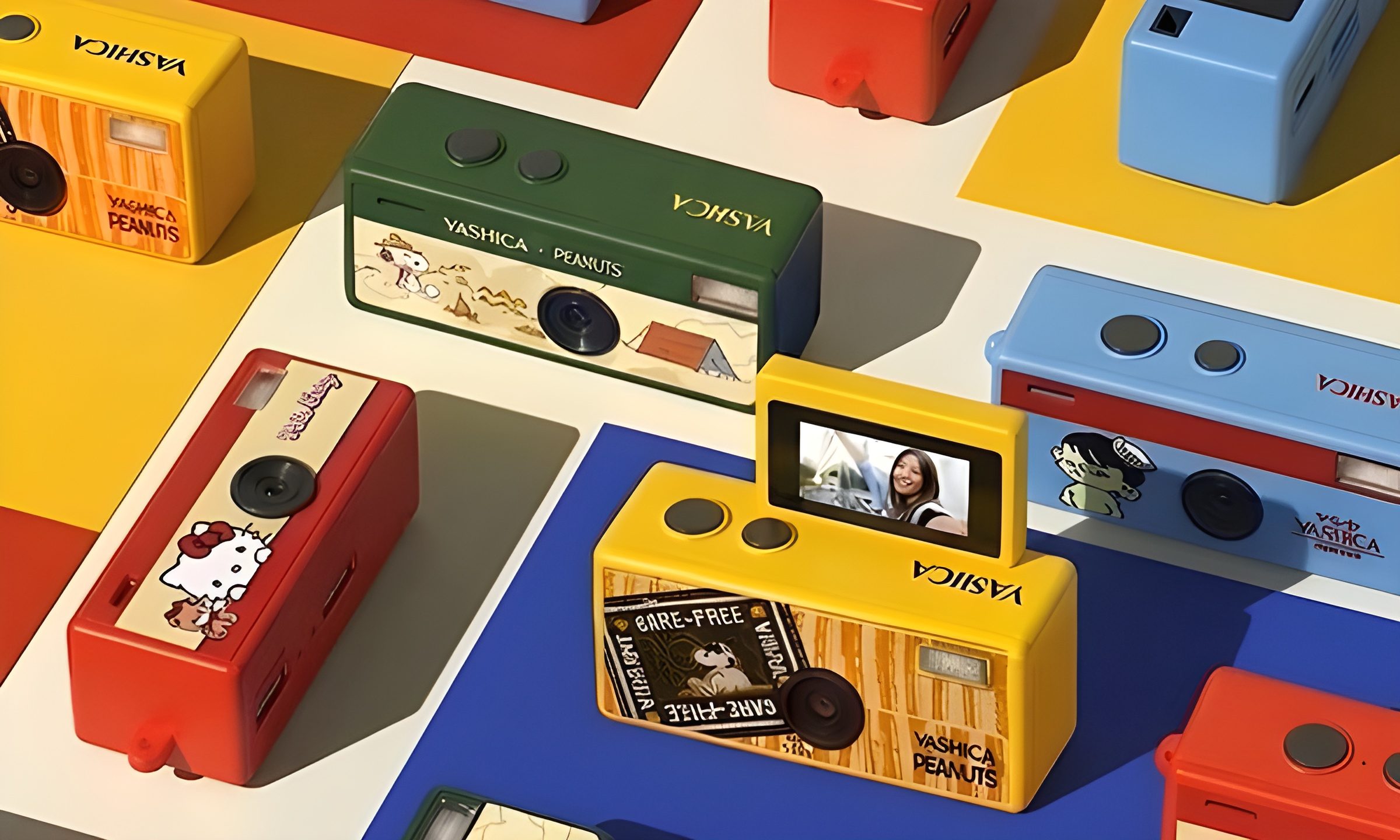
Tiny digital cameras are all the rage, and Yashica is now offering a very cute toy photography experience of its own. The company’s new Funtastic Keychain Camera is exactly what the name suggests, a miniature digital camera small enough to clip onto your keys, bag, or lanyard. The popular Kodak Charmera is the obvious comparison, which brings a tiny blind-box keychain camera that became a viral collectible.

Now, Yashica's version lands in the same novelty-camera lane, but adds one very useful trick, which is a 180-degree flip screen.

Read more
Google releases big v4.0 update for its popular Snapseed editing app on Android
Electronics, Phone, Mobile Phone

After years of sitting on its hands, Google appears to have remembered it owns one of the best photo editing apps on mobile. Snapseed 4.0 is now rolling out to Android, bringing the platform up to speed after a stretch of iOS exclusivity that left Android users watching from the sidelines.

The story starts last June, when Google quietly broke Snapseed out of its long dormancy with a significant 3.0 update for iPhone. It was a surprise move that suggested the company was serious about the app again. Google then confirmed at the start of this year that Android wouldn't be left behind for long, and true to that word, the Play Store listing has now been updated to reflect version 4.0 — skipping straight past 3.0 for Android users and landing both platforms on the same version simultaneously.

Read more