1. Home
  2. Phones
  3. Business
  4. Mobile
  5. News

Apps were more popular than ever in 2016, and it was largely thanks to China

Add as a preferred source on Google

The appification of the world is going strong, and its epicenter appears to be in China. App Annie’s 2016 Retrospective on the mobile app industry has shed some light on how the industry has grown in the last year, with significant upticks observed in usage, downloads, and revenue for apps. Across the world, apps were downloaded more than 90 billion times, representing an increase of more than 13 billion (or 15 percent) when taking into consideration both the iOS App Store and Google Play.

All in all, smartphone users spent nearly 900 billion hours on various apps, an increase of more than 150 billion hours (or 25 percent) year over year. Unsurprisingly, this notable upward trend in popularity also lent itself to more money for developers — the revenue paid to the folks behind the apps went up by 40 percent.

Recommended Videos

According to App Annie, China was a major reason behind the increase in iOS downloads. Moreover, despite the historical popularity of games, in 2016, other categories contributed more to overall growth. For example, Finance, Travel, and Photo & Video apps did particularly well for the iOS App Store, whereas the Productivity, Tools, and Social categories proved popular on Google Play.

Overall, publishers saw revenues of more than $35 billion across the iOS and Android app stores, with China again contributing in a major way to this uptick. In fact, the app-crazy nation contributed to almost 50 percent of the iOS App Store’s annual growth. Moreover, China was also the leading source of App Store revenue last year.

App Annie’s report corroborates many of the findings previously released by Sensor Tower, which also found that users are using apps more often, and that games are not necessarily the most popular category anymore.

You can check out App Annie’s full report, which delves into a number of other interesting trends (including the growth in video streaming, the viability of fintech apps, and the popularity of shopping apps), here.

Lulu Chang
Fascinated by the effects of technology on human interaction, Lulu believes that if her parents can use your new app…
Apple’s lease program is just a soft landing for you to spend on pricier iPhones this year
Hand holding iPhone 17 Pro.

A few days ago, Apple introduced a new "Upgrade" program that is essentially a lease program for buying Apple hardware. Instead of paying the full cost up front, you space the monthly installments (12, 24, and 36 month spells), and at the end of the lease period, you can choose to return the device, upgrade to a new one, or pay the remainder cost and keep it forever.

The broad idea is simple. Instead of taking a thousand-dollar hit on the wallet, you space the hit across small monthly payments. For a flagship iPhone, that broadly comes down to a dollar per day, and for budget phones such as the iPhone 17e, it's just half a dollar each day, if you do the breakdown. At least Apple is looking at it that way.

Read more
Pixel 11 leak predicts a weird mix of upgrades and downgrades for a higher price
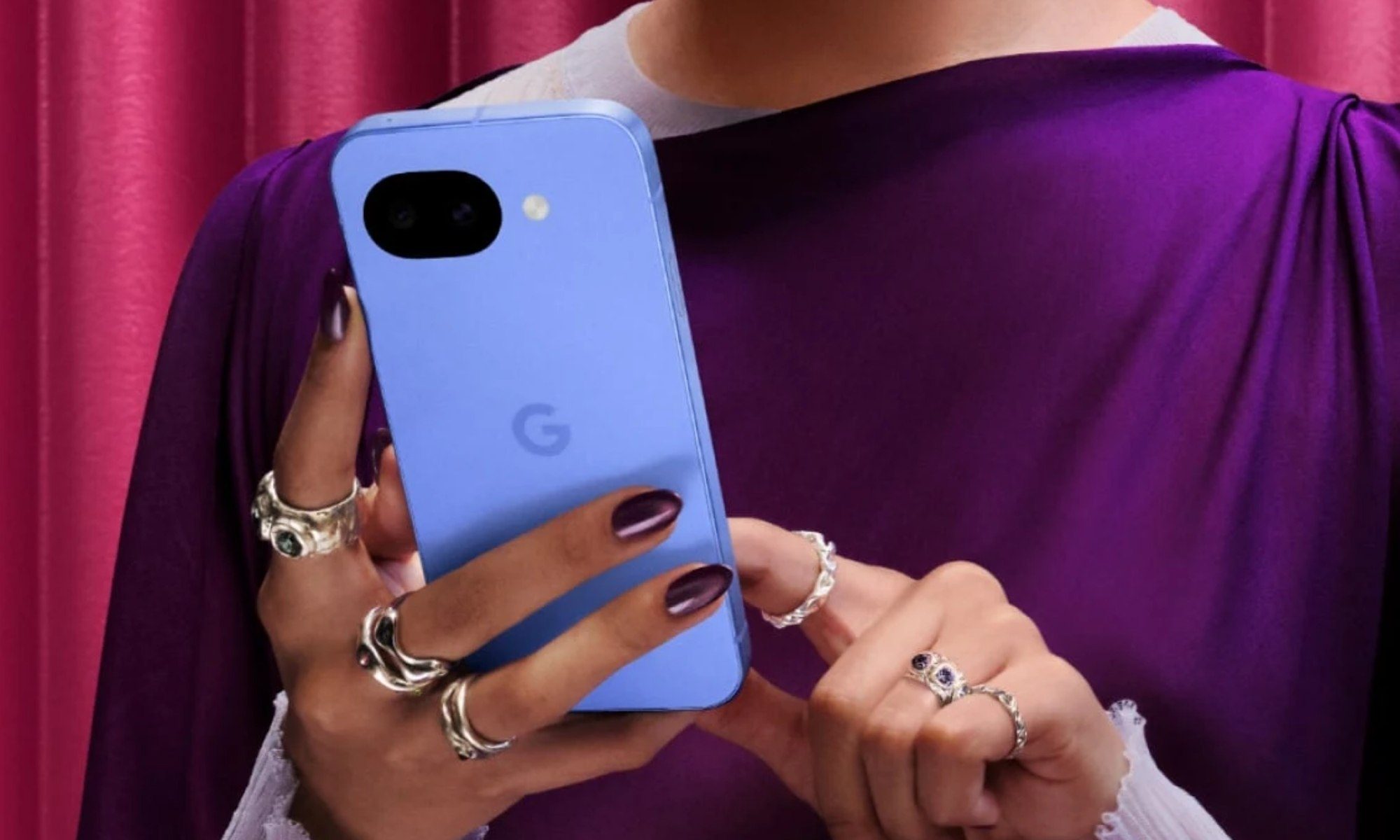
The Pixel 11 may start at $899 with 256GB of storage, but its camera setup remains unclear.
Google Pixel 10a smartphone

Google may ask Pixel 11 buyers to pay $100 more for a phone that improves the parts they can’t see while leaving a conspicuous camera question unresolved. A new leak from Android Headlines puts the base model at $899, up from the Pixel 10’s $799 starting price.

The extra money would at least buy more capacity. The Pixel 11 reportedly starts at 256GB rather than 128GB, while the leaked specifications list both 12GB and 16GB RAM options. Yet the same list mentions only a main camera and an ultrawide, even though other leaked renders still appear to show three rear camera openings.

Read more
Google’s Pixel 11 Pro Fold could offer Galaxy Z Fold8 Ultra specs for $200 less
Google’s leaked foldable could match the Fold8’s price with Ultra-sized screens and 5x zoom
Electronics, Mobile Phone, Phone

Google may be preparing to challenge Samsung’s most expensive foldable without charging Ultra money. According to Android Headlines, the Pixel 11 Pro Fold will start at $1,899, matching the Galaxy Z Fold8 and undercutting the $2,099 Fold8 Ultra by $200.

Its rumored hardware makes that pricing especially interesting. Google’s foldable appears much closer to Samsung’s Ultra model in display size, even though it would cost the same as the smaller Fold8.

Read more