1. Home
  2. Cars
  3. Business
  4. News

Tesla will also make gearboxes, electric motors for the Model 3 at its Gigafactory

Add as a preferred source on Google

Nevada will soon be known for more than just its casinos — thanks to Tesla, it may soon be known for its cars as well. Just a couple weeks after the enormous Gigafactory in Nevada began producing lithium-ion battery cells for Tesla, the car company is having the massive plant produce something else — components for the highly anticipated Model 3.

At Tuesday evening’s State of the State address, Nevada Governor Brian Sandoval said, “Tonight, I am pleased to announce that Tesla will expand its investment in Nevada by producing the electric motors and gearboxes for the Model 3 at the Gigafactory.” This work is expected to create some 550 new jobs at the factory, as well as spur an extra $350 million in investment. In his speech, the governor thanked Elon Musk’s car company for “doubling down” on its commitment to Nevada, noting that the company’s presence had already led to economic growth in the state.

As it stands, the futuristic car company employs 1,000 full-time workers at the Nevada plant, and another 2,000 construction workers are helping build the behemoth of a factory. By the time it’s entirely finished, the Gigafactory will live up to its name, measuring the same size as 107 NFL football  fields, with more than 10 million square feet of operational space. It’s expected to be the world’s largest building when completed, and by 2018, Tesla anticipates that the Nevada factory will churn out 35 gigawatt-hours a year of lithium-ion battery cells. That’s equivalent to the production of the rest of the world combined.

While the Gigafactory won’t actually build any Model 3 cars (rather, the motors and battery packs will be shipped off to Tesla’s Fremont, California, factory), it will clearly play an integral role in the car’s production. And with demand for Teslas higher than ever, Musk and company will need to have every factory in their arsenal working overtime.

Lulu Chang
Fascinated by the effects of technology on human interaction, Lulu believes that if her parents can use your new app…
Waymo’s driverless cars keep getting parking tickets in Austin, and humans aren’t the only ones complaining
Waymo vehicles have collected $9,325 in Austin fines as repeated parking mistakes turn into a fleet-wide operational problem
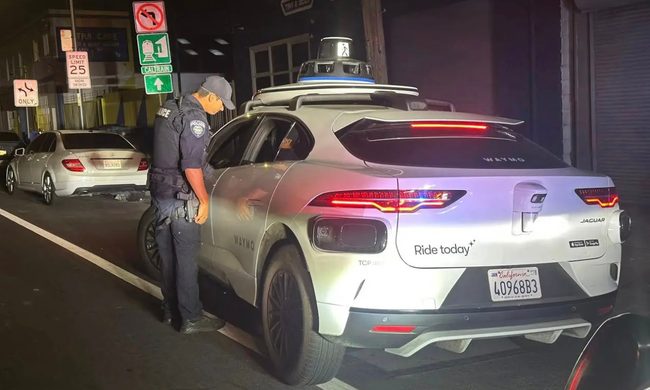
A police officer investigating an empty Waymo car.

Waymo’s 83 parking citations in Austin don’t amount to a financial crisis. They do reveal what happens when the same driving decisions are repeated across an autonomous fleet.

City records obtained by The Wall Street Journal show that Waymo vehicles have accumulated $9,325 in fines since arriving in 2024. The company has paid most of them, but the more revealing detail is how often its cars have made the same mistake.

Read more
Google Maps’ biggest Android Auto upgrade is reaching more users
Google Maps is finally giving Android Auto users directions with a little more drama.
Electronics, GPS, Car

Google is widening the rollout of two long-awaited Google Maps features for Android Auto users: Immersive Navigation and a built-in live speedometer. After months of limited availability, reports suggest both features are now reaching a broader group of users, including people running stable versions of Google Maps instead of beta builds.

The update is part of Google's ongoing effort to modernize the Android Auto navigation experience. While the company unveiled Immersive Navigation earlier this year as one of the platform's biggest upgrades in years, the feature has been trickling out slowly, leaving many users without access. That appears to be changing, with more devices now receiving the update through a server-side rollout.

Read more
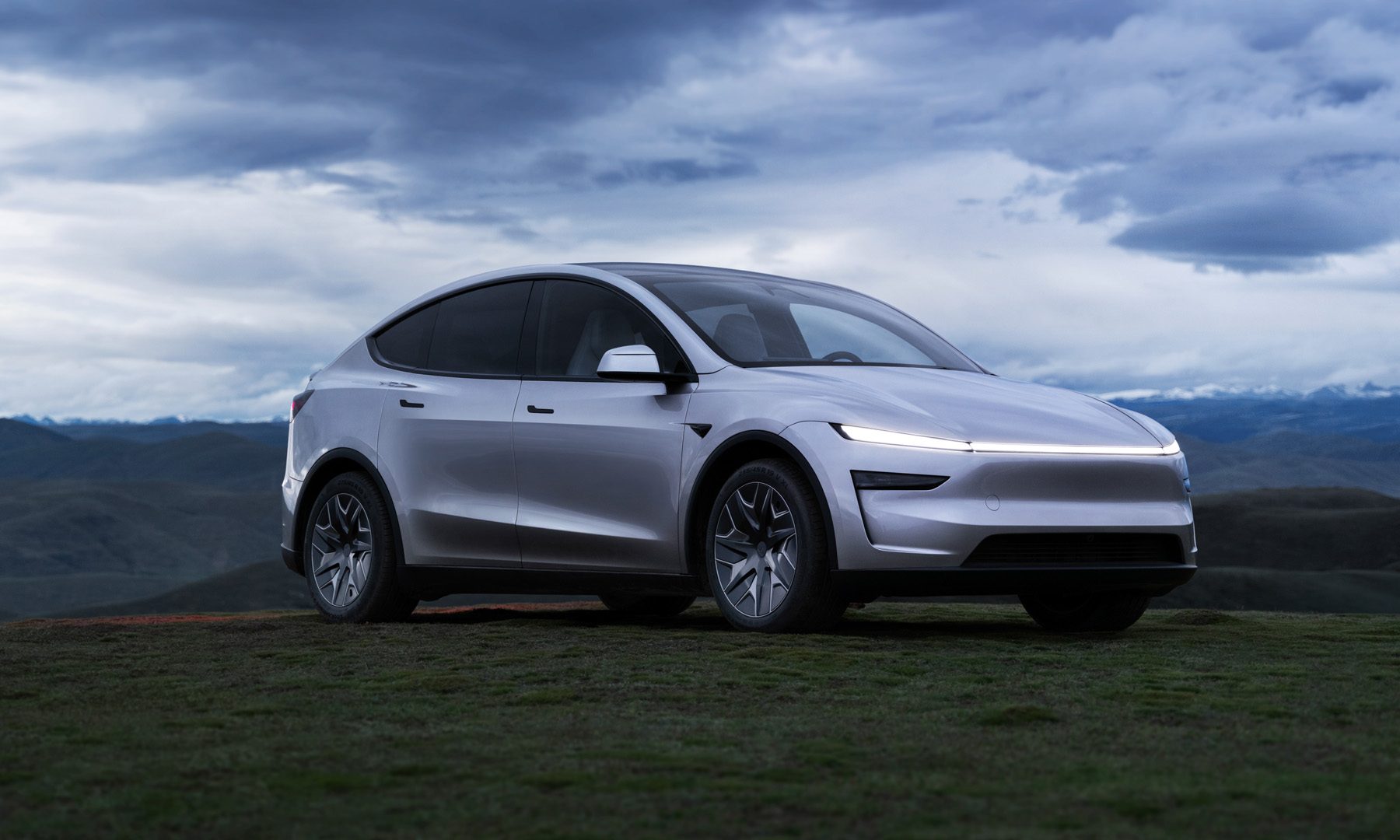
Tesla’s hidden door problem might end up fixing every car in America
This could permanently change how emergency exits are designed in American passenger vehicles.
Tesla Model Y Long Wheelbase Featured

Tesla's electronic door handles have been a safety talking point for years, mostly on Reddit threads and EV forums where people debate whether sleek design is worth the tradeoff when a car is on fire and power is out. 

Now the US government has formally weighed in (via The Washington Post). The outcome, I’d say, is bigger than most people think.

Read more