1. Home
  2. Emerging Tech
  3. Health & Fitness
  4. News

Darwin is a robot physical therapy assistant to help kids with cerebral palsy

Add as a preferred source on Google

Could robots have a future helping kids with pathologies like cerebral palsy, a condition that often involves impaired muscle coordination and other disabilities? Researchers at Georgia Institute of Technology think so.

They are investigating the use of pint-sized robots in pediatric therapy, specifically to encourage children to play an active role in physical therapy.

Recommended Videos

“We’re designing socially interactive robots that can engage children with disabilities in therapy activities, performed in the home environment,” professor Ayanna Howard, who leads the Darwin project, told Digital Trends. “Therapy is designed to help children in achieving their developmental milestones — whether a child with cerebral palsy, child with autism spectrum disorder, or a child recovering from a traumatic brain injury. Our robot is designed to function in the home, to supplement services provided by a human clinician, by engaging with them in therapy exercises just as a clinician does — interacting with them, monitoring their performance, and encouraging them with both motivational and corrective feedback.”
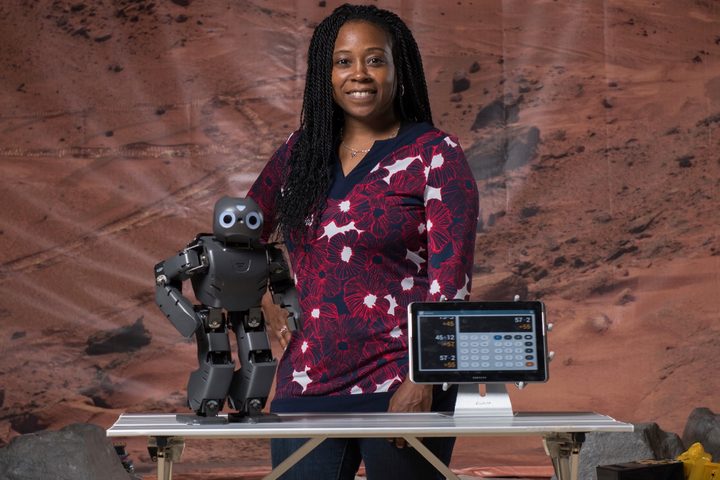
Ayanna Howard with her robot. Image used with permission by copyright holder

In experiments carried out by Howard and her colleagues, 3D-motion trackers monitored the subjects’ movements as Darwin offered encouragements while movements were performed — as well as demonstrating them when they were not performed correctly. With the exception of one isolated case, the robot had a significantly positive impact on kids’ physical activity.

“We are currently running a number of pilots using the technology in a few clinics and homes of children with cerebral palsy,” Howard continued. “Our current pilots show that children with CP are able to successfully follow the therapy protocols and guidance provided by their robot playmates.”

The next goal, she said, is to implement a long-term pilot program of two months to evaluate the robots’ full potential. Once the effectiveness of the bot-aided therapy is validated, the technology will then be ready for commercialization.

While it’s not being viewed as a replacement for human physical therapists, as it serving as an additional tool for practitioners could turn out to be beneficial. After all, what kid didn’t dream of having his or her own robot pal?


Luke Dormehl
I'm a UK-based tech writer covering Cool Tech at Digital Trends. I've also written for Fast Company, Wired, the Guardian…
Yet another study says AI is bad for elections, and the rabbit hole gets worse
AI may be an election bomb waiting for someone to light the fuse
Voters cast their ballots on Election Day

Another election, another study has concluded that asking an AI chatbot for political guidance is a spectacularly bad idea. Research conducted during Hungary’s 2026 parliamentary election found that ChatGPT and Google Gemini offered not just inaccurate but also inconsistent and unreliable voting advice. The chatbots misclassified voter profiles, overlooked relevant parties, recommended parties absent from the ballot, and sometimes produced materially different answers when given the same information repeatedly.

AI keeps failing the voter test

Read more
Samsung’s humanoid robot ambitions are real, but factories come first
Samsung’s new robotics division has humanoids in its sights, although its immediate business is far more practical factory automation
Robot Touch Human Finger

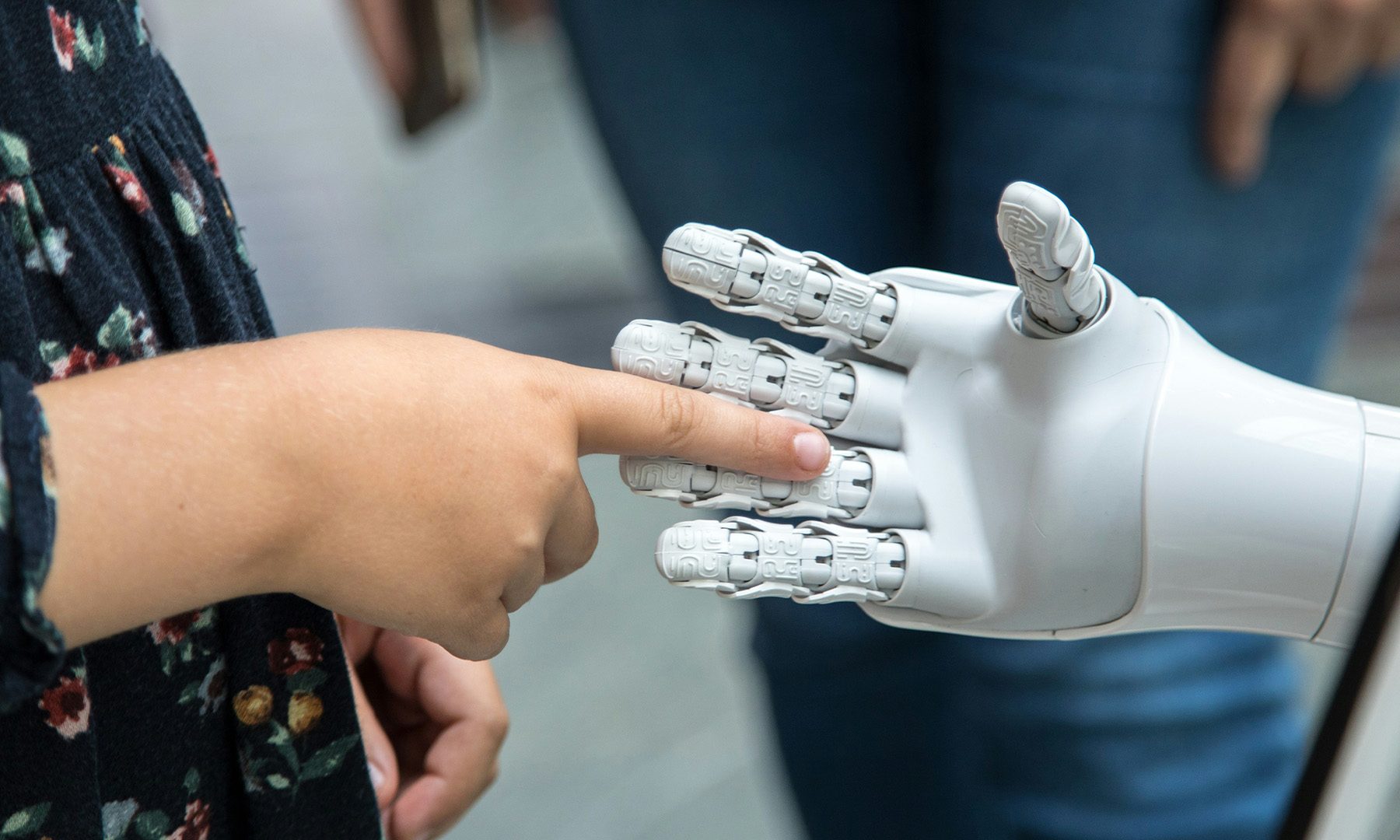
Samsung wants a place in the humanoid race, but its new robotics push begins with machines built for factories rather than homes.

The CEO-led RX robotics division will initially focus on manufacturing robots. Samsung has separately identified humanoids as a priority, although it hasn’t announced a commercial model or explained where one fits into the division’s immediate plans.

Read more
The future of AI may depend on this one behind-the-scenes change
Running Claude on Android.

Whenever a new AI model arrives, it's easy to get caught up in the bells and whistles. We talk about how much smarter it is, how quickly it answers questions, or how realistic its images have become. But here's the thing: none of that matters much if the AI can't reliably work with the apps and services people use every day.

That's why an upcoming update to the Model Context Protocol (MCP) caught my attention. It isn't a new chatbot or a fancy AI model. In fact, most people will never even know it's happening. But it could quietly make the AI ecosystem a lot healthier. If you've never heard of MCP before, don't worry. Think of it as a shared language that lets AI assistants safely talk to apps like Gmail, Slack, calendars, databases, and countless other services. Instead of every company inventing its own way to make those connections, MCP gives everyone a common rulebook.

Read more