1. Home
  2. Computing
  3. Virtual Reality
  4. News

Google wants to show off your face a bit better in VR and mixed reality

Add as a preferred source on Google

Being around someone using a virtual reality system can be an eerie experience. The typical VR headset fully hides the user’s eyes, making it hard to follow along with the action and interact with anyone using a system. When you’re inside a VR experience with another user, today’s systems don’t pass along facial expressions and so the social aspects and overall experience are hindered.

Google Research is looking to resolve that problem with a new project it is working on with Daydream Labs. By combining 3D computer vision, machine learning, and advanced rendering methods, the project aims to create more of a realistic solution that can convey a user’s identity, focus, and face.

Recommended Videos

Basically, the solution uses a VR headset modified by SensoMotoric Instruments that includes a video camera and eye-tracking components to show a person’s facial variations while blinking and looking in certain directions. This information is overlaid inside the mixed reality environment using green screen technology, basically making it look like the VR headset is a scuba mask — the translucent effect is deliberate and intended to avoid the “uncanny valley” effect that can make avatars and robots come across as unnatural.

From there, this modified user representation is worked into VR and mixed reality environments. The experienced is completed by showing a more realistic and expressive view of the user including their facial expressions and the ability to see where the user is looking.

While the technology does nothing for the real-world headset user, it dramatically improves the experience inside a VR or mixed reality world. Users can interact more realistically, using facial expressions and nonverbal cues to greatly enhance the communication and social interaction possible in VR environments. While the gaming applications are obvious, more mundane and practical solutions like VR video conferencing would also be greatly improved.

There is no word yet on when this technology will make it to shipping products. Anyone who wants to delve into the details can visit the Google Research blog to learn more about how the pieces connect to create a much more realistic virtual representation of the VR user.

Mark Coppock
Former Computing Writer
Mark Coppock is a Freelance Writer at Digital Trends covering primarily laptop and other computing technologies. He has…
Asus’ latest Zenbook puts a seriously bright OLED screen inside an impossibly slim body
The Zenbook 14 Air is only 11mm thick but still packs a 77Wh battery
Computer, Electronics, Laptop

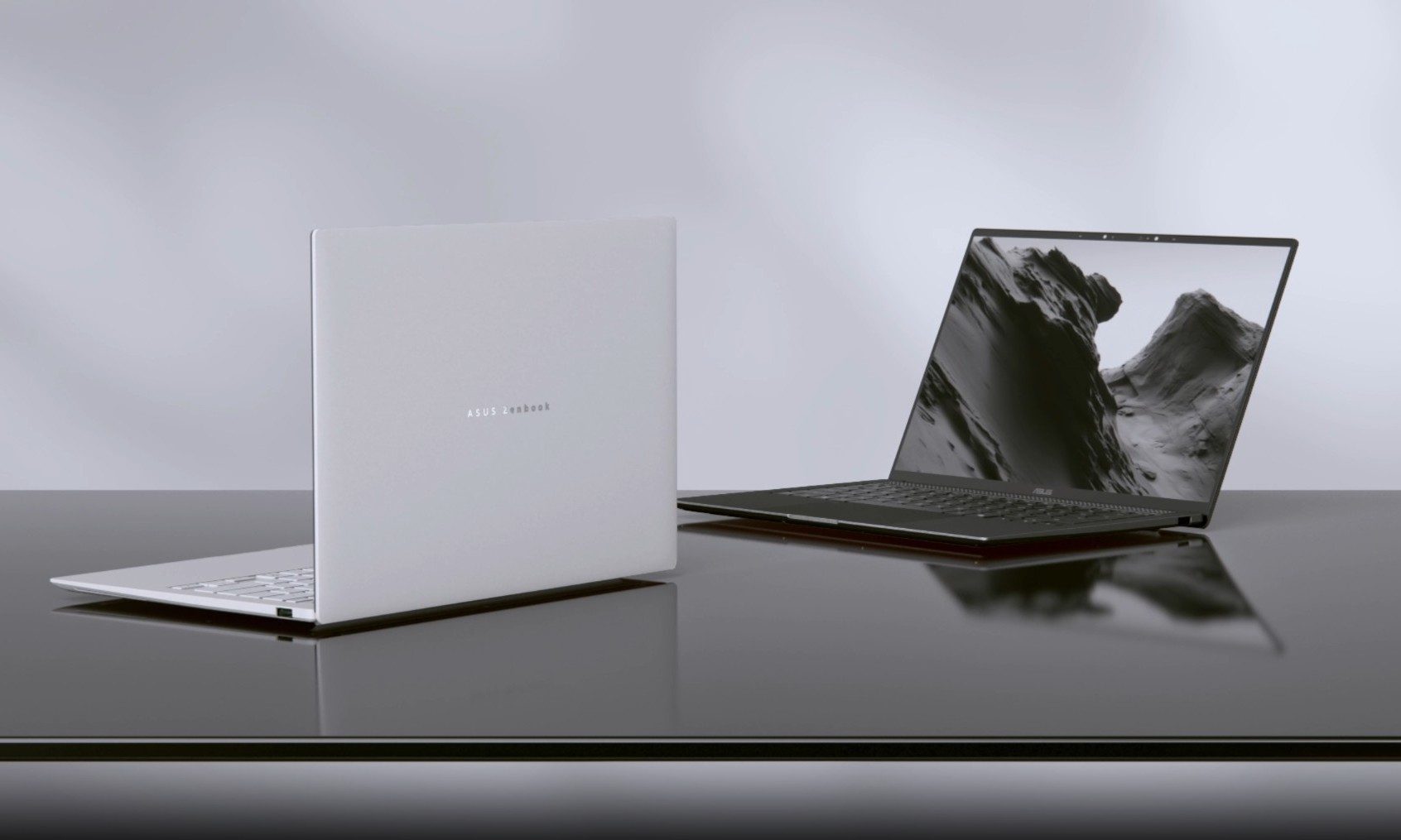
Asus has introduced a new AMD-powered version of the Zenbook 14 Air 2026, combining a bright OLED display and a large battery inside an 11mm-thick chassis. It weighs 1.19kg, keeping it firmly in ultraportable territory despite the 77Wh battery inside.

The Zenbook 14 Air 2026 itself is not entirely new. Asus launched an Intel configuration powered by the Core Ultra 9 386H in China back in January. The latest version switches to AMD’s Ryzen AI 7 H 445 and is priced at CNY 9,999, or around $1,477. (via Notebookcheck)

Read more
Before you blow your student budget, here’s the MacBook that actually suits your major
Confused by the MacBook lineup? I sorted it out so students don't have to
Computer, Electronics, Laptop

Apple’s MacBook lineup has become much broader in 2026. The MacBook Neo brings the entry price down considerably, the M5 MacBook Air remains the obvious all-rounder, and the MacBook Pro covers students whose coursework can push a laptop to its limits.

But with a wide range, choosing one becomes harder. Spending more can bring a better display, faster storage, additional ports, and considerably greater performance. However, plenty of students will never take advantage of those upgrades. So, I have narrowed the current lineup down to three models, each aimed at a distinct kind of buyer.

Read more
Qualcomm is set to ratchet up chip prices in September, and your next gadget upgrade could bear the brunt
The price hike could touch every Snapdragon-powered device category.
The new Qualcomm Snadragon 8 Elite Gen 5

I want you to sit with this for a second. Qualcomm, the company whose Snapdragon chips sit inside your Android phone and tablet, your Windows laptop, your Meta smart glasses, your Galaxy Watch, and your wireless earbuds, reportedly sent a letter to every major customer telling them prices are going up by double digits. 

The price hike will be in effect from September 1, 2026, a recent Bloomberg report claims. Essentially, all the companies placing their chip orders after that will pay a higher price. 

Read more