1. Home
  2. Computing
  3. Web
  4. News

Ambient light sensors can be used to snoop on us while we’re web browsing

Add as a preferred source on Google

There are more ways to access your data than by exploiting the various software vulnerabilities and hardware bugs that we seem to hear about on a daily basis. Our gadgets actually have all kinds of weaknesses that could allow nefarious parties to steal our information, and some of them are things we’d probably never consider.

One of those weaknesses stems from the fact that our PCs, tablets, and smartphones are stocked with sensors that extract information from our environments and use that data to make our devices more useful. Some researchers have found a way to use the innocuous-seeming ambient light sensor to grab potentially sensitive browser data and pass it along.

Recommended Videos

The ambient light sensor is used for a couple of purposes. It detects background light levels and adjusts screen brightness, and it works as a proximity sensor to determine when to shut off a smartphone’s screen during a call. As the researchers point out, the ambient light sensor is quite precise, and can measure light intensity from completely dark to incredibly bright.

The specific hack that the researchers developed uses the ambient light sensor to pick up color and lighting information from the screen by tapping into the data the sensor passes to the system. Because the sensor’s data is affected by what’s being displayed on the screen, it can be used in a variety of ways to pick up browser information that affects the light that the screen is giving off.

One simple example is the colors of visited links, which are normally obfuscated by the browser to avoid just this kind of snooping. Essentially, the light sensor readings can be used to distinguish between visited and unvisited links and thus inform an attacker as to which links the user had previously visited.

Light sensor: detecting browsing history

Another example involves using the ambient light sensor data to grab QR codes. That data can be used for such things as hijacking a user’s account when a QR code is used to provide emergency access to an account.

Light sensor: Stealing a QR code #2

So far, the researchers have managed to create attacks that work in Firefox and Chrome on Android devices and on PCs with ambient light sensors. Certain problems exists, such as changing lighting conditions in real-world situations, and also screen brightness variations. Nevertheless, the attack presents yet another reason to wonder who might be stealing our information in ways that we’d never imagine — or prepare against.

Mark Coppock
Former Computing Writer
Mark Coppock is a Freelance Writer at Digital Trends covering primarily laptop and other computing technologies. He has…
Windows 11 is getting a new Screen Tint mode, and your eyes might thank Microsoft
Users can apply custom color overlays to reduce screen intensity and visual fatigue.
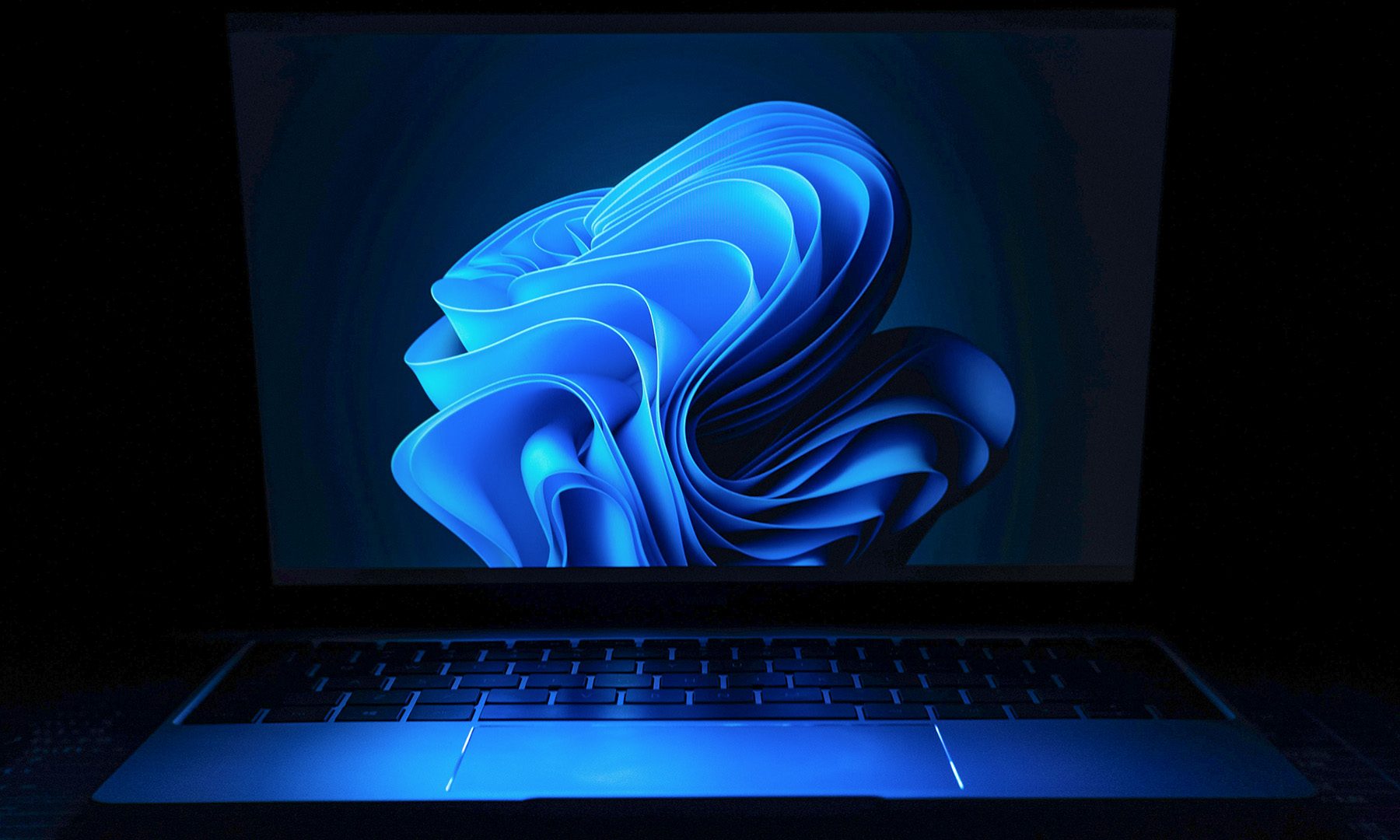
Windows 11 on a laptop

Microsoft is testing a new accessibility feature for Windows 11 called Screen Tint, and it could be one of those small additions that make a surprisingly big difference. Instead of changing your display's color temperature like Night Light, Screen Tint applies a customizable color overlay across the entire screen, making bright displays easier on the eyes during long work or gaming sessions.

A softer screen for tired eyes

Read more
Apple’s looking at a politically radioactive fix for the memory crisis, and the US government isn’t happy about it
Apple blamed memory costs for your price hike. Its proposed solution involves a Pentagon blacklist.
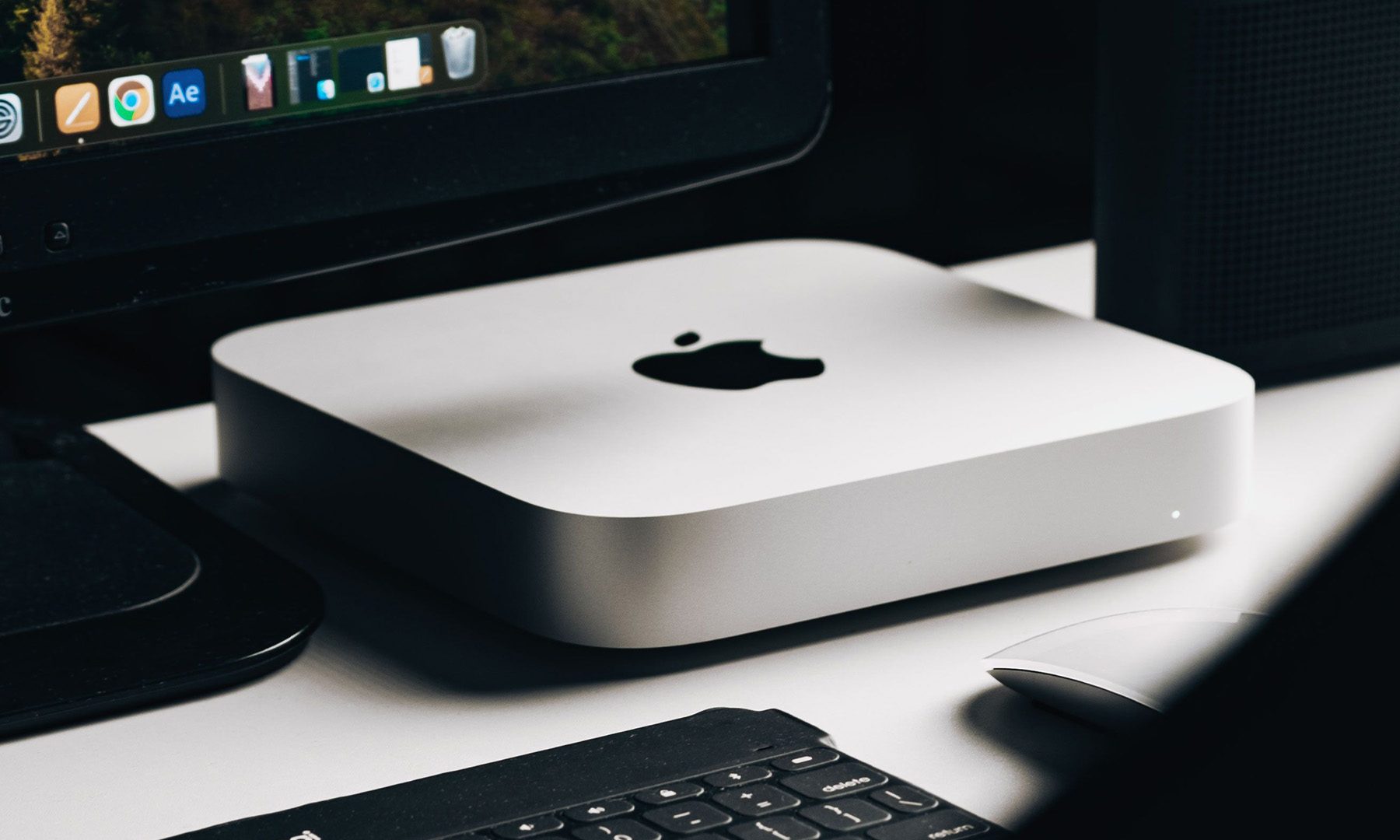
Apple Mac Mini on a Desk

A few days ago, Apple announced an ugly mid-cycle price hike, blaming the worsening-by-the-day memory crisis. According to the Financial Times, the company is now lobbying the government for approval to buy memory chips from a Chinese company. 

The company in question is CXMT, a Chinese chipmaker that the Pentagon added to its Chinese Military Company blacklist for alleged ties to the Chinese army.

Read more
As iPads get pricier, Motorola’s Pad 70 Pro arrives as a solid option… just not for US buyers yet
Great specs, a stylus in the box, and no US launch date: the Moto Pad 70 Pro sounds both impressive and disappointing.
Computer, Electronics, Laptop

If you don’t know about Apple’s recent price hike, which affected all the products in its lineup except the iPhone and Apple Watch (for now), you’ve got to be living under some sort of a rock. The revision made all the iPads much more expensive. 

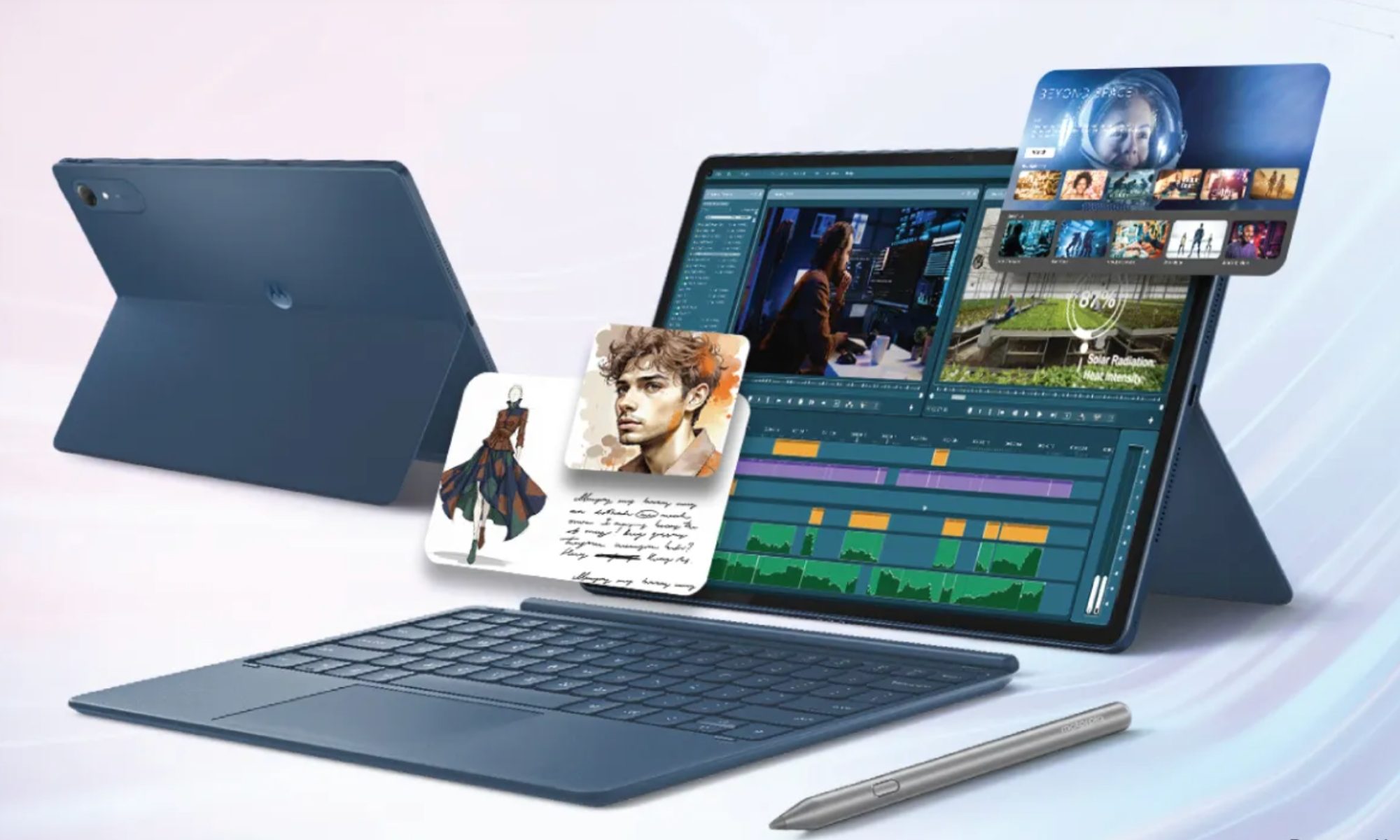
Motorola, however, has just launched a 13-inch tablet that actually sounds good on paper. It’s called the Moto Pad 70 Pro, and it costs around $440 for the baseline model. The catch, however, is that the device isn’t available in the US yet. 

Read more