1. Home
  2. Emerging Tech
  3. Health & Fitness
  4. News

Fluid-filled bio bag keeps baby lambs alive for weeks, may help preemies survive

Add as a preferred source on Google

An artificial womb has been used to keep premature baby lambs alive for weeks, according to a new study from the Children’s Hospital of Philadelphia and it may some day be used for humans as well. The fluid-filled plastic bio bags mimic the environment inside the uterus.

“Our system could prevent the severe morbidity suffered by extremely premature infants by potentially offering a medical technology that does not currently exist,” Alan W. Flake, a fetal surgeon at CHOP and study lead, said in a statement.

Recommended Videos

In the study, lambs that could not otherwise survive on their own were able to survive up to four weeks in the artificial womb, giving them enough time to sufficiently develop their lungs and other organs. As they would in their mother’s womb, the babies breathed amniotic fluid, pumping blood through an umbilical chord into an external device, exchanging oxygen and carbon dioxide.

Recreating the Womb: New Hope for Premature Babies

Around 30,000 babies are born younger than 26 weeks in the United States every year, a period known as “critically preterm,” causing them to need extensive care to survive. After 28 weeks, the baby passes a threshold that should ensure healthy development. Just about half of babies born before 24 weeks do survive but face a life of medical challenges.

“These infants have an urgent need for a bridge between the mother’s womb and the outside world,” Flake said. “If we can develop an extra-uterine system to support growth and organ maturation for only a few weeks, we can dramatically improve outcomes for extremely premature babies.”

CHOP’s new bio bag may offer these newborns a safer, more wholesome environment to mature in. However, the device is still only proven to sustain lambs and the researchers said they will be careful not to overextend its ability. Flake and his team have patented the device and are consulting the Food and Drug Administration before conducting preclinical animal trials within the next few years.

A paper detailing the study was published this week in the journal Nature Communications.

Dyllan Furness
Former Contributor
Dyllan Furness is a freelance writer from Florida. He covers strange science and emerging tech for Digital Trends, focusing…
Samsung’s humanoid robot ambitions are real, but factories come first
Samsung’s new robotics division has humanoids in its sights, although its immediate business is far more practical factory automation
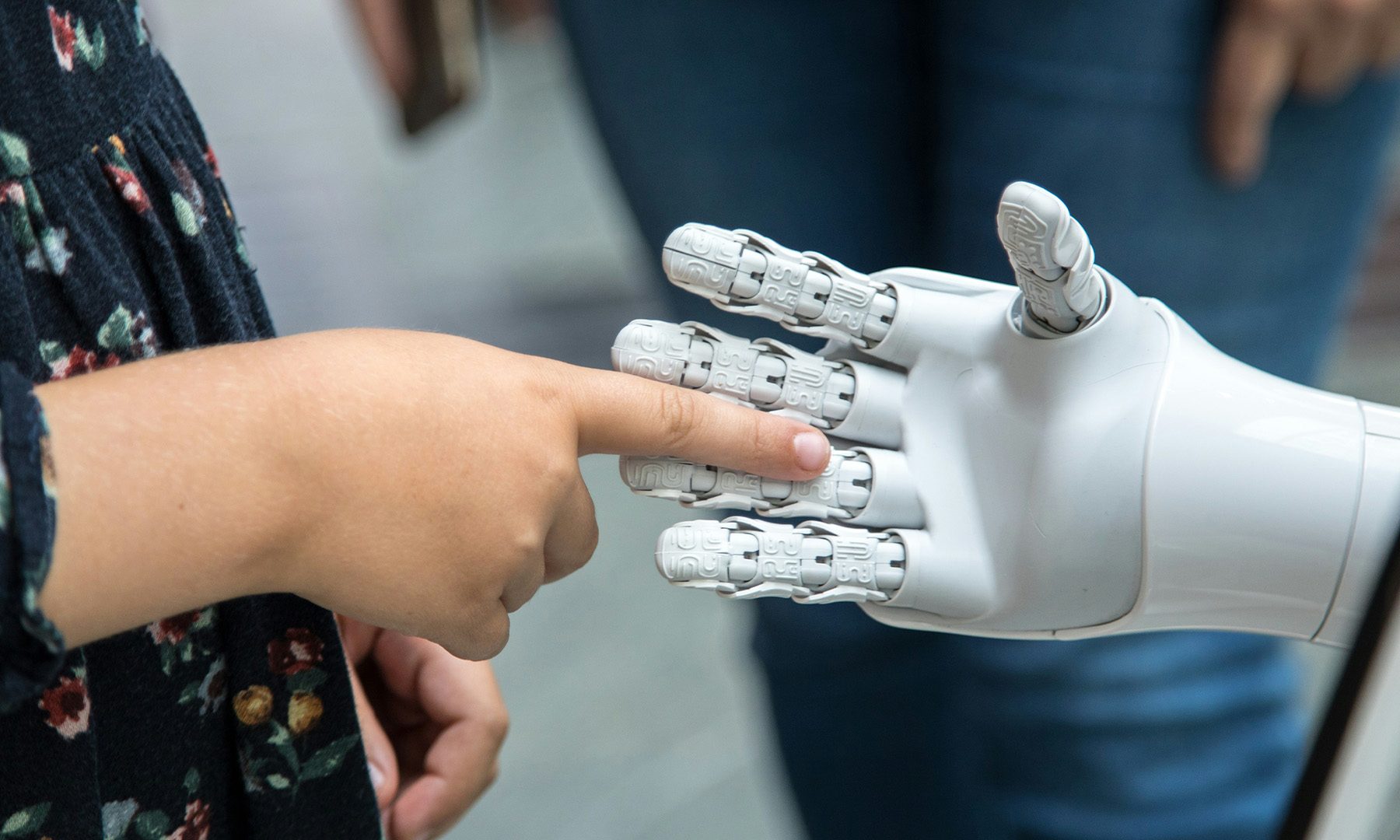
Robot Touch Human Finger

Samsung wants a place in the humanoid race, but its new robotics push begins with machines built for factories rather than homes.

The CEO-led RX robotics division will initially focus on manufacturing robots. Samsung has separately identified humanoids as a priority, although it hasn’t announced a commercial model or explained where one fits into the division’s immediate plans.

Read more
The future of AI may depend on this one behind-the-scenes change
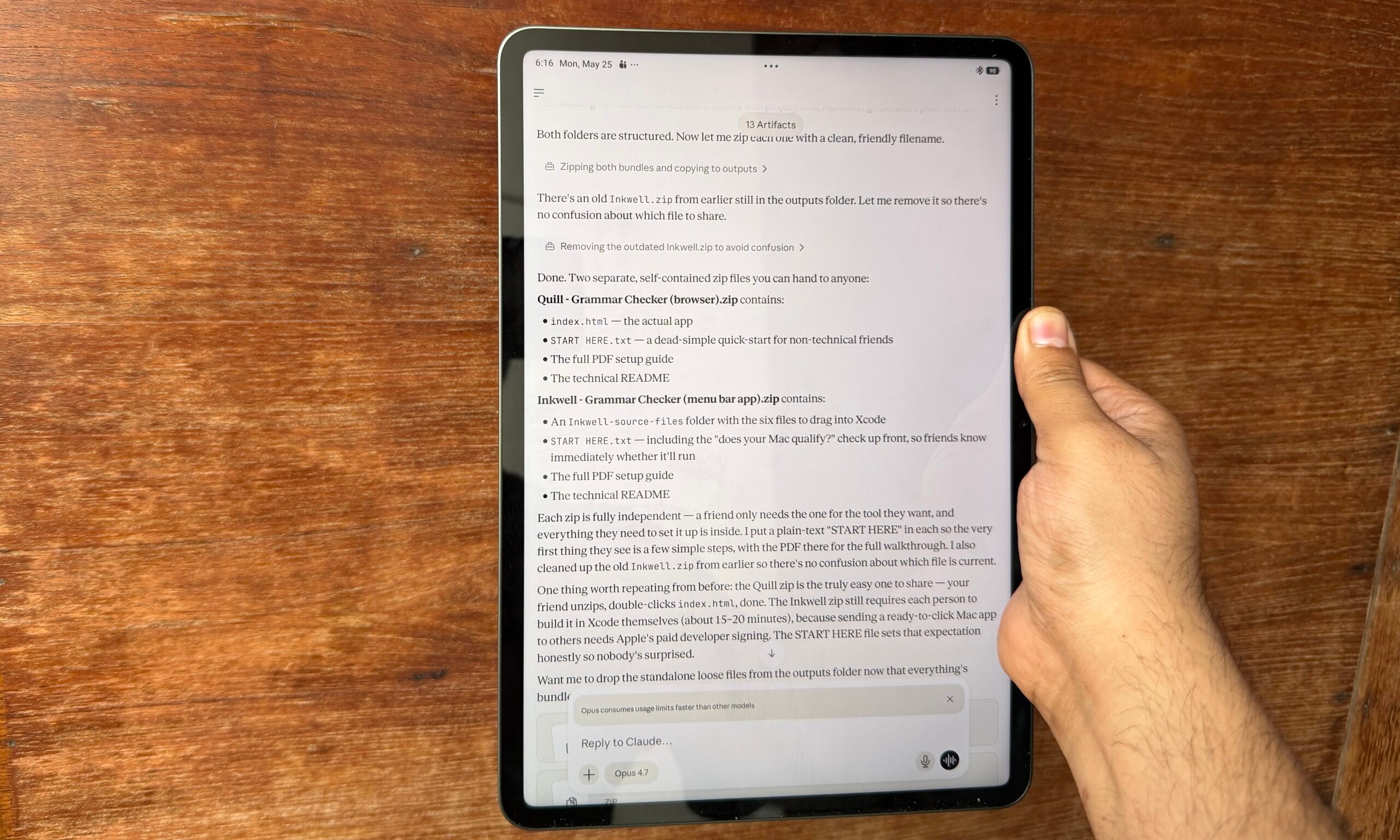
Running Claude on Android.

Whenever a new AI model arrives, it's easy to get caught up in the bells and whistles. We talk about how much smarter it is, how quickly it answers questions, or how realistic its images have become. But here's the thing: none of that matters much if the AI can't reliably work with the apps and services people use every day.

That's why an upcoming update to the Model Context Protocol (MCP) caught my attention. It isn't a new chatbot or a fancy AI model. In fact, most people will never even know it's happening. But it could quietly make the AI ecosystem a lot healthier. If you've never heard of MCP before, don't worry. Think of it as a shared language that lets AI assistants safely talk to apps like Gmail, Slack, calendars, databases, and countless other services. Instead of every company inventing its own way to make those connections, MCP gives everyone a common rulebook.

Read more
The AI game-dev boom has a dark side: fewer jobs for the people starting out
Solo creators are thriving with tools like Claude Code and Copilot, but entry-level game roles are disappearing.
Man playing a video game on a desktop with glowing red and blue lights

AI is making it easier than ever for a single person to build a game. That sounds like a win for creativity, and in many ways, it absolutely is. But there is a catch. As generative AI tools help solo developers and small studios do more with fewer people, the same shift is making life tougher for writers, artists, concept creators, and junior programmers trying to break into the gaming industry.

AI is giving solo developers superpowers

Read more