1. Home
  2. Emerging Tech
  3. Outdoors
  4. News

Fly over the water with the eFoil electric hydrofoil surfboard

Add as a preferred source on Google

The world may not be ready for the level of cool that is this electric surfboard. Meet the new eFoil from Puerto Rico-based company Lift Foils. It’s an electric-powered hydrofoil surfboard, or in layman’s terms, a flying surfboard. So if you thought surfing couldn’t get any more dope, think again.

The eFoil depends upon a submerged hydrofoil to lift the actual board of the surfboard completely out of the water when you’re going at speed. And what’s more, these boards actually have an electric motor in the hydrofoil itself so that you can just ride the water without actually doing any work. Think of it as an electric skateboard, but instead of shredding pavement, you’re shredding the glassy surface of the water.

Recommended Videos

eFoil’s battery packs quite a punch at two kilowatt hours, and it ought to get you a solid 45 minutes of hang time. Recharging the battery is also relatively speedy at two and a half hours.

Riders control the eFoil electric hydrofoil surfboard by way of a wireless handheld controller, which is connected to the board by Bluetooth. And if you drop it, don’t worry — as long as you’re not in the midst of any treacherous waves, you should be able to find the controller just fine as it’s designed to float above the water’s surface.

Capable of reaching top speeds of up to 25 miles per hour, the eFoil board comes in two sizes: the standard E1 eFoil and the E1 Sport model. “The standard eFoil is more stable with the bigger deck, while the smaller board is more nimble and turns quicker,” Lift Foils founder Nick Leason told New Atlas. No matter which model you choose, you can select from four colors — carbon black, carbon free, carbon blue, and carbon purple.

Despite the steep $12,000 price tag, the waitlist for this new age surfboard is already threatening to outpace production capacity. Lift Foils will begin producing these boards in September, and volume is expected to increase in October.

“We’ll be scaling up production one step at a time, and I’m currently bringing on additional suppliers for each of the components and we’ll continue to scale up production across 2018 in preparation for manufacturing a broader range in 2019,” said Leason. “The aim is to have a couple of different price points and a couple of boards with different construction materials. I’m hoping for a linear growth in our production capacity over the next few years.”


Lulu Chang
Fascinated by the effects of technology on human interaction, Lulu believes that if her parents can use your new app…
Yet another study says AI is bad for elections, and the rabbit hole gets worse
AI may be an election bomb waiting for someone to light the fuse
Voters cast their ballots on Election Day

Another election, another study has concluded that asking an AI chatbot for political guidance is a spectacularly bad idea. Research conducted during Hungary’s 2026 parliamentary election found that ChatGPT and Google Gemini offered not just inaccurate but also inconsistent and unreliable voting advice. The chatbots misclassified voter profiles, overlooked relevant parties, recommended parties absent from the ballot, and sometimes produced materially different answers when given the same information repeatedly.

AI keeps failing the voter test

Read more
Samsung’s humanoid robot ambitions are real, but factories come first
Samsung’s new robotics division has humanoids in its sights, although its immediate business is far more practical factory automation
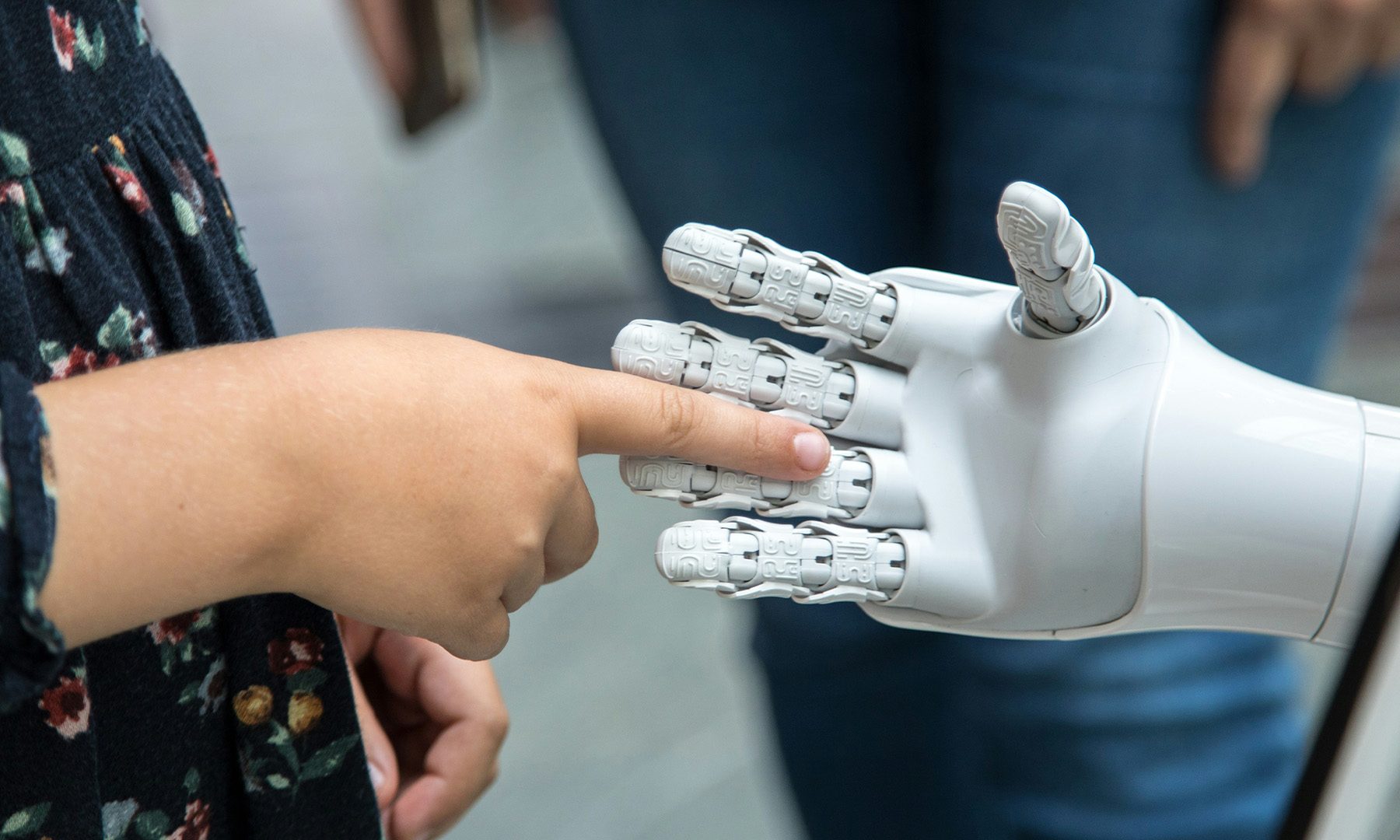
Robot Touch Human Finger

Samsung wants a place in the humanoid race, but its new robotics push begins with machines built for factories rather than homes.

The CEO-led RX robotics division will initially focus on manufacturing robots. Samsung has separately identified humanoids as a priority, although it hasn’t announced a commercial model or explained where one fits into the division’s immediate plans.

Read more
The future of AI may depend on this one behind-the-scenes change
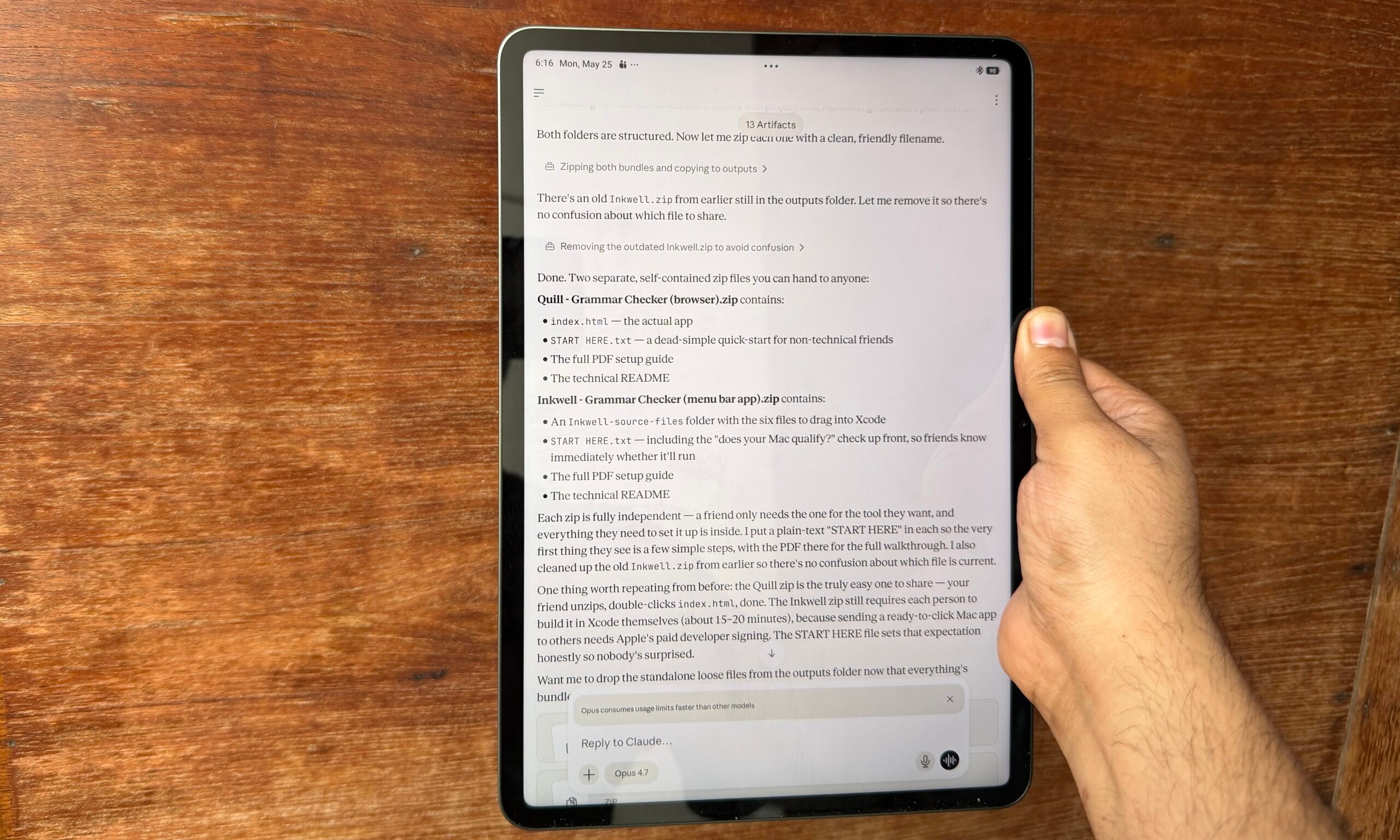
Running Claude on Android.

Whenever a new AI model arrives, it's easy to get caught up in the bells and whistles. We talk about how much smarter it is, how quickly it answers questions, or how realistic its images have become. But here's the thing: none of that matters much if the AI can't reliably work with the apps and services people use every day.

That's why an upcoming update to the Model Context Protocol (MCP) caught my attention. It isn't a new chatbot or a fancy AI model. In fact, most people will never even know it's happening. But it could quietly make the AI ecosystem a lot healthier. If you've never heard of MCP before, don't worry. Think of it as a shared language that lets AI assistants safely talk to apps like Gmail, Slack, calendars, databases, and countless other services. Instead of every company inventing its own way to make those connections, MCP gives everyone a common rulebook.

Read more