1. Home
  2. Emerging Tech
  3. News

Seataci superyacht concept mimics a whale’s tail-propulsion system

Add as a preferred source on Google

What do blue whales and 70-meter fast-displacement superyachts like Hessen’s Galactica Super Nova have in common? They can both cruise for long distances at 12-14 knots and top out at about 30 knots — using a similar propulsion system. The blue whale’s method of moving fast and far in the water inspired Charles Bombardier when he designed the biomimetic propulsion system for the Imaginactive Seataci superyacht concept.

Bombardier’s original vision for the Imaginactive Seataci superyacht came when he was scuba diving. He wondered about the possibility of eco-friendly propulsion systems for cruise ships that could navigate shallow waters. Bombardier was apparently thinking about how cruise ship passengers could view the underwater wonders without their vessel simultaneously destroying them.

Recommended Videos

Under further consideration, the designer/innovator realized the potential for such a craft used in scientific research and experimentation. The Seataci’s whale-tail-action engines would be located in retractable pods on either side of the vessel’s upper section.

According to Bombardier, with the biomimetic system, the Seataci could travel in shallow waters without damaging power and navigation components while likely making less underwater noise and possibly operating more efficiently than conventional propellers.

As envisioned by Bombardier, Seataci’s lower section would have expansive observation areas and some passenger cabins. Overall the Seataci concept as illustrated would have a dozen passenger cabins plus crew living quarters.

The design includes two large swimming pools and space for two personal drone landing pads on the top deck. He also foresees an application as a landing platform for drones to allow people to visit small islands without needing to dock or disperse tenders. With cruise ships more than research vessels in mind, Bombardier also envisioned tropical gardens around the pools.

The Seataci’s lower hull would use water as ballast to submerge or rise while the pods on the upper section of the ship would serve the dual purposes of stabilization and to keep the ride smooth. The scale of the structures would be large enough that passengers and crew could move into either pod for various raised views.

Bombardier acknowledges that developing a propulsion system of this type at a scale large enough to move a superyacht involves a significant risk. His argument is that because current propulsion systems are not eco-friendly and also restrict access to shallower waters, that if the oscillating system could work, the risk would be worth it.


Bruce Brown
Bruce Brown Contributing Editor   As a Contributing Editor to the Auto teams at Digital Trends and TheManual.com, Bruce…
Yet another study says AI is bad for elections, and the rabbit hole gets worse
AI may be an election bomb waiting for someone to light the fuse
Voters cast their ballots on Election Day

Another election, another study has concluded that asking an AI chatbot for political guidance is a spectacularly bad idea. Research conducted during Hungary’s 2026 parliamentary election found that ChatGPT and Google Gemini offered not just inaccurate but also inconsistent and unreliable voting advice. The chatbots misclassified voter profiles, overlooked relevant parties, recommended parties absent from the ballot, and sometimes produced materially different answers when given the same information repeatedly.

AI keeps failing the voter test

Read more
Samsung’s humanoid robot ambitions are real, but factories come first
Samsung’s new robotics division has humanoids in its sights, although its immediate business is far more practical factory automation
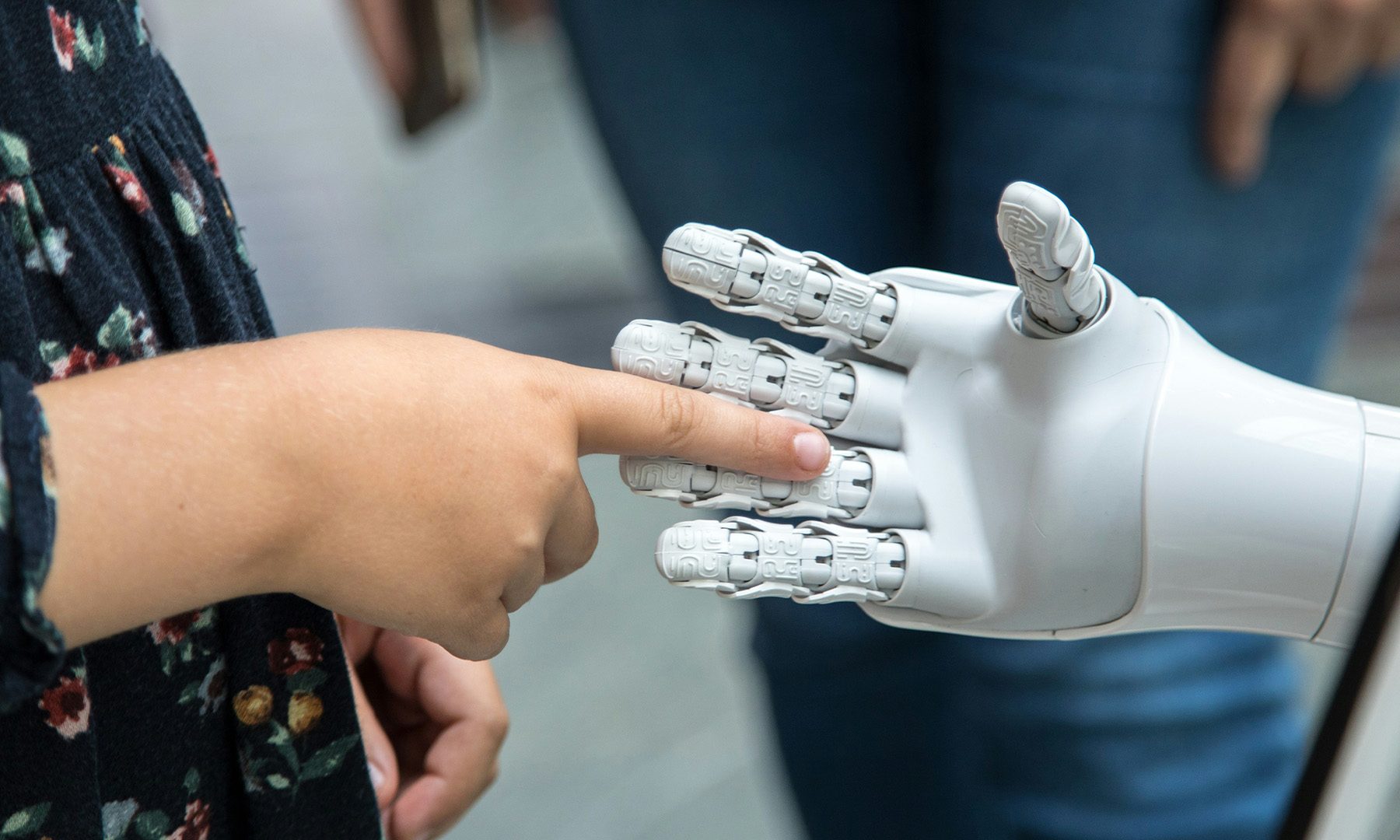
Robot Touch Human Finger

Samsung wants a place in the humanoid race, but its new robotics push begins with machines built for factories rather than homes.

The CEO-led RX robotics division will initially focus on manufacturing robots. Samsung has separately identified humanoids as a priority, although it hasn’t announced a commercial model or explained where one fits into the division’s immediate plans.

Read more
The future of AI may depend on this one behind-the-scenes change
Running Claude on Android.

Whenever a new AI model arrives, it's easy to get caught up in the bells and whistles. We talk about how much smarter it is, how quickly it answers questions, or how realistic its images have become. But here's the thing: none of that matters much if the AI can't reliably work with the apps and services people use every day.

That's why an upcoming update to the Model Context Protocol (MCP) caught my attention. It isn't a new chatbot or a fancy AI model. In fact, most people will never even know it's happening. But it could quietly make the AI ecosystem a lot healthier. If you've never heard of MCP before, don't worry. Think of it as a shared language that lets AI assistants safely talk to apps like Gmail, Slack, calendars, databases, and countless other services. Instead of every company inventing its own way to make those connections, MCP gives everyone a common rulebook.

Read more