1. Home
  2. Phones
  3. Android
  4. Mobile
  5. News

Fairphone ends support for first phone, cites discontinued parts as culprit

Add as a preferred source on Google

Fairphone, the company responsible for building modular, user-repairable smartphones with an eye on ethical production and consumption, has announced it is retiring support for its first phone.

The original Fairphone was launched in 2013, and the firm followed up with a second-generation device in late 2015. While it was the company’s objective to sell and support its products for as long as possible, it has encountered difficulties sourcing the same parts over the years.

Recommended Videos

A dwindling supply of batteries was one of the primary concerns, according to Fairphone CEO Bas Van Abel, who related the news in a post on the company’s blog.

“We’ve worked continuously to find new suppliers and convince them to keep making the parts,” Van Abel said. “For example, we’ve worked with two different manufacturers to try to keep batteries in stock. However, after exploring every option within our financial means, the minimum orders required to produce new batches of spare parts is beyond what we can afford.”

Ordinarily, suppliers and hardware manufacturers can discontinue components on almost a yearly basis. The pace of advance in the mobile industry is so quick that there’s little risk in ceasing production of last year’s silicon when next year’s phones are on the horizon.

Unfortunately for Fairphone, that cycle appears to have made it incredibly difficult to keep a reserve of parts accessible to customers. The company founded to counteract the waste and disposability of modern technology has become a victim of those very circumstances.

Disappointing as the situation may be, Van Abel has stressed that Fairphone has taken the lesson in stride. The Fairphone 2 was built in a more versatile fashion, to accommodate new parts once the originals are inevitably discontinued. And the company encourages those who have held onto their first-generation devices to keep them up and running for as long as possible, with the help of maintenance tips it has shared via email.

Earlier in the year, Android version 6.0 Marshmallow was released for the Fairphone 2. The device originally launched with Lollipop, so the update went a long way in ensuring the second-gen model will last an extra few years. At Mobile World Congress in February, Fairphone announced it had sold 70,000 spare parts to date, and that customers had a 95-percent success rate performing DIY fixes.

Adam Ismail
Former Contributor
Adam’s obsession with tech began at a young age, with a Sega Dreamcast – and he’s been hooked ever since. Previously…
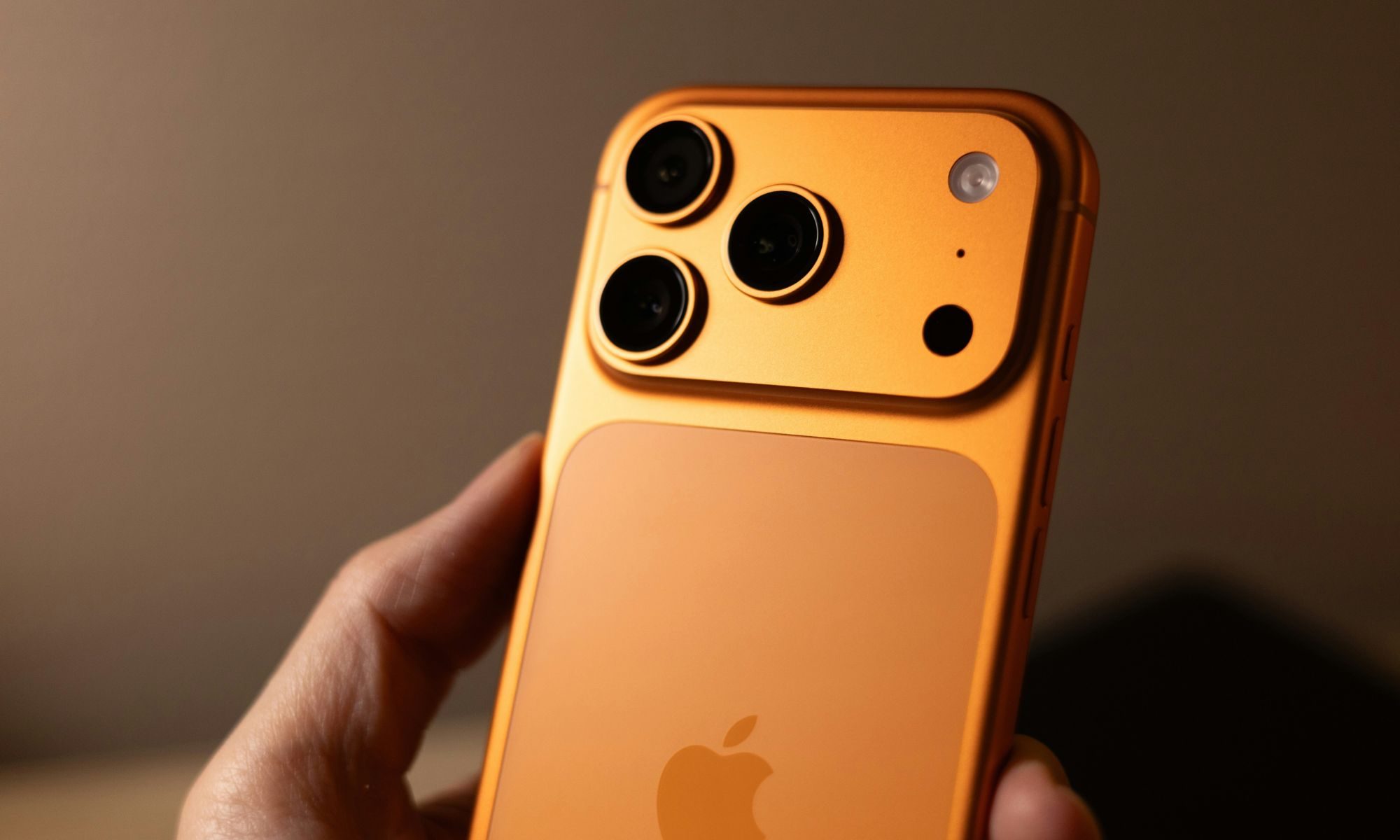
Apple’s next big iPhone display experiment could be its biggest yet
The company may be testing a 6.96-inch panel for a future flagship, although one leaker’s post is currently the only source for the exact measurement
iPhone 17 Pro Max

Apple may be testing a 6.96-inch display for a future iPhone, bringing its largest handset within a whisker of the 7-inch mark.

Leaker Digital Chat Station claims the experimental panel retains the same aspect ratio as Apple’s current Pro Max display. The post mentions the iPhone 20 Pro Max as a possible destination, but doesn’t connect the screen to a finished device. Apple could be exploring the size without putting it anywhere near a production line.

Read more
Vibecoded apps are flooding Apple’s App Store, and users are getting sick of them
App Store submissions have doubled this year as AI tools make it easier than ever to build an app, but downloads haven't kept pace, and for good reason.
Apple App Store homepage on an iPhone

Apple's App Store is in the middle of its steepest submission surge in years. Developers submitted nearly 600,000 new apps last year, marking a 30 percent jump over the previous year. That number has already doubled to roughly 560,000 new apps in just the first six months of this year, according to estimates from analytics firm Sensor Tower cited by the New York Times. The reason behind the spike is vibecoding, which allows people with no prior development experience to create new apps using AI tools.

A familiar boom, with a twist

Read more
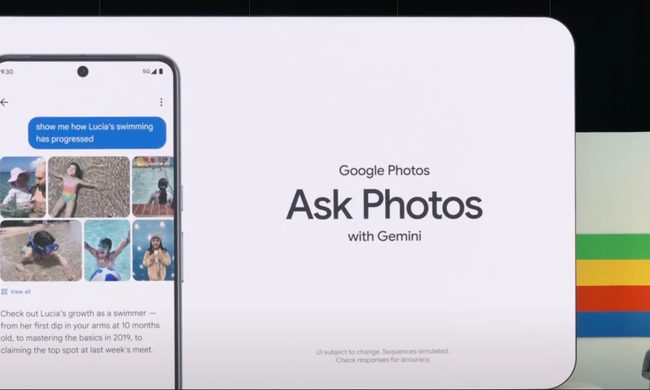
Google Photos adds a quick toggle between AI and classic search
Classic search is finally easier to reach for people who enabled Ask Photos
Google's Ask Photos debut.

Google Photos is giving users an easier way to leave its Gemini-powered search when a simple keyword would do. A new toggle now sits at the top of the results page, letting users switch between Ask Photos and classic search without digging through settings.

The change appears to address feedback from people who opted into Ask Photos but wanted a quicker way to return to classic search when Gemini was slower or less useful for a straightforward query.

Read more