1. Home
  2. Emerging Tech
  3. Health & Fitness
  4. News

Thanks to a Danish physicist, the world might soon be snacking on jellyfish chips

Add as a preferred source on Google

Alongside their love of hoodies and the word “disruption,” one way to recognize techies away from their computers is through their penchant for unusual foodstuffs. Whether it’s otherworldy recipes designed by AI, 3D-printed candy, or specially engineered red algae made to look like juicy shrimp, folks in tech like their culinary experience to be as cutting edge as their smartphones. Well, move over bleedable veggie burgers, because there may soon be a new snack in town: jellyfish chips.

Developed as part of physicist Mie Thorborg Pedersen’s master’s thesis at the University of Southern Denmark, the technique offers an alternative to the salting process that’s been used in Asian cultures for centuries. It involves extracting water from the jellyfish using a combination of kitchen salt and alum. Not only is the new technique considerably faster at producing an edible snack than the traditional 30-to-40-day drying-out process, but it also results in considerably tastier food — complete with crispy texture.

Image used with permission by copyright holder

“It is fascinating how you can turn a very slimy gel into a crispy chip,” Pedersen told Digital Trends. “We developed a method for preparing jellyfish for eating with inspiration from how gels behave in different solvents. When we immerse jellyfish in 96 percent ethanol we observe how the gel of the jellyfish collapse, in line with theories concerning gels. After 2 to 3 days we can then let the alcohol evaporate and get this paper-like jellyfish chip.”

Recommended Videos

The reason why the creation is so promising to Pederson and others is because it offers a potential new food source whose population has — contrary to other sources of overfished seafood — exploded in recent years. Jellyfish numbers are so great that, in some parts of the world, jellyfish-killing robots have been deployed to deal with the problem. (And it really is a problem: Nuclear power plants have been shut down as a result of swarms of jellyfish clogging up the pipes!)

“What makes this exciting is that people in the Western world are starting to look for alternative food sources such as insects, and the jellyfish is a supplement to this,” Pederson said.

A paper on the work was recently published in the International Journal of Gastronomy and Food Science.


Luke Dormehl
I'm a UK-based tech writer covering Cool Tech at Digital Trends. I've also written for Fast Company, Wired, the Guardian…
Yet another study says AI is bad for elections, and the rabbit hole gets worse
AI may be an election bomb waiting for someone to light the fuse
Voters cast their ballots on Election Day

Another election, another study has concluded that asking an AI chatbot for political guidance is a spectacularly bad idea. Research conducted during Hungary’s 2026 parliamentary election found that ChatGPT and Google Gemini offered not just inaccurate but also inconsistent and unreliable voting advice. The chatbots misclassified voter profiles, overlooked relevant parties, recommended parties absent from the ballot, and sometimes produced materially different answers when given the same information repeatedly.

AI keeps failing the voter test

Read more
Samsung’s humanoid robot ambitions are real, but factories come first
Samsung’s new robotics division has humanoids in its sights, although its immediate business is far more practical factory automation
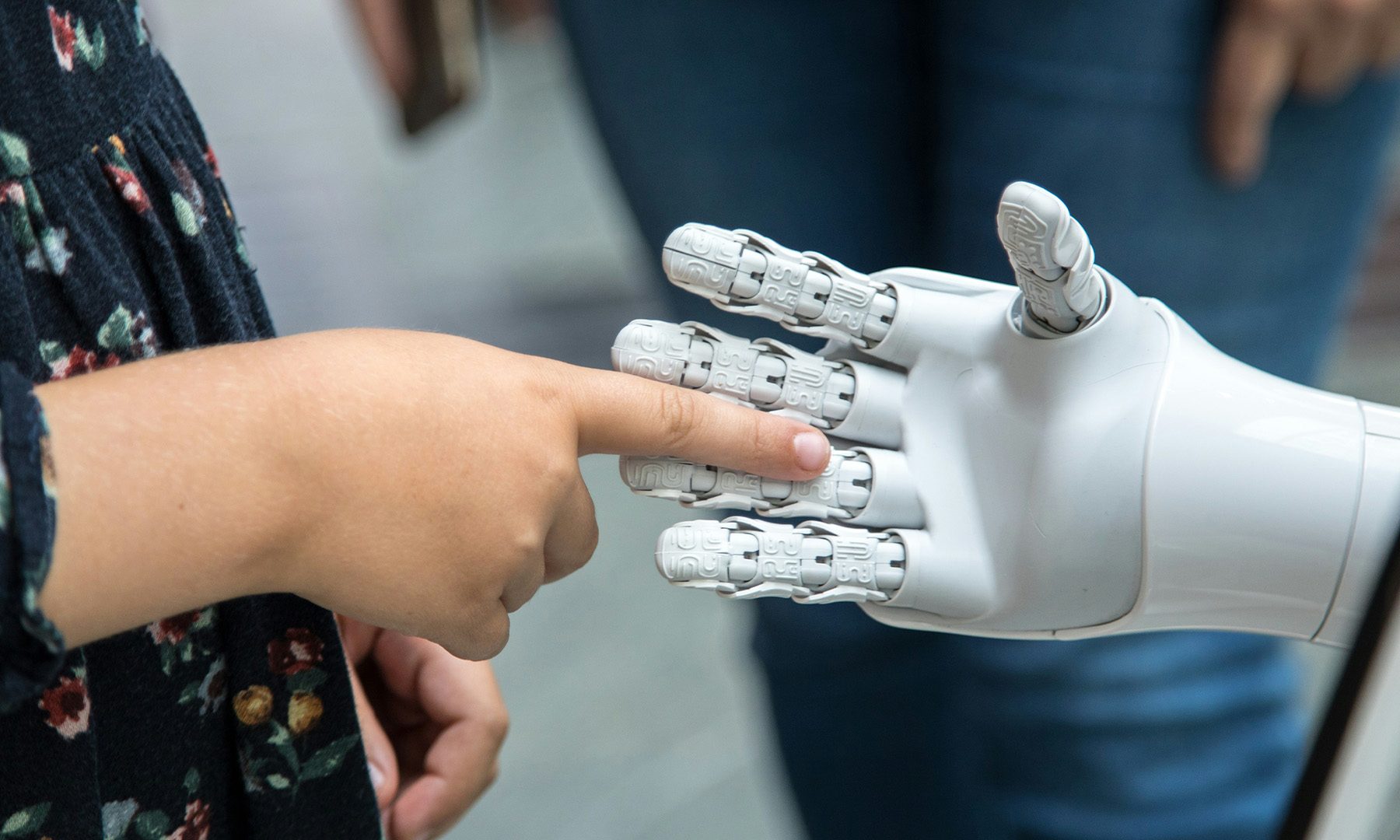
Robot Touch Human Finger

Samsung wants a place in the humanoid race, but its new robotics push begins with machines built for factories rather than homes.

The CEO-led RX robotics division will initially focus on manufacturing robots. Samsung has separately identified humanoids as a priority, although it hasn’t announced a commercial model or explained where one fits into the division’s immediate plans.

Read more
The future of AI may depend on this one behind-the-scenes change
Running Claude on Android.

Whenever a new AI model arrives, it's easy to get caught up in the bells and whistles. We talk about how much smarter it is, how quickly it answers questions, or how realistic its images have become. But here's the thing: none of that matters much if the AI can't reliably work with the apps and services people use every day.

That's why an upcoming update to the Model Context Protocol (MCP) caught my attention. It isn't a new chatbot or a fancy AI model. In fact, most people will never even know it's happening. But it could quietly make the AI ecosystem a lot healthier. If you've never heard of MCP before, don't worry. Think of it as a shared language that lets AI assistants safely talk to apps like Gmail, Slack, calendars, databases, and countless other services. Instead of every company inventing its own way to make those connections, MCP gives everyone a common rulebook.

Read more