1. Home
  2. Computing
  3. Emerging Tech
  4. Web
  5. News

'Smell of Data' device sends out an odor when your data is leaking

Add as a preferred source on Google

At this point, everyone should know how important it is to stay safe online — if you fall for a phishing scam or similar, you are liable to end up having your identity stolen, which can have some pretty serious consequences. That said, personal security is only one facet of a bigger problem. We have seen sites and services hit by hackers all too often.

When online criminals target an organization, they are often able to gain access to lots user accounts at once, rather than just going after individuals. Sites like Have I Been Pwned? have been set up to allow users to check out whether their accounts have been compromised in the wake of a large-scale breach. Now, a new project called the Smell of Data aims to give internet users moment-to-moment updates on whether their private information is at risk of being leaked.

Recommended Videos

“The Smell of Data is a new scent developed as an alert mechanism for a more instinctive data,” explains a video on the project’s official website. “Smell data? Beware of data leaks. They can lead to privacy violation, behavior control, and identity theft.”

To utilize the Smell of Data, a scent dispenser is charged with the specially developed fragrance, and then connected to a smartphone, tablet, or computer via Wi-Fi. The device is able to detect when a paired system attempts to access an unprotected website on an unsecured network and will emit a pungent puff of the Smell of Data as a warning signal.

The concept is inspired by odorless, flammable gases that present a major safety risk without any external indicators. In 1937, an explosion at the New London School in Texas killed 295 people, prompting authorities to add a smell to these gases in order make leaks easier to detect. The Smell of Data works on a similar principle.

This project uses an outlandish idea to get across something very important and actionable: Just like an odorless gas leak, it is easy to turn a blind eye to our digital security. Accessing unprotected sites via unsecured networks is a risk, but it is one that many of us would take without much trepidation.

Brad Jones
Brad is an English-born writer currently splitting his time between Edinburgh and Pennsylvania. You can find him on Twitter…
Framework Desktop packs Ryzen AI Max, up to 192GB of RAM, and local AI into a mini PC
192GB of RAM in a desktop this small? Framework says yes.
Framework Desktop feature

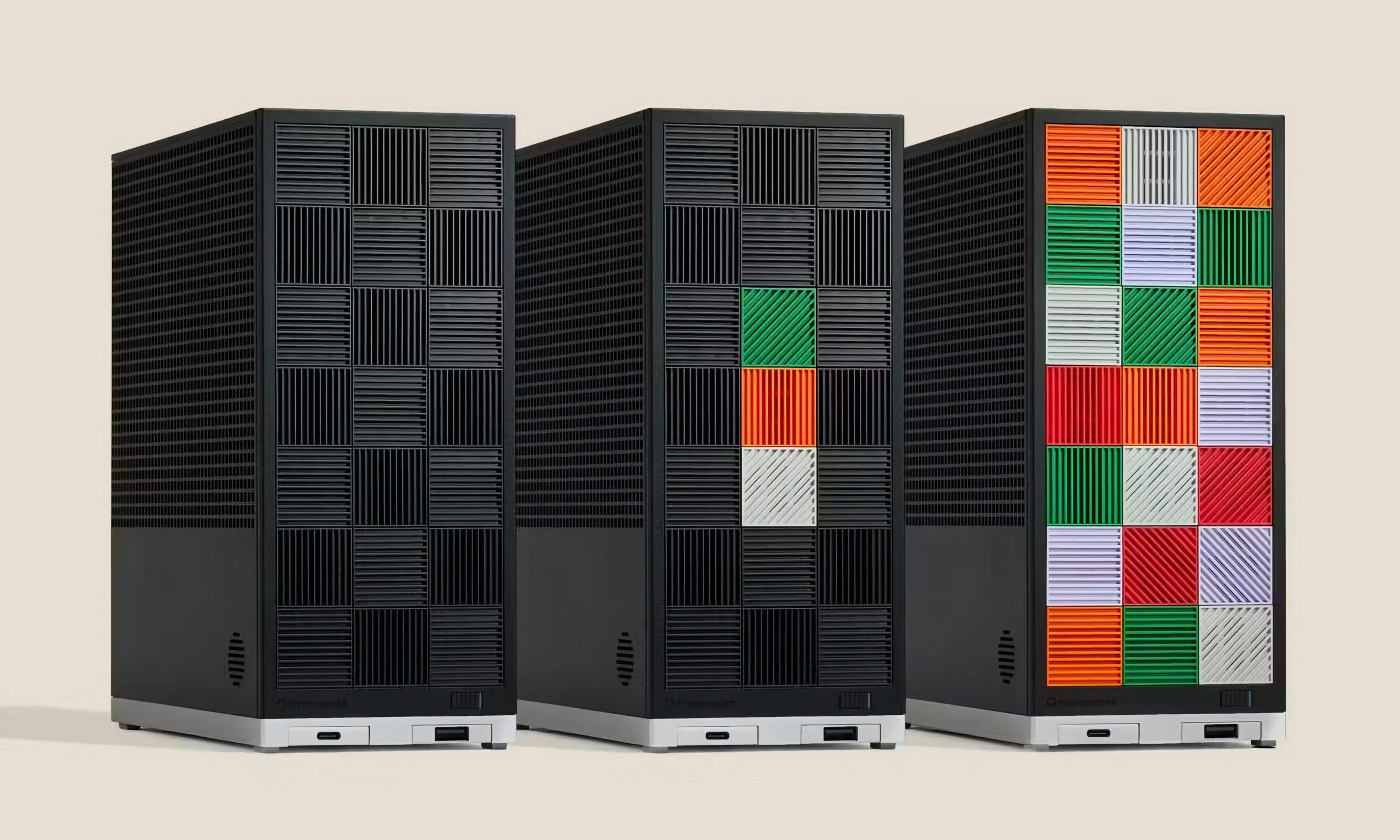
Framework has built a reputation for shipping things other PC makers won't even attempt, and its latest teaser keeps that streak alive. At AMD's Advancing AI event, the company previewed a new version of its Framework Desktop, and this one is clearly built with one goal in mind: running large AI models locally on your computer. If you have been eyeing a way to run local AI, this could be the machine to watch.

So what's actually new here?

Read more
AI is becoming the shoulder we cry on, and that worries me
Chatbots are learning to generate comfort now
Siri AI voice change

I expected artificial intelligence to be faster in performing calculations or data analysis than humans. But emotional support is one of the last things I could imagine it being better at. New research led by the University of Manchester, alongside Durham University, found that leading AI chatbots could match or sometimes outperform humans when responding to everyday emotional problems. The researchers conducted five studies involving 1,233 participants and tested responses from ChatGPT-4o, Claude 3.5 Sonnet, and Gemini 1.5 Pro.

The researchers conducted five studies involving 1,233 participants and tested responses from ChatGPT-4o, Claude 3.5 Sonnet, and Gemini 1.5 Pro. Participants evaluated messages responding to situations such as being passed over for a promotion or returning to an untidy shared home. They were initially kept unaware of whether each response came from a person or an AI system.

Read more
You can now buy a computer mouse controlled entirely by your tongue
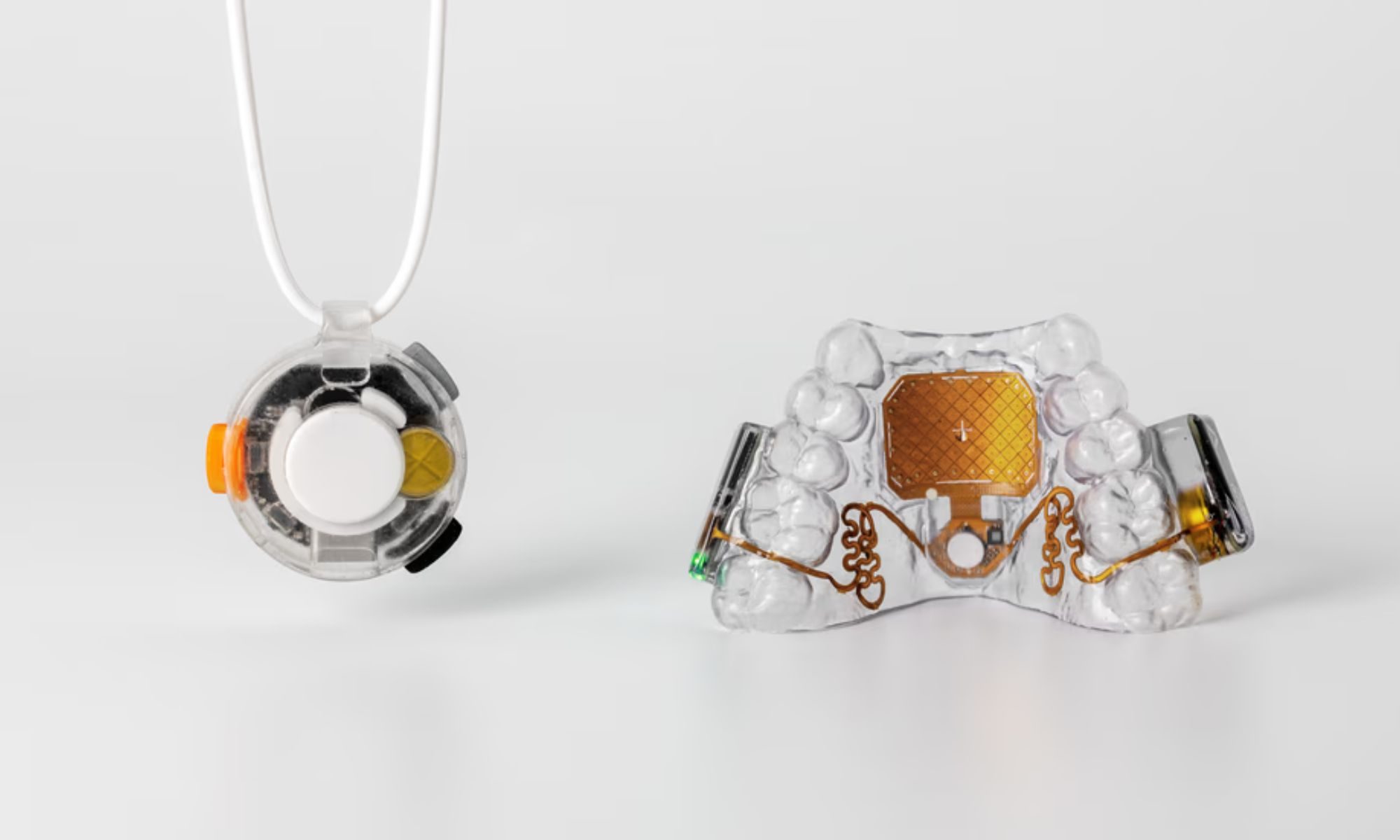
Augmental has opened public sales of the MouthPad, and introduced a new wearable that lets you type hands-free.
Augmental MouthPad and Vox featured

Augmental first showed off its tongue-controlled MouthPad as a CES curiosity in 2024. Today, the device is a real product you can buy, with the company opening public US sales alongside a beta release of Vox, a companion wearable built to handle the typing half of Augmental's hands-free computing promise.

A retainer that doubles as a mouse

Read more