1. Home
  2. Computing
  3. News

FTC won’t stop Lenovo and others from selling adware-infected hardware

Add as a preferred source on Google

In a court settlement, the United States Federal Trade Commission (FTC) has made it clear that it won’t stop Lenovo and other tech companies from shipping electronics with preinstalled adware. It will enforce a new measure of transparency, however, which will require any companies that do so to make it clear to customers what is being installed and that it needs their consent to continue.

This settlement stems from a 2015 incident in which Lenovo laptops were found to contain a piece of adware called VisualDiscovery, developed by Superfish. The adware would hijack encrypted web sessions to serve adverts and gather user data. While that was problematic in its own right, it also made users vulnerable to man-in-the-middle attacks.

Recommended Videos

Although Lenovo has since stopped preinstalling VisualDiscovery, the eventual result of the FTC complaint won’t stop it from doing so in the future. What it will do is force the Chinese manufacturer to submit to audits of its preinstalled software. It will also need to help customers understand in a “clear and conspicuous” manner, so they can opt out of installing any such software. Giving consent for its installation must be easy to do and understandable for “ordinary consumers.”

Lenovo has disagreed with the allegations from the start and denies all wrongdoing as part of the settlement. It also highlighted that it removed VisualDiscovery after “learning of the issues, in early 2015” and announced a policy of reducing the number of third party programs preinstalled on its systems after this incident.

While there are some concerns that the ruling doesn’t prevent Lenovo from requiring installation for full use of its hardware, it does at least mean that everyone who buys from the company will know what they’re getting into. Likewise, Lenovo will find it much harder to install anything nefarious or malicious if its third-party software is subject to audits on occasion too.

Even if the company’s statement doesn’t reflect much wrongdoing in this instance, shortly after the initial incident, the CTO of Lenovo publicly apologized and made it clear that the company had made a mistake. Whether it learns from it now that it’s had its wrist slapped is anyone’s guess.

Jon Martindale
Jon Martindale covers how to guides, best-of lists, and explainers to help everyone understand the hottest new hardware and…
Framework Desktop packs Ryzen AI Max, up to 192GB of RAM, and local AI into a mini PC
192GB of RAM in a desktop this small? Framework says yes.
Framework Desktop feature

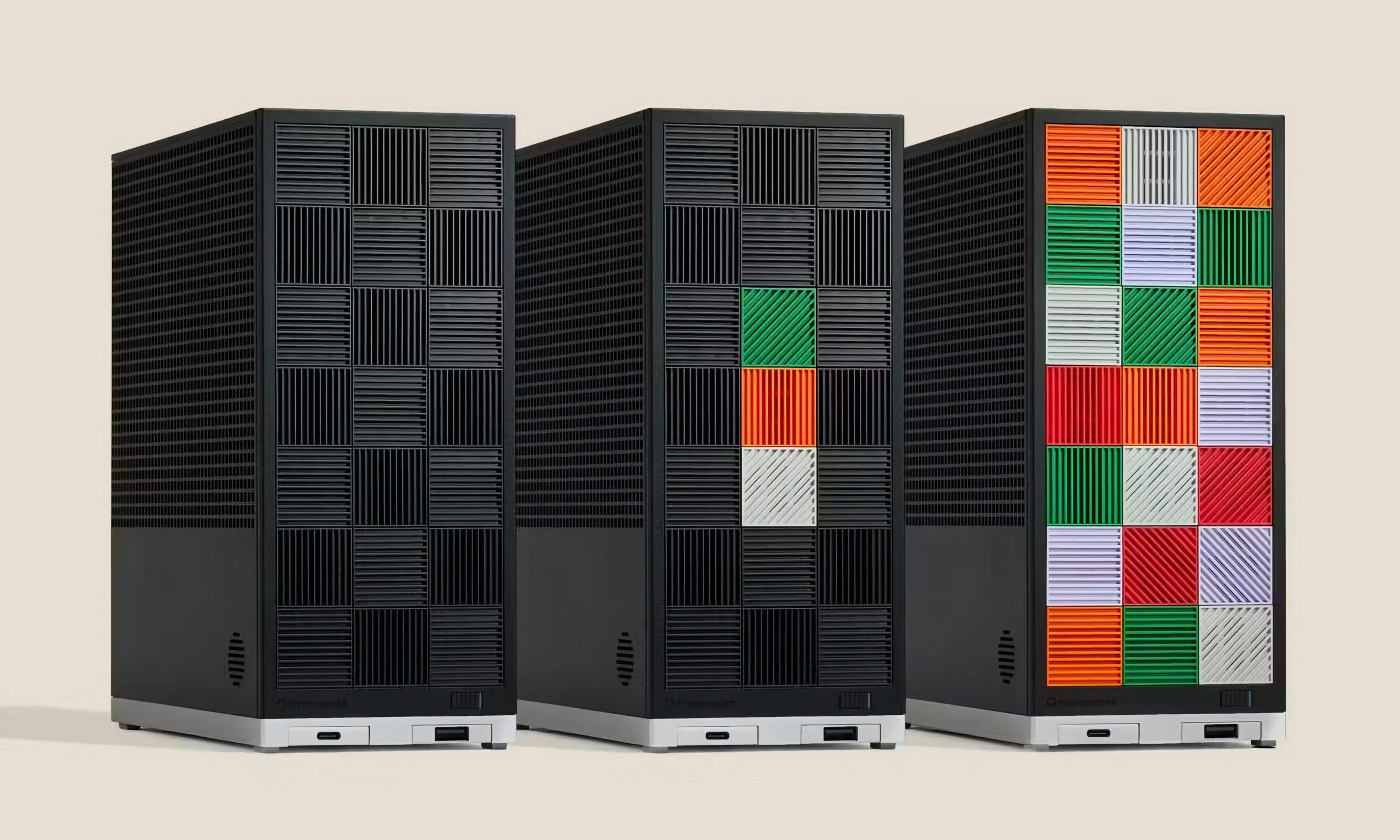
Framework has built a reputation for shipping things other PC makers won't even attempt, and its latest teaser keeps that streak alive. At AMD's Advancing AI event, the company previewed a new version of its Framework Desktop, and this one is clearly built with one goal in mind: running large AI models locally on your computer. If you have been eyeing a way to run local AI, this could be the machine to watch.

So what's actually new here?

Read more
AI is becoming the shoulder we cry on, and that worries me
Chatbots are learning to generate comfort now
Siri AI voice change

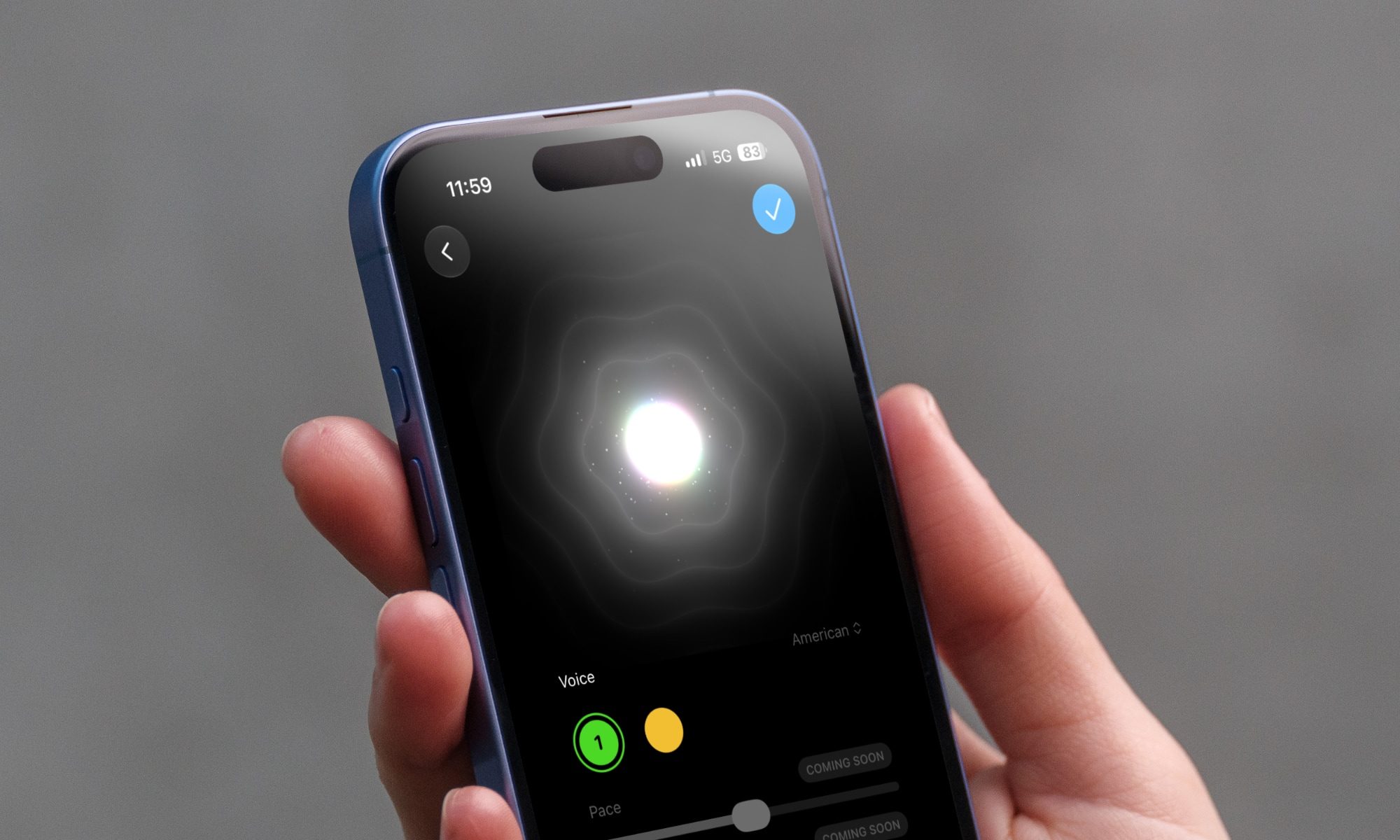
I expected artificial intelligence to be faster in performing calculations or data analysis than humans. But emotional support is one of the last things I could imagine it being better at. New research led by the University of Manchester, alongside Durham University, found that leading AI chatbots could match or sometimes outperform humans when responding to everyday emotional problems. The researchers conducted five studies involving 1,233 participants and tested responses from ChatGPT-4o, Claude 3.5 Sonnet, and Gemini 1.5 Pro.

The researchers conducted five studies involving 1,233 participants and tested responses from ChatGPT-4o, Claude 3.5 Sonnet, and Gemini 1.5 Pro. Participants evaluated messages responding to situations such as being passed over for a promotion or returning to an untidy shared home. They were initially kept unaware of whether each response came from a person or an AI system.

Read more
You can now buy a computer mouse controlled entirely by your tongue
Augmental has opened public sales of the MouthPad, and introduced a new wearable that lets you type hands-free.
Augmental MouthPad and Vox featured

Augmental first showed off its tongue-controlled MouthPad as a CES curiosity in 2024. Today, the device is a real product you can buy, with the company opening public US sales alongside a beta release of Vox, a companion wearable built to handle the typing half of Augmental's hands-free computing promise.

A retainer that doubles as a mouse

Read more