1. Home
  2. Cars
  3. News

It’s not self-driving, but this electric VW six-seater is a smart solution for urban mobility

Add as a preferred source on Google

Autonomy has been heralded as the future of the ridesharing model, but Volkswagen is offering a different (but no less high-tech) solution. While these new VW buses can’t drive themselves, they’re unique in their own way — you see, Volkswagen’s MOIA division (which focuses on urban mobility) has just unveiled a brand new all-electric car that can transport up to six people from Point A to Point B. Slated to make its debut in Hamburg, Germany next year, this new six-seater comes with built-in onboard Wi-Fi, USB ports, dimmable interior lighting, and luggage storage next to the driver rather than in the trunk to provide optimal leg and passenger room for folks in the back.

Meant for folks who will be either carpooling or ridesharing, the new vehicle boasts a range of around 186 miles on a single charge, and requires just 30 minutes to reach 80 percent of its battery capacity. It’s taken MOIA just 10 months to design and build the car thus far, and the company attributes this success to the “agile design processes at Volkswagen’s Onsnabrück plant.” It also reflects the pressure on the auto industry to adapt quickly to an increasingly dynamic landscape, where customer needs and expectations are ever evolving.

Recommended Videos

200 of the all-electric vans are expected to hit Hamburg’s streets in the second half of 2018, and the hope is that MOIA will soon be able to roll out its electric vehicles (along with its companion ride-hailing app) internationally. Ole Harms, chief executive of the MOIA division, said on Monday at the TechCrunch Disrupt conference in Berlin that he expects MOIA services to replace one million cars across Europe and the U.S. by 2025.

Here's a look at the interior of a MOIA vehicle #TCDisrupt pic.twitter.com/Re0aOFCYKJ

— TechCrunch (@TechCrunch) December 4, 2017

“We want to offer solutions for traffic problems such as congestion, air pollution, noise, and lack of space,” Harms said in a keynote speech. While pricing has yet to be announced, Harms suggested that the company is currently looking into what different pricing tiers would mean for customers and businesses alike. That said, he did stress that the company is not looking to undercut existing public transportation systems. “We are operating with full respect of the public system,” Harms said. “We don’t want to get below the public transport system because then we would take people who are already pooled in a bigger vessel into a smaller one.”

Lulu Chang
Fascinated by the effects of technology on human interaction, Lulu believes that if her parents can use your new app…
Waymo’s driverless cars keep getting parking tickets in Austin, and humans aren’t the only ones complaining
Waymo vehicles have collected $9,325 in Austin fines as repeated parking mistakes turn into a fleet-wide operational problem
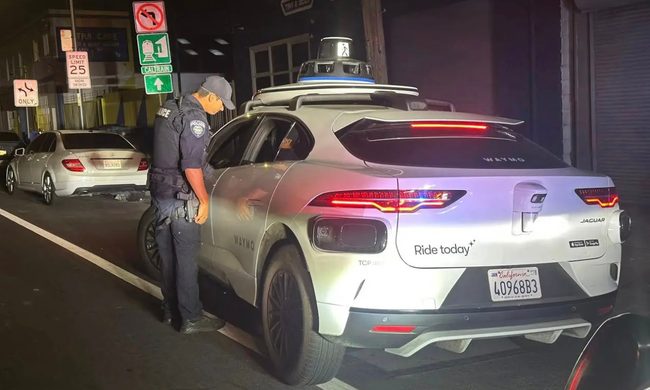
A police officer investigating an empty Waymo car.

Waymo’s 83 parking citations in Austin don’t amount to a financial crisis. They do reveal what happens when the same driving decisions are repeated across an autonomous fleet.

City records obtained by The Wall Street Journal show that Waymo vehicles have accumulated $9,325 in fines since arriving in 2024. The company has paid most of them, but the more revealing detail is how often its cars have made the same mistake.

Read more
Google Maps’ biggest Android Auto upgrade is reaching more users
Google Maps is finally giving Android Auto users directions with a little more drama.
Electronics, GPS, Car

Google is widening the rollout of two long-awaited Google Maps features for Android Auto users: Immersive Navigation and a built-in live speedometer. After months of limited availability, reports suggest both features are now reaching a broader group of users, including people running stable versions of Google Maps instead of beta builds.

The update is part of Google's ongoing effort to modernize the Android Auto navigation experience. While the company unveiled Immersive Navigation earlier this year as one of the platform's biggest upgrades in years, the feature has been trickling out slowly, leaving many users without access. That appears to be changing, with more devices now receiving the update through a server-side rollout.

Read more
Tesla’s hidden door problem might end up fixing every car in America
This could permanently change how emergency exits are designed in American passenger vehicles.
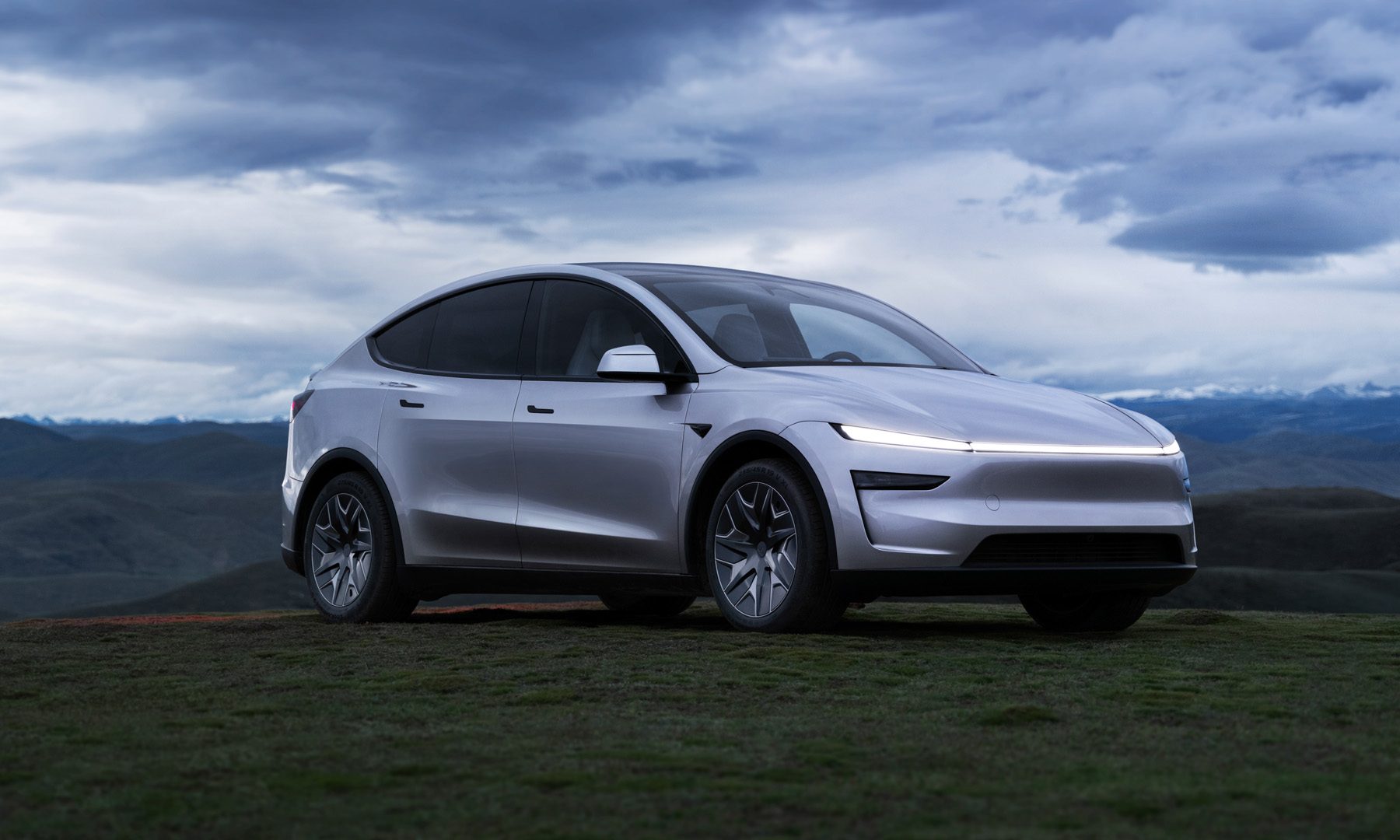
Tesla Model Y Long Wheelbase Featured

Tesla's electronic door handles have been a safety talking point for years, mostly on Reddit threads and EV forums where people debate whether sleek design is worth the tradeoff when a car is on fire and power is out. 

Now the US government has formally weighed in (via The Washington Post). The outcome, I’d say, is bigger than most people think.

Read more