1. Home
  2. Emerging Tech
  3. News

Open source suicide: This 3D-printable ‘death pod’ provides painless euthanasia

Add as a preferred source on Google

Death isn’t a subject we talk about too often in tech. It’s a world where CEOs are already onto their second startup at age 21, billionaires are minted at 30, and people plan to retire long before their bodies start physically failing them. Even when we do discuss old age, it’s more likely to be in the context of ways to extend life — or cheat death altogether by uploading the mind into a machine.

Dr. Philip Nitschke is concerned about a different aspect, though. He is one of the most outspoken proponents of euthanasia, referring to deliberate intervention taken by a person to end his or her life to relieve suffering. And as the founder and director of the pro-euthanasia group Exit International, he is using tech to help his cause. Working alongside Netherlands engineer Alexander Bannick, Nitschke developed a 3D-printed euthanasia machine called Sarco which, he claims, could serve a valuable social purpose.

Recommended Videos

“The Sarco has been developed specifically to provide a peaceful and reliable death for a rational adult without the need for specific medical or technical assistance,” Nitschke told Digital Trends. “This is important as, while suicide is legal in many jurisdictions, assisting a suicide is a serious crime. With Sarco, no assistance is required.”

Prior to using the machine, users would have to complete an online questionnaire in order to establish their mental competency. After this, they receive a four-digit access code which opens the device. In the chamber, they can start it using voice recognition, the press of a button, or even a series of blinks for paralyzed individuals. Liquid nitrogen is then used to trigger a drop in oxygen, which Bannick says is a “common method used by those seeking a peaceful elective death.” The capsule, which attaches from its base, can be used as a coffin.

“We [currently] have an accurate 1:7 model 3D printed for our launch in Toronto in October at the Exit NuTech ‘New Technologies for a Peaceful Death’ conference,” Nitschke continued. “The next step is a 1:1 working model as a display, and also to test programming for the 3D-printed version. On completion and testing, it will be made open-source. Exit International has no interest in financial gain from the development, and sale of such a device would lead to inevitable criticism for profiteering over death. The only cost will be in the printing, and the sourcing of the [liquid nitrogen.]”

There will no doubt be plenty of controversy about the creation of Sarco, just as there is around the wider topic of euthanasia. But it’s definitely an example of open-source 3D-printing models we’ve not considered before.

Luke Dormehl
I'm a UK-based tech writer covering Cool Tech at Digital Trends. I've also written for Fast Company, Wired, the Guardian…
Claude can now join your Slack channels and work alongside your team
Laptop running Claude Fable

For years, AI assistants have been siloed. You open ChatGPT, Claude, Gemini, or Copilot, type a prompt, get an answer, and move on. Anthropic's new Claude Tag feature takes a different approach. Instead of making employees jump into a separate AI chat every time they need help, it brings Claude directly to where many teams already spend their day: Slack.

Add Claude to a channel, grant it access to needed tools, and tag @Claude for help — whether analyzing data, writing reports, reviewing code, or investigating incidents. But Claude Tag isn't just another chatbot integration. Its key differentiator is that Anthropic positions it as a digital coworker for your team, enabling seamless collaboration where multiple users can jointly interact with the same AI within their work environment.

Read more
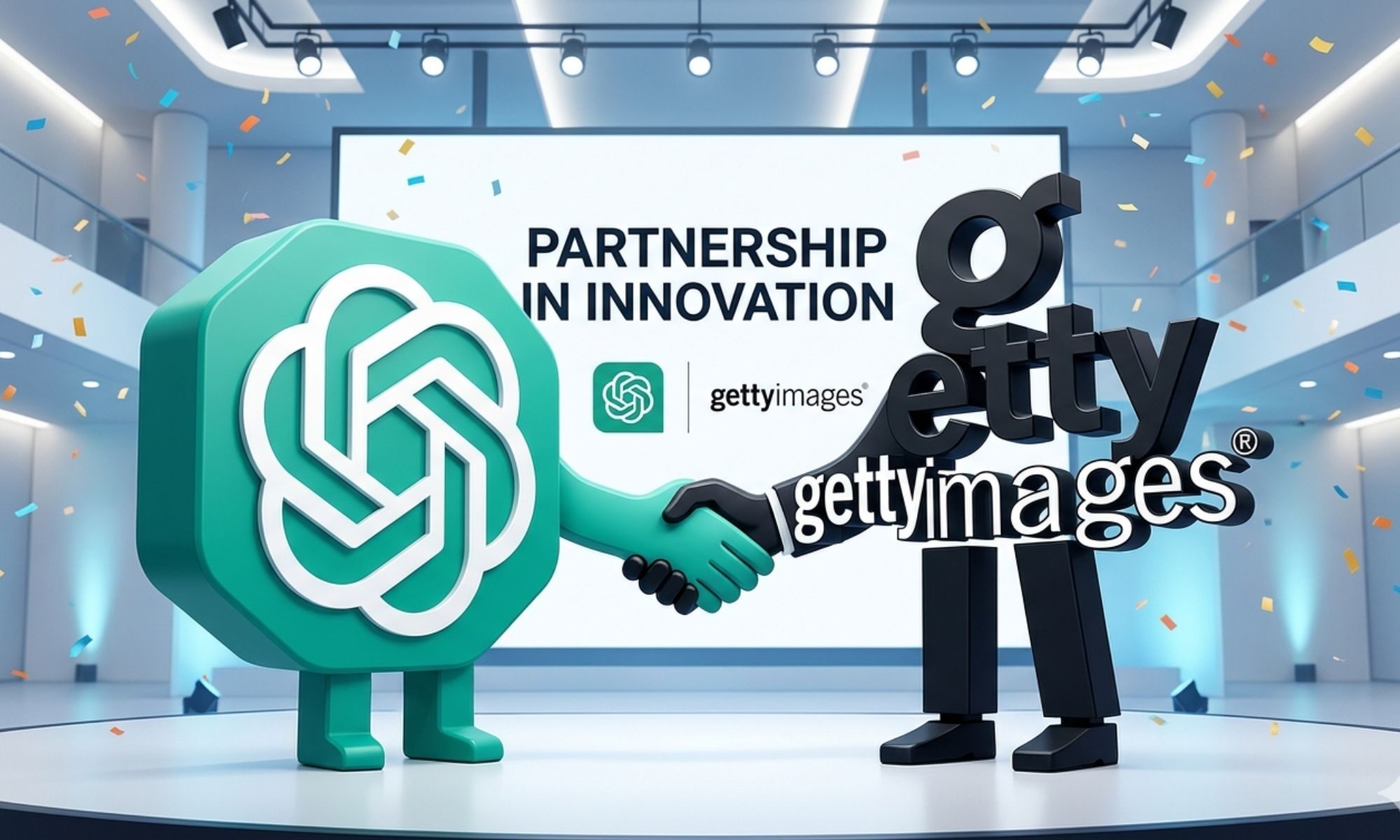
Getty Images accused AI of wholesale theft. It’s now an official ChatGPT image partner.
Advertisement, Shop, Clothing

The AI industry's most fascinating stories often come from unlikely alliances, and this is certainly one of them. Getty Images, a company that has spent years raising concerns about how AI models are trained and how creative work is used, is now officially partnering with OpenAI.

The new agreement will allow Getty Images' licensed content to appear across ChatGPT's search and discovery experiences. That means users may begin seeing Getty's professionally licensed photos and visual assets integrated into ChatGPT responses, adding more visual context to searches and AI-generated answers. Getty says the goal is to make AI-powered search more useful and trustworthy by relying on high-quality, licensed content rather than the murky sourcing practices that have sparked countless debates across the AI industry.

Read more
Timekettle’s new X1 Meeting Hub does real-time translation for 50 people and fits in your pocket
Fifty participants, five languages, one 199-gram hub, and no booth required.
Electronics, Screen, Computer Hardware

Professional conference interpretation setups are notoriously painful. Dedicated booths, trained interpreters, bulky hardware, and a bill at the end of every month that makes you rethink whether the meeting was even required in the first place. 

Timekettle wants to collapse all of that into a single hub that weighs 199 grams (less than modern flagship smartphones). The company just launched the X1 Meeting Interpreter Hub. 

Read more