1. Home
  2. Computing
  3. News

DARPA funds unhackable computer project to replace ‘patch-and-pray’ solutions

Add as a preferred source on Google

In its search for hardware solutions to cyberintruders, the Defense Advanced Research Projects Agency (DARPA) awarded a $3.6 million grant to the University of Michigan. The grant funds a team of UM computer scientists and engineers who are developing Morpheus, a new approach to hardware design capable of creating an unhackable computer.

The Morpheus grant is one of several DARPA awarded in a search for hardware cybersecurity solutions in April 2017. The grant program is part of  DARPA’s System Security Integrated Through Hardware and Firmware (SSITH) initiative. Despite its Star Wars-sounding name, SSITH is real, serious, and of vital importance today. Software security solutions don’t cut it anymore.

Recommended Videos

“Security for electronic systems has been left up to software until now, but the overall confidence in this approach is summed up in the sardonic description of this standard practice as ‘patch and pray,’” said Linton Salmon, SSITH program manager from DARPA’s Microsystems Technology Office.

What we need, according to Salmon, is smarter hardware. “This race against ever more clever cyberintruders is never going to end if we keep designing our systems around gullible hardware that can be fooled in countless ways by software.”

Morpheus team leader Todd Austin claims the project will be future proof. MORPHEUS hardware design concepts center around constant data movement. Information is moved and destroyed randomly and rapidly. If a would-be cyberintruder discovers a bug or a weakness in the design, by the time the intruder designs a way to attack and take over the system the data is no longer in its original location.

“We are making the computer an unsolvable puzzle,” Austin said. “It’s like if you’re solving a Rubik’s Cube and every time you blink, I rearrange it.”

According to Austin, if hackers can’t retrieve the information required to put together an attack, the result is protection for both hardware and software.

DARPA wants protection against seven major classes of hardware weakness within five years. The classes are permissions and privileges, buffer errors, resource management, information leakage, numeric errors, crypto errors, and code injection.

According to UM’s Austin, when Morpheus is fully developed the program will be able to make those classes of attacks impossible.

Bruce Brown
Bruce Brown Contributing Editor   As a Contributing Editor to the Auto teams at Digital Trends and TheManual.com, Bruce…
A metallic Hall effect keyboard and a 59g mouse are Lenovo’s latest upgrades for snazzy gaming setups
The Legion R7 RT75 keyboard and Y7MG mouse bring 8K polling to both sides of your gaming setup
Computer, Computer Hardware, Computer Keyboard

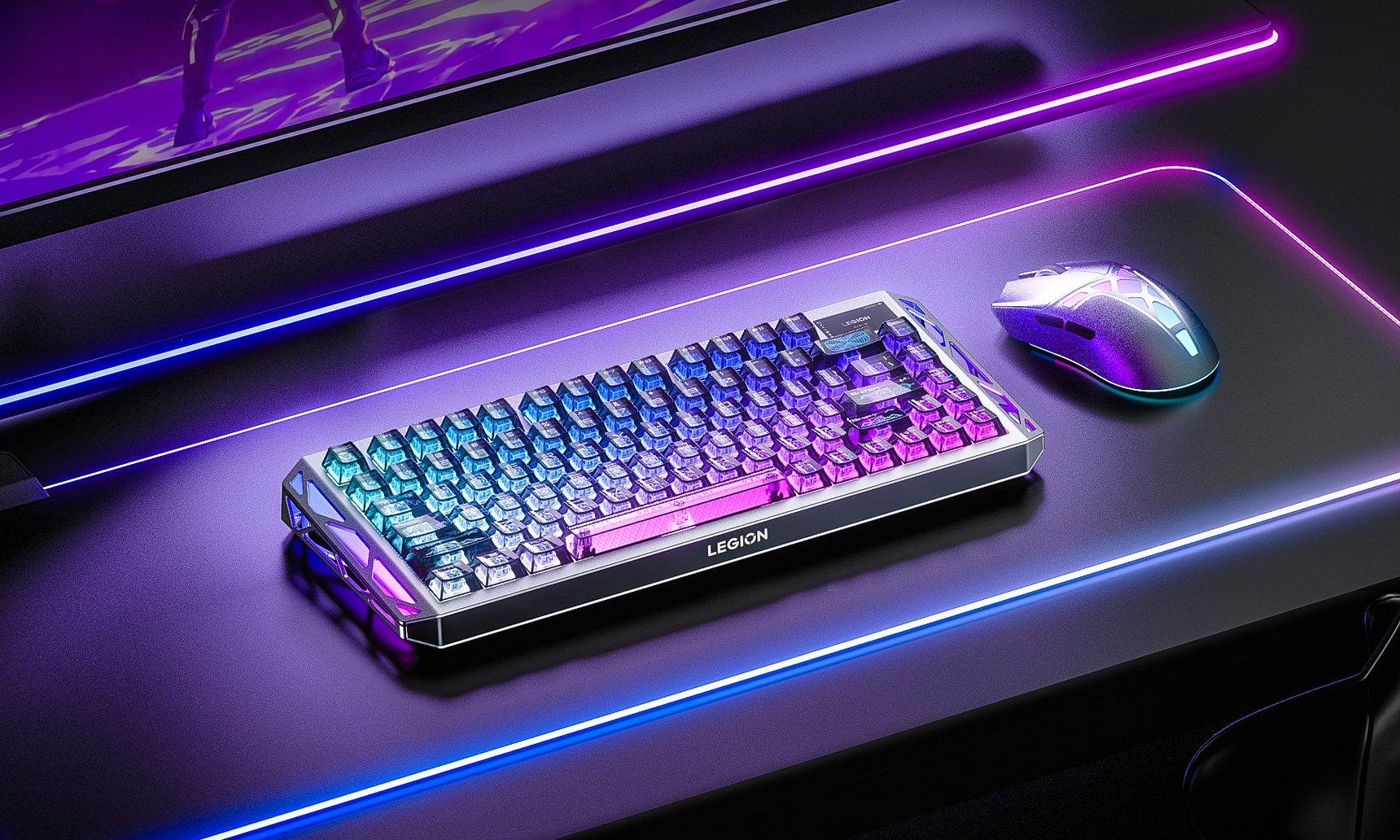
Magnetic gaming keyboards and lightweight mice are hardly unusual anymore, but Lenovo is trying to push both ideas a little further with its latest Legion peripherals. The new lineup includes the Legion R7 RT75 keyboard and Legion Y7MG mouse, and both support an 8,000Hz polling rate for players who want every input delivered to their PC as quickly as possible.

Of course, Lenovo has styled these peripherals to be as bold and eye-catching as possible without getting in the way of practicality. The keyboard has a hefty metallic design with translucent keycaps and RGB lighting. Compared to that, the mouse is more tame and traditional in design, but it also has an RGB strip that appears to belong on an alien spaceship. (via NotebookCheck)

Read more
Shopping for back-to-school? These are the budget laptops I’d actually recommend
From a $359 Chromebook to the cheapest way into macOS, these are the budget picks worth your money.
Computer, Electronics, Laptop

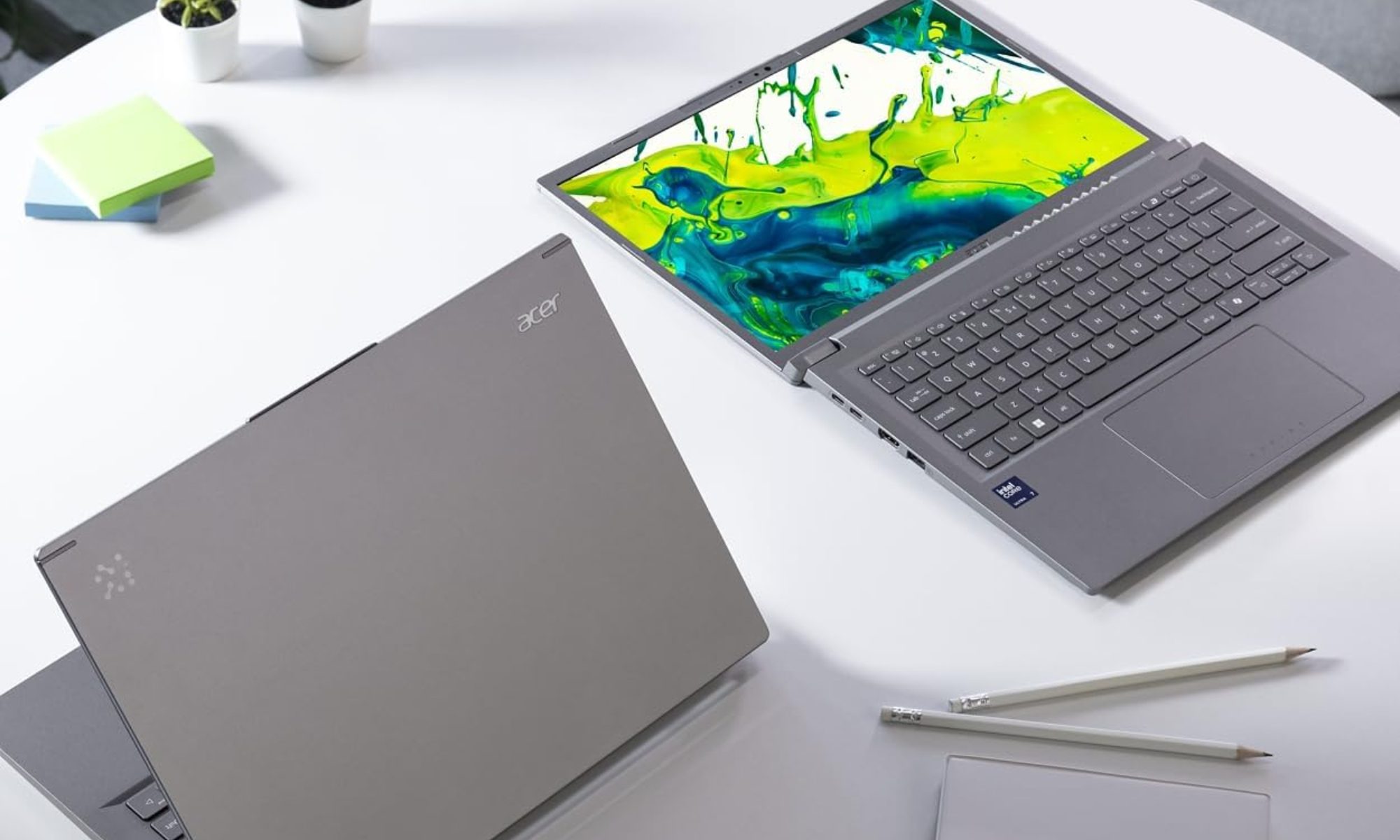
The back-to-school season often turns into a laptop, especially the budget ones that aren't too heavy on your wallet. Due to the ongoing memory crisis, most manufacturers have already bumped up their laptop prices, including Apple. However, that doesn't mean that I won't help you get a new machine. So, for this one, I spent time digging through spec sheets, customer ratings, and price tags, finding devices that don't just look cheap in an Amazon listing, but actually hold up. 

From a flexible touchscreen Chromebook to the least expensive way into macOS, these six laptops balance price and performance well. I'd hand any one of them to a student heading back to campus this fall, depending on what they need and what their priorities are. 

Read more
Asus’ latest Zenbook puts a seriously bright OLED screen inside an impossibly slim body
The Zenbook 14 Air is only 11mm thick but still packs a 77Wh battery
Computer, Electronics, Laptop

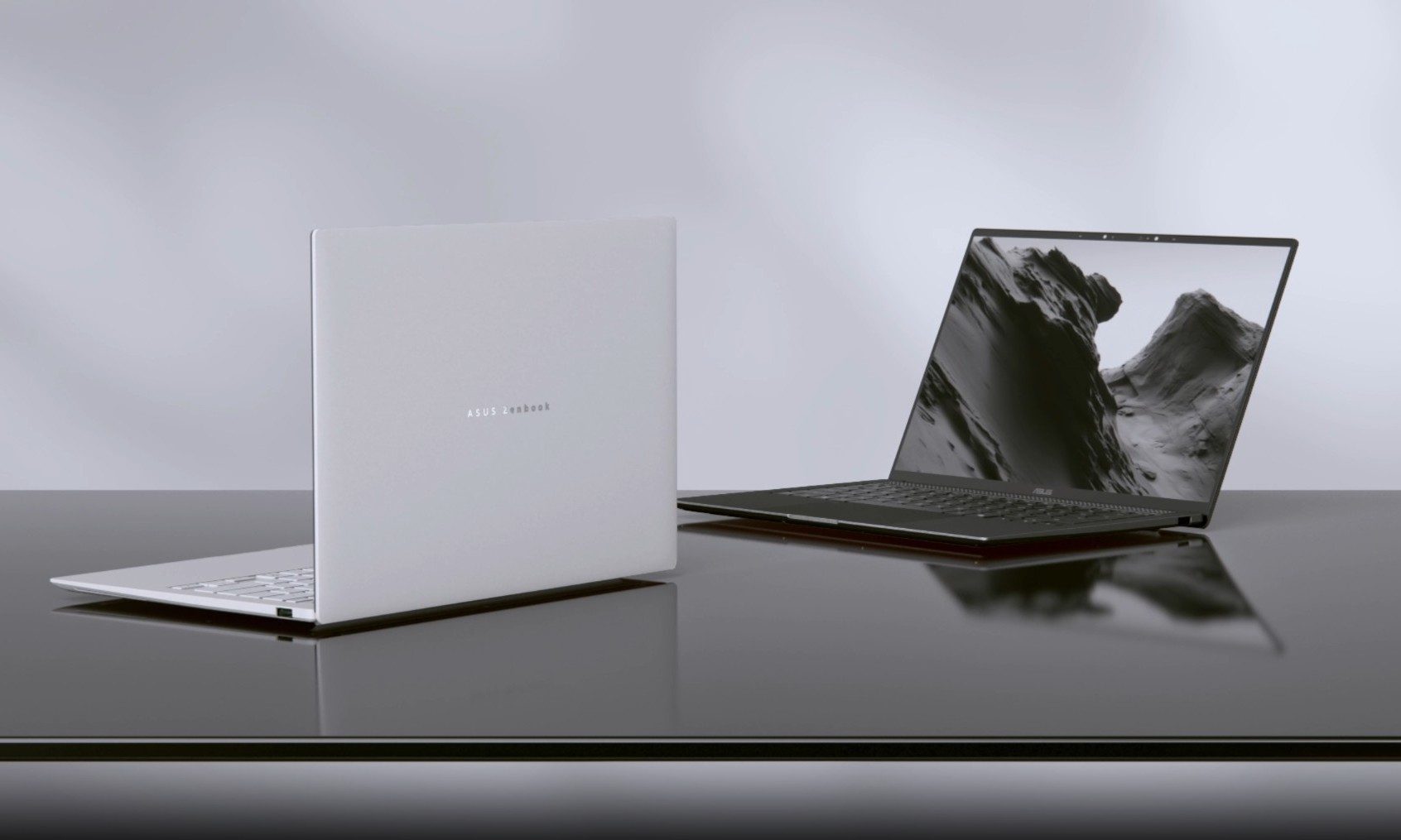
Asus has introduced a new AMD-powered version of the Zenbook 14 Air 2026, combining a bright OLED display and a large battery inside an 11mm-thick chassis. It weighs 1.19kg, keeping it firmly in ultraportable territory despite the 77Wh battery inside.

The Zenbook 14 Air 2026 itself is not entirely new. Asus launched an Intel configuration powered by the Core Ultra 9 386H in China back in January. The latest version switches to AMD’s Ryzen AI 7 H 445 and is priced at CNY 9,999, or around $1,477. (via Notebookcheck)

Read more