1. Home
  2. Wearables
  3. Health & Fitness
  4. s

The Reliefband 2.0 looks to quell nausea with new modes and improved comfort

Add as a preferred source on Google

In 2016, a little-known company called Reliefband Technologies released a product designed to treat nausea. Aptly dubbed the Reliefband, it was a unique wearable intended to help those who suffer from both motion and morning sickness, whether the result of a road trip or the first trimester of pregnancy. The band’s initial clinical trials produced mixed results — we were skeptical of its merits, too — which is perhaps why the company brought a new-and-improved version of the wristband to CES.

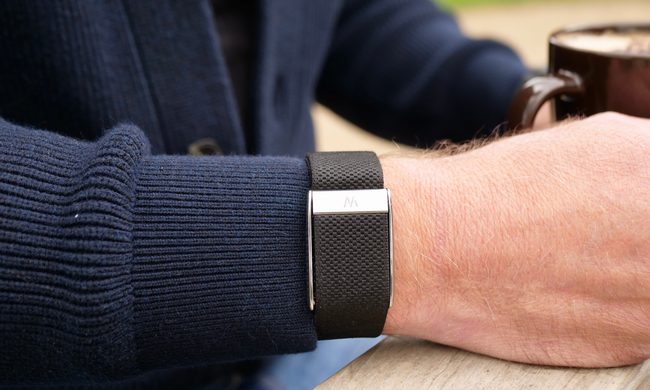
Much like its predecessor, the ReliefBand 2.0 is aimed at those who are prone to bouts of nausea, whether it stems from travel, virtual reality, chemotherapy, post-operative care, or any combination of the aforementioned sources. The latest iteration of the device makes use of a sleek, Fitbit-like build and hypoallergenic 316L surgical steel contacts, bringing it more in line with modern fitness trackers than most therapeutic devices.

Recommended Videos

“We are not a diagnostic [company],” Jackie Simon, chief medical officer of Reliefband Technologies, told Digital Trends. “We don’t count your steps.”

Instead, device builds upon the study of acupuncture and capitalizes on a technique known as neuromodulation, which relies on a pattern of electric pulses that exhibit a very specific waveform, frequency, and intensity. When worn properly, these mild pulses stimulate the median nerve on the underside of the wrist, helping to regulate and quell nausea. Whereas the first ReliefBand showcased five intensity modes, the newer model touts 10, allowing you to adjust the power of the pulses to fit your individual comfort level.

The Reliefband 2.0 will retail for $175 and is currently available for pre-order, in either gray or blue, alongside last year’s model. The newer offering will launch sometime at the end of January, though, Reliefband Technologies has yet to specify an exact date.

Brandon Widder
Former Senior Editor, Living Articles
Brandon Widder is a multimedia journalist and a staff writer for Digital Trends where he covers technology news, how-to…
Qualcomm is set to ratchet up chip prices in September, and your next gadget upgrade could bear the brunt
The price hike could touch every Snapdragon-powered device category.
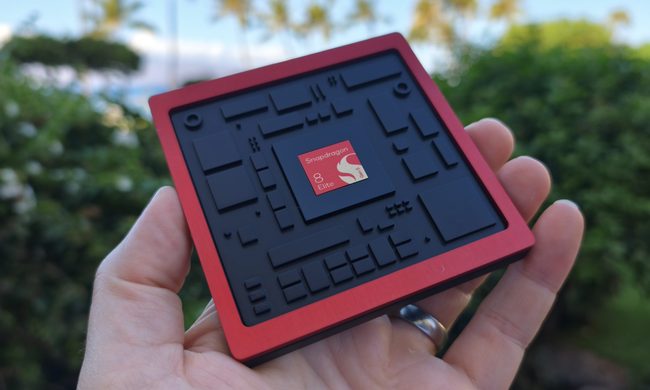
The new Qualcomm Snadragon 8 Elite Gen 5

I want you to sit with this for a second. Qualcomm, the company whose Snapdragon chips sit inside your Android phone and tablet, your Windows laptop, your Meta smart glasses, your Galaxy Watch, and your wireless earbuds, reportedly sent a letter to every major customer telling them prices are going up by double digits. 

The price hike will be in effect from September 1, 2026, a recent Bloomberg report claims. Essentially, all the companies placing their chip orders after that will pay a higher price. 

Read more
Slacked off all summer? Here are 3 fitness trackers that’ll help you stay accountable as you head back to school
Three trackers, three price points, three totally different approaches to keeping you honest about your own goals.
A person wearing the Whoop 5.0.

Summer break did what it usually does. Your sleep schedule drifted, workouts happened less often than you'd hoped, and by the time August rolled around, you were feeling it. You've got a plan to get back on track once the school year starts and your days have more structure, but you know how that usually goes. The first two weeks are solid, then the routine quietly slips.

A fitness tracker won't get you off your couch. What it will do is put a number in front of you every day, one that makes it obvious whether you stuck to your goal or slacked off. That small bit of visibility is often the difference between meaning to work out and actually doing it. Back-to-school season is a good time to buy in, since you're already resetting more than one part of your routine, and the overlap makes the habit more likely to stick. To keep the odds in your favor, here are three fitness trackers that can help you stay accountable and actually hit your goals.

Read more
Galaxy Watch 9 vs. Watch Series 11: Has Apple finally met its smartwatch match?
From AI-powered health coaching to outdoor fitness tracking, here's how Samsung's Galaxy Watch 9 stacks up against Apple's Watch Series 11.
Wristwatch, Arm, Body Part

These days, the real battleground between smartwatches is who can turn a wrist-worn, sensor-loaded device into something that resembles a personal fitness trainer, and this year's crop of flagship wearables takes that fight more seriously than ever. 

Samsung just refreshed its mainstream Galaxy Watch line with a new silicon and a batch of clinically-backed health tools, landing squarely on Apple's home turf of preventive wellness tracking. Apple, for its part, has spent the better part of a year letting its Series 11 sit as the reigning pick for anyone inside its ecosystem, propped up by a software catalog few rivals match feature-for-feature. 

Read more