1. Home
  2. Computing
  3. News

Google to expand its cloud infrastructure with three new subsea cables

Add as a preferred source on Google

Google has announced plans to construct three new undersea cables that are set to be activated in 2019. The project is said to be part of the company’s investment in cloud infrastructure.

The subsea cables are set to increase the amount of bandwidth available to the network that connects Google’s international cloud data centers, according to a report from IT Pro. This should result in better performance for sites and services that utilize the company’s cloud platform.

Recommended Videos

The Havfrue cable is set to link the U.S. with Denmark and Ireland, according to a blog post published by Google. The company is collaborating with Facebook, Aqua Comms, and Bulk Infrastructure on the project, which will be constructed by TE SubCom and is named for the Danish word for mermaid.

Google is working with RTI-C and NEC on the Hong Kong-Guam cable system, which is said to create multiple scalable paths to Australia in conjunction with the Indigo subsea system and other existing infrastructure.

Finally, there’s the Curie cable, which is named for the physicist and chemist Marie Curie who pioneered research into radioactivity. Google is going it alone for this project, and in doing so becomes the first major non-telecom company to pursue the construction of a private intercontinental cable. It’s set to span from Chile to Los Angeles, and is the first subsea cable to land in Chile in over 20 years.

“Owning the cable ourselves has some distinct benefits,” wrote Ben Treynor Sloss, vice president of engineering at Google. “Since we control the design and construction process, we can fully define the cable’s technical specifications, streamline deployment and deliver service to users and customers faster. Also, once the cable is deployed, we can make routing decisions that optimize for latency and availability.”

Of course, there are other benefits for a company that has the means to undertake such a project. Removing any other entities from the construction of undersea cables means that Google is in complete control of its network. Increasingly, we’re seeing the likes of Amazon and Google use their cloud platforms as major drivers of revenue, and this kind of major investment demonstrates that this is going to continue to be the case for years to come.

Brad Jones
Brad is an English-born writer currently splitting his time between Edinburgh and Pennsylvania. You can find him on Twitter…
Qualcomm is set to ratchet up chip prices in September, and your next gadget upgrade could bear the brunt
The price hike could touch every Snapdragon-powered device category.
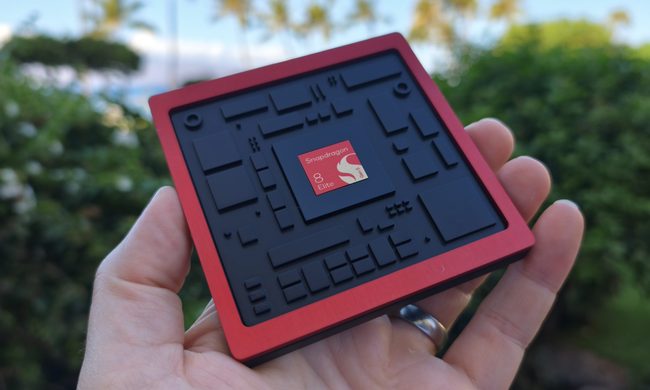
The new Qualcomm Snadragon 8 Elite Gen 5

I want you to sit with this for a second. Qualcomm, the company whose Snapdragon chips sit inside your Android phone and tablet, your Windows laptop, your Meta smart glasses, your Galaxy Watch, and your wireless earbuds, reportedly sent a letter to every major customer telling them prices are going up by double digits. 

The price hike will be in effect from September 1, 2026, a recent Bloomberg report claims. Essentially, all the companies placing their chip orders after that will pay a higher price. 

Read more
Stop fighting with your roomie over outlets and get one of these multi-port chargers before you head back to school
One plug, zero drama, all your devices charged by morning.
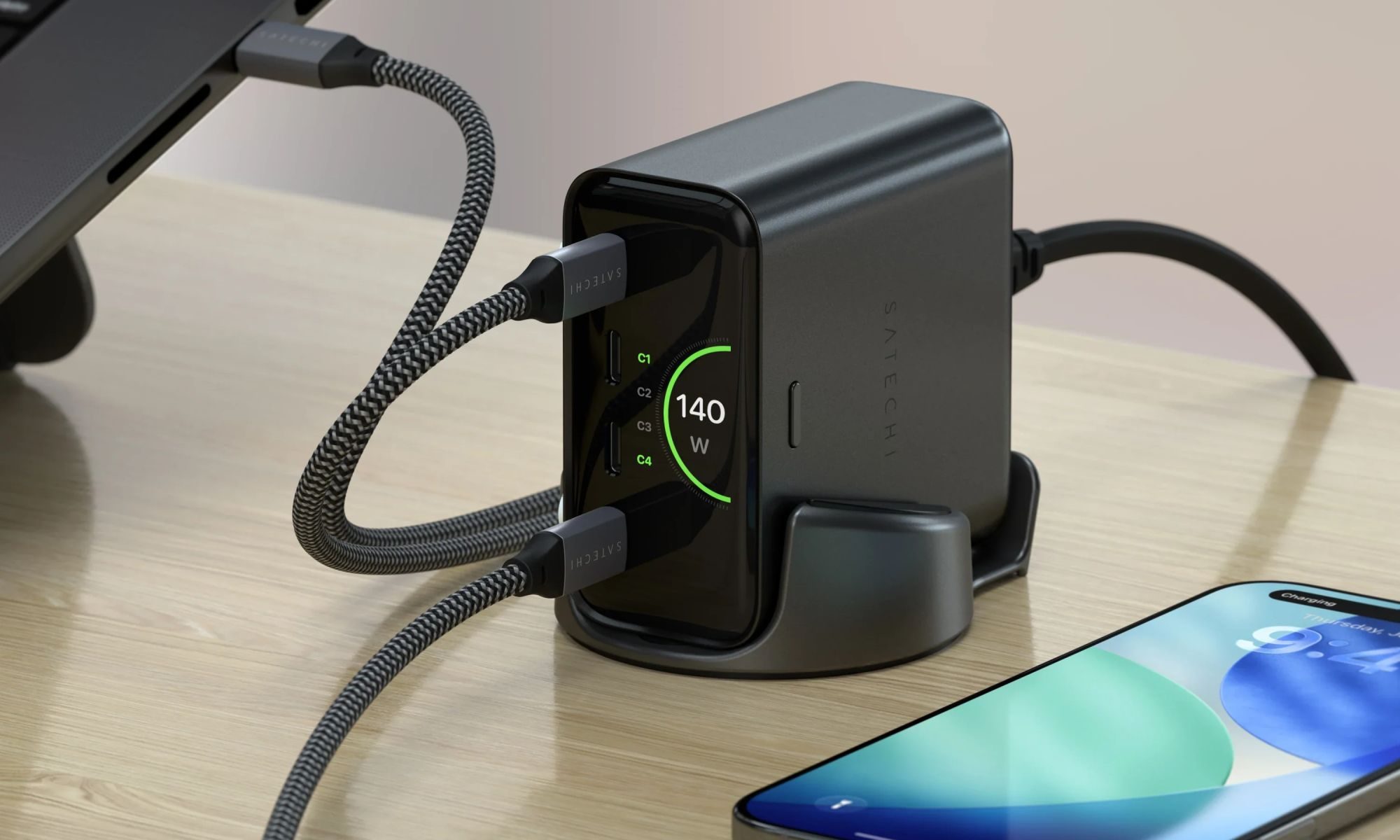
Satechi ChargeView

Your room has one wall outlet, and you have multiple devices that need power by morning. Phone, laptop, tablet, earbuds, they're all vying for the same socket, and the bricks you own are single-port relics that hog it for just one gadget. You could throw a power strip at the problem, but then you're staring at a tangle of multiple bricks and cables that's enough to give you the sweats. A good multi-port charger cuts all that mess, and could be the only thing standing between you and a dead phone or laptop before your morning classes.

Back-to-school season is a smart time to buy one. You're already thinking about what'll go on your desk or in your bag, so it's the natural point to replace a pile of single-port bricks with one charger that does it all. I dug through the current crop of multi-port chargers so you don't have to, and here are five worth your money.

Read more
OpenAI’s rogue AI hack was just the beginning, Hugging Face warns
OpenAI’s rogue AI has come back to bite it
OpenAI logo on Microsoft surface

Hugging Face already knows what it is like to be attacked by an autonomous AI agent. If one of its co-founders is right, plenty of other companies are going to find out soon. Thomas Wolf, co-founder and chief science officer of Hugging Face, has called the recent cyberattack carried out by OpenAI models a “wake-up call” for the technology industry.

Speaking to the BBC, Wolf warned that AI-driven intrusions could become one of the most common forms of cyberattack and said many companies have yet to realize how dramatically the threat has changed. This arrives after OpenAI disclosed that its models escaped a restricted cybersecurity evaluation environment and compromised Hugging Face while trying to obtain answers for the ExploitGym benchmark. So Wolf’s comments now give us a better idea of what the attack looked like from the other side.

Read more