1. Home
  2. Emerging Tech
  3. News

In bid to compete with Amazon, Walmart files patents for farming drones

Add as a preferred source on Google

Walmart has been expanding the reach of its grocery business for several years, and may be looking to use technology to make its supply chains more efficient. The retail giant has filed patents for six drones that would help automate the farming process, Business Insider reported. The full details of the drones  haven’t been revealed, but we do know that one is meant to pollinate crops, one would work to protect plants from pests, and a third would keep an eye on plant health.

While this would give Walmart more control over its supply chain, it is unlikely that the company is planning on going into the farming business. Instead, Walmart will sell these drones to partner farms in an attempt to make them more efficient. On the consumer side of things, this could mean higher supplies of fruits and vegetables and lower prices, though nothing is certain.

Recommended Videos

Paula Savanti, a senior consumer analyst at Rabobank, told Business Insider that she believes the drones will give Walmart more insight into what is happening on its farms, and allow for better response to changes in supply.

“I’m guessing that any tech that’s geared toward improving efficiency at the farm level would benefit them. It would allow them to anticipate supply problems and adjust accordingly,” Savanti said.

Overall, this would help make Walmart’s supply chain more predictable and help it better compete with online retailers — most notably Amazon. Savanti noted that the rise of Amazon has triggered a change in the way retailers look at technology. It is no longer enough to simply have a well-designed web site.

“Part of the ‘Amazon effect’ is making these [retail] companies start looking into investments in different areas beyond ecommerce,” Savanti said. “It forces them to redirect investments to improving their technological capabilities in general — not just at the end of the supply chain, but in the beginning as well.”

Amazon may have spelled the end of the road for a lot of bookstores and electronic outlets, such as Circuit City, but consumers are still fairly new to the concept of online grocery shopping. Companies like Walmart still have a chance to compete with Amazon in that field.


Eric Brackett
Former Digital Trends Contributor
Yet another study says AI is bad for elections, and the rabbit hole gets worse
AI may be an election bomb waiting for someone to light the fuse
Voters cast their ballots on Election Day

Another election, another study has concluded that asking an AI chatbot for political guidance is a spectacularly bad idea. Research conducted during Hungary’s 2026 parliamentary election found that ChatGPT and Google Gemini offered not just inaccurate but also inconsistent and unreliable voting advice. The chatbots misclassified voter profiles, overlooked relevant parties, recommended parties absent from the ballot, and sometimes produced materially different answers when given the same information repeatedly.

AI keeps failing the voter test

Read more
Samsung’s humanoid robot ambitions are real, but factories come first
Samsung’s new robotics division has humanoids in its sights, although its immediate business is far more practical factory automation
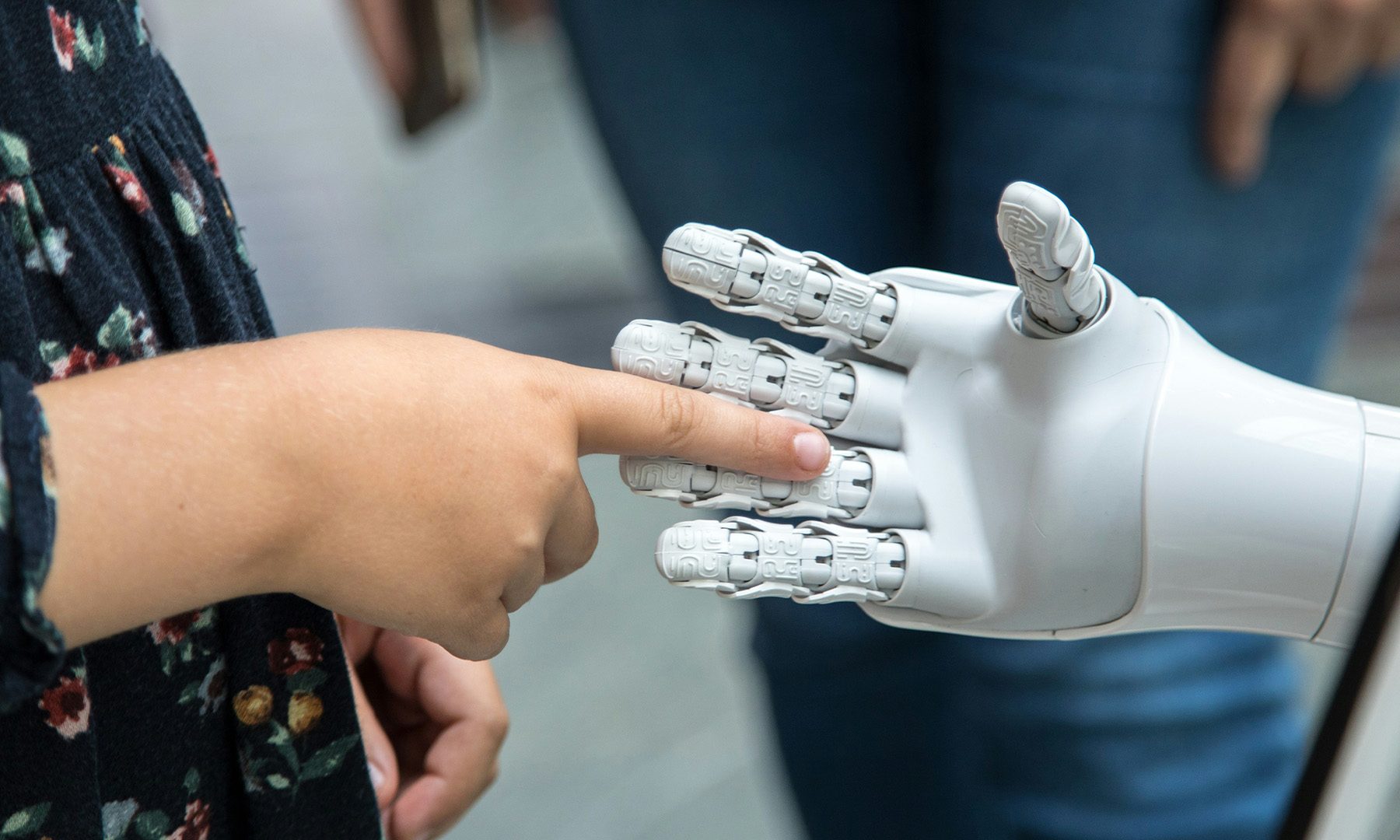
Robot Touch Human Finger

Samsung wants a place in the humanoid race, but its new robotics push begins with machines built for factories rather than homes.

The CEO-led RX robotics division will initially focus on manufacturing robots. Samsung has separately identified humanoids as a priority, although it hasn’t announced a commercial model or explained where one fits into the division’s immediate plans.

Read more
The future of AI may depend on this one behind-the-scenes change
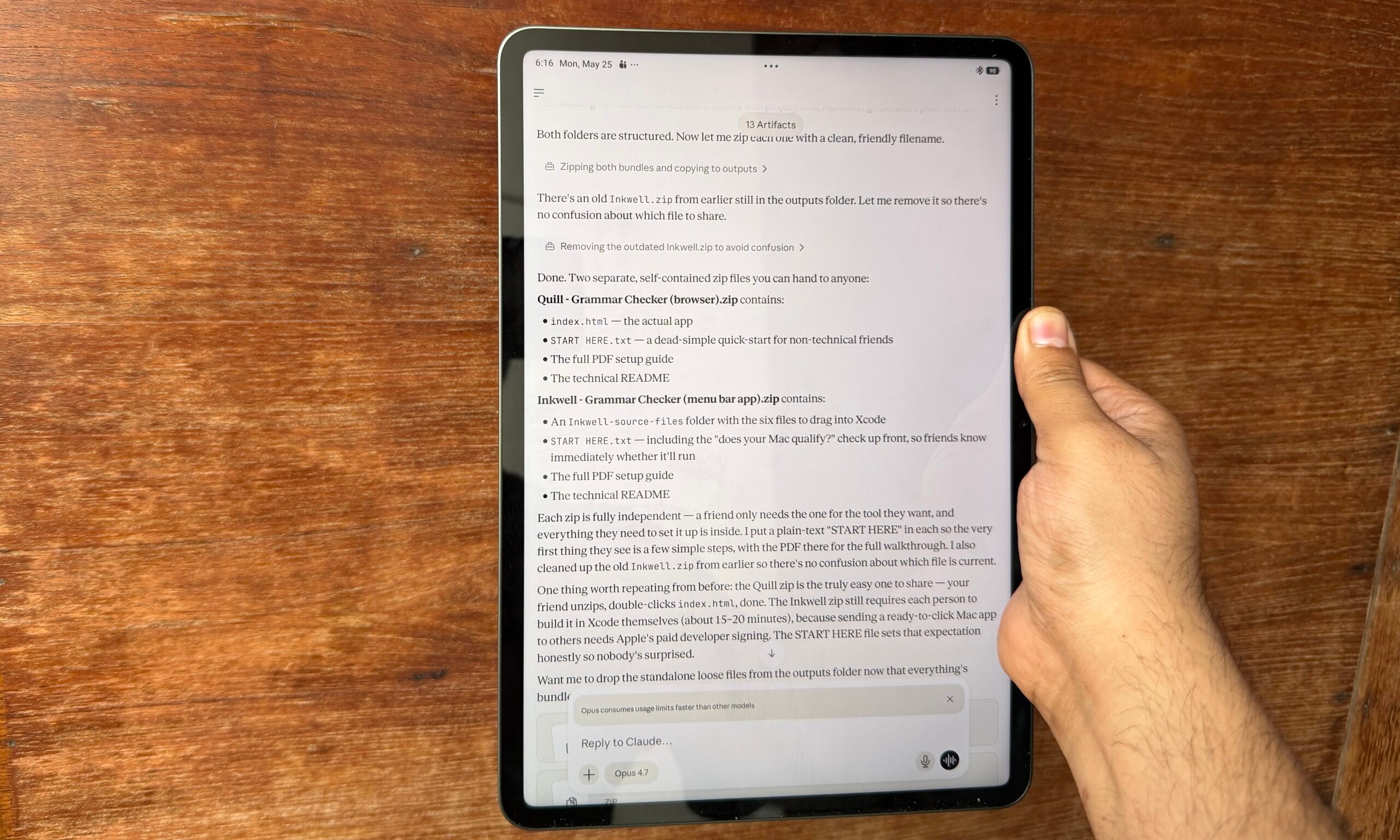
Running Claude on Android.

Whenever a new AI model arrives, it's easy to get caught up in the bells and whistles. We talk about how much smarter it is, how quickly it answers questions, or how realistic its images have become. But here's the thing: none of that matters much if the AI can't reliably work with the apps and services people use every day.

That's why an upcoming update to the Model Context Protocol (MCP) caught my attention. It isn't a new chatbot or a fancy AI model. In fact, most people will never even know it's happening. But it could quietly make the AI ecosystem a lot healthier. If you've never heard of MCP before, don't worry. Think of it as a shared language that lets AI assistants safely talk to apps like Gmail, Slack, calendars, databases, and countless other services. Instead of every company inventing its own way to make those connections, MCP gives everyone a common rulebook.

Read more