1. Home
  2. Emerging Tech
  3. Health & Fitness
  4. News

Doctors successfully perform the world’s first robot-assisted spinal surgery

Add as a preferred source on Google

What kind of surgeon do you call in when you’re dealing with an incredibly complex, rare procedure involving a cancerous tumor which affects just one in 1 million people each year? Quite possibly a robot one. At least, that is what neurosurgeons and otolaryngologists at the University of Pennsylvania School of Medicine did when they performed the world’s first robot-assisted spinal surgery. The complex procedure utilized cutting-edge robotic arms to remove a tumor in 27-year-old patient Noah Pernikoff’s neck — through his mouth.

The groundbreaking surgery took place at the Hospital of the University of Pennsylvania, and required more than 20 hours in the operating theater, carried out over the course of two days. Due to the placement of the tumor in the patient’s neck, doctors were worried he risked permanent paralysis should something go wrong. In addition, if the entire tumor was not removed, it would likely grow back, perhaps even more aggressively than before.

Recommended Videos

The operation was performed in three phases. Firstly, neurosurgeons entered through Pernikoff’s neck and cut the spine around the tumor. A team of three head and neck surgeons then used the surgical robot to remove the tumor through the patient’s mouth. Finally, Pernikoff’s spinal column was reconstructed using a hip bone and additional rods for stability.

The use of the trans-oral robot (TORS) meant that it was possible to switch from relying on radiation therapy to actively removing the tumor by operating on it. “There are two components that make this work so exciting,” Dr. Neil Malhotra told Digital Trends. “One is that it permits us to switch from palliation for certain types of tumors to, in some cases for the first time, seeking cures. For the second point, this approach is less traumatic for the patient, which means a better recovery.”

Although news of the surgery has only now been made public, it took place in August last year. Nine months later, Pernikoff is now fully recovered and back at work. “We are still trying to determine where and when robotics — or cobotics — can help patients in terms of outcomes and cures,” Malhotra continued. “The case discussed is a new indication.”


Luke Dormehl
I'm a UK-based tech writer covering Cool Tech at Digital Trends. I've also written for Fast Company, Wired, the Guardian…
Yet another study says AI is bad for elections, and the rabbit hole gets worse
AI may be an election bomb waiting for someone to light the fuse
Voters cast their ballots on Election Day

Another election, another study has concluded that asking an AI chatbot for political guidance is a spectacularly bad idea. Research conducted during Hungary’s 2026 parliamentary election found that ChatGPT and Google Gemini offered not just inaccurate but also inconsistent and unreliable voting advice. The chatbots misclassified voter profiles, overlooked relevant parties, recommended parties absent from the ballot, and sometimes produced materially different answers when given the same information repeatedly.

AI keeps failing the voter test

Read more
Samsung’s humanoid robot ambitions are real, but factories come first
Samsung’s new robotics division has humanoids in its sights, although its immediate business is far more practical factory automation
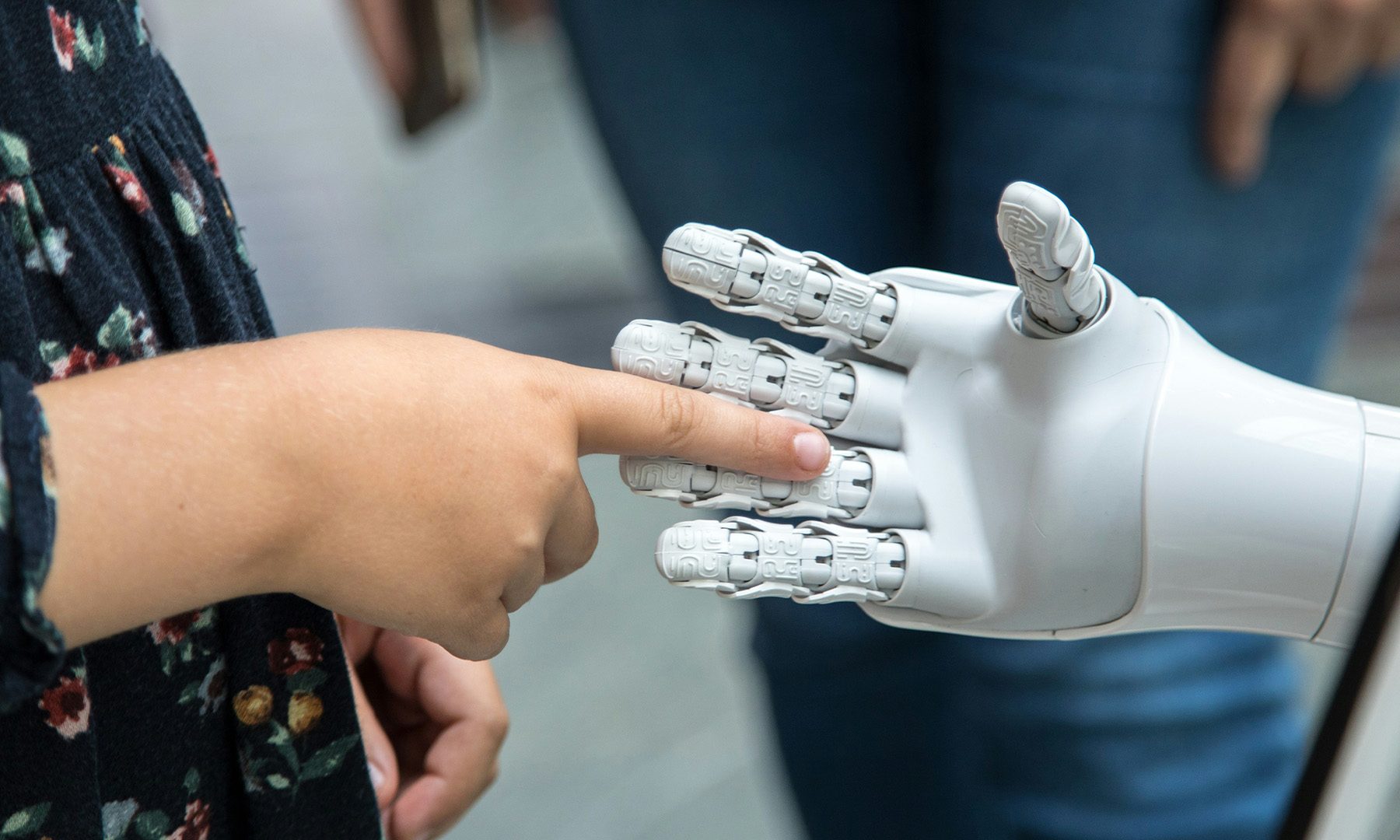
Robot Touch Human Finger

Samsung wants a place in the humanoid race, but its new robotics push begins with machines built for factories rather than homes.

The CEO-led RX robotics division will initially focus on manufacturing robots. Samsung has separately identified humanoids as a priority, although it hasn’t announced a commercial model or explained where one fits into the division’s immediate plans.

Read more
The future of AI may depend on this one behind-the-scenes change
Running Claude on Android.

Whenever a new AI model arrives, it's easy to get caught up in the bells and whistles. We talk about how much smarter it is, how quickly it answers questions, or how realistic its images have become. But here's the thing: none of that matters much if the AI can't reliably work with the apps and services people use every day.

That's why an upcoming update to the Model Context Protocol (MCP) caught my attention. It isn't a new chatbot or a fancy AI model. In fact, most people will never even know it's happening. But it could quietly make the AI ecosystem a lot healthier. If you've never heard of MCP before, don't worry. Think of it as a shared language that lets AI assistants safely talk to apps like Gmail, Slack, calendars, databases, and countless other services. Instead of every company inventing its own way to make those connections, MCP gives everyone a common rulebook.

Read more