1. Home
  2. Emerging Tech
  3. Gaming
  4. Virtual Reality
  5. News

New VR horror game gets scarier if your heart rate isn’t fast enough

Add as a preferred source on Google
Bring To Light Trailer

A bit like spicy food, the effectiveness of horror titles varies from person to person. What makes me break out in a sweat may not be enough to elevate your heart rate. Fortunately (or, if you’re of a nervous disposition, perhaps, unfortunately,) the good folks at game developer Red Meat Games have come up with a neat way around this problem. It includes medical technology that would more commonly be used for helping people than scaring the bejesus out of them.

Recommended Videos

In its latest virtual reality game Bring to Light, players have the option of strapping on a heart rate monitor to personalize the game’s fear factor. Get too comfortable with the experience, and the game’s artificial intelligence will know to ramp up the terror. Because who wants a relaxing, enjoyable game experience, right?

“Back in 2013, gaming conferences were plastered with mobile game ad companies selling their ad services,” Red Meat Games CEO Keith Makse told Digital Trends. “I had the thought at the time that rather than automating the ad systems, as was proffered by every ad company, there could be a tool that could automate game design in some way.”

Red Meat’s first attempt at doing this resulted in a tool Makse calls DAISy (Distributed A.I. System), which tweaked a trivia game based on real-time user interaction. However, Makse wanted to go further than this and utilize biometric technology. “When I was brainstorming another game, I thought we should be able to use biometric feedback as user input, and we quickly thought of using a heartbeat,” he continued. “That was the easy part. We’ve probably spent about 12 months in total designing, building, and testing this system to get it to where it is today.”

Bring to Light puts players in control of the sole survivor of a subway accident, which turns out to be just the first step in a terrifying Lovecraftian horror experience. The $20 game launched on Steam earlier this month, available for Oculus Rift and HTC Vive, as well as a “flat” version you can play on PC without the need for a virtual reality headset.

“While I still think it’s too early to tell if this will be picked up by any others out there, I do think that using biometric feedback will eventually become an option for games and other apps out there,” Makse said. “More biometric devices are released every day and constant improvements are being made.”


Luke Dormehl
I'm a UK-based tech writer covering Cool Tech at Digital Trends. I've also written for Fast Company, Wired, the Guardian…
Yet another study says AI is bad for elections, and the rabbit hole gets worse
AI may be an election bomb waiting for someone to light the fuse
Voters cast their ballots on Election Day

Another election, another study has concluded that asking an AI chatbot for political guidance is a spectacularly bad idea. Research conducted during Hungary’s 2026 parliamentary election found that ChatGPT and Google Gemini offered not just inaccurate but also inconsistent and unreliable voting advice. The chatbots misclassified voter profiles, overlooked relevant parties, recommended parties absent from the ballot, and sometimes produced materially different answers when given the same information repeatedly.

AI keeps failing the voter test

Read more
Samsung’s humanoid robot ambitions are real, but factories come first
Samsung’s new robotics division has humanoids in its sights, although its immediate business is far more practical factory automation
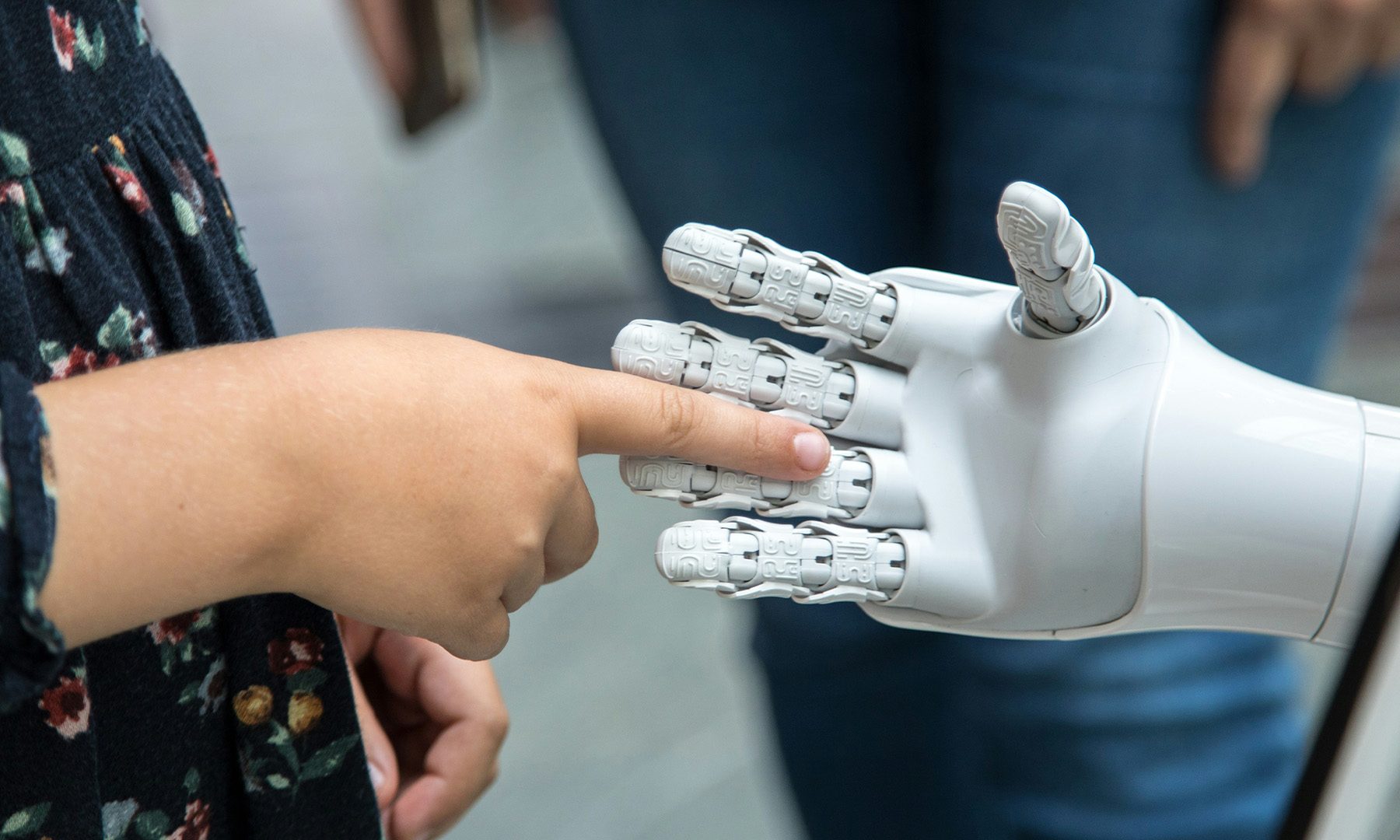
Robot Touch Human Finger

Samsung wants a place in the humanoid race, but its new robotics push begins with machines built for factories rather than homes.

The CEO-led RX robotics division will initially focus on manufacturing robots. Samsung has separately identified humanoids as a priority, although it hasn’t announced a commercial model or explained where one fits into the division’s immediate plans.

Read more
The future of AI may depend on this one behind-the-scenes change
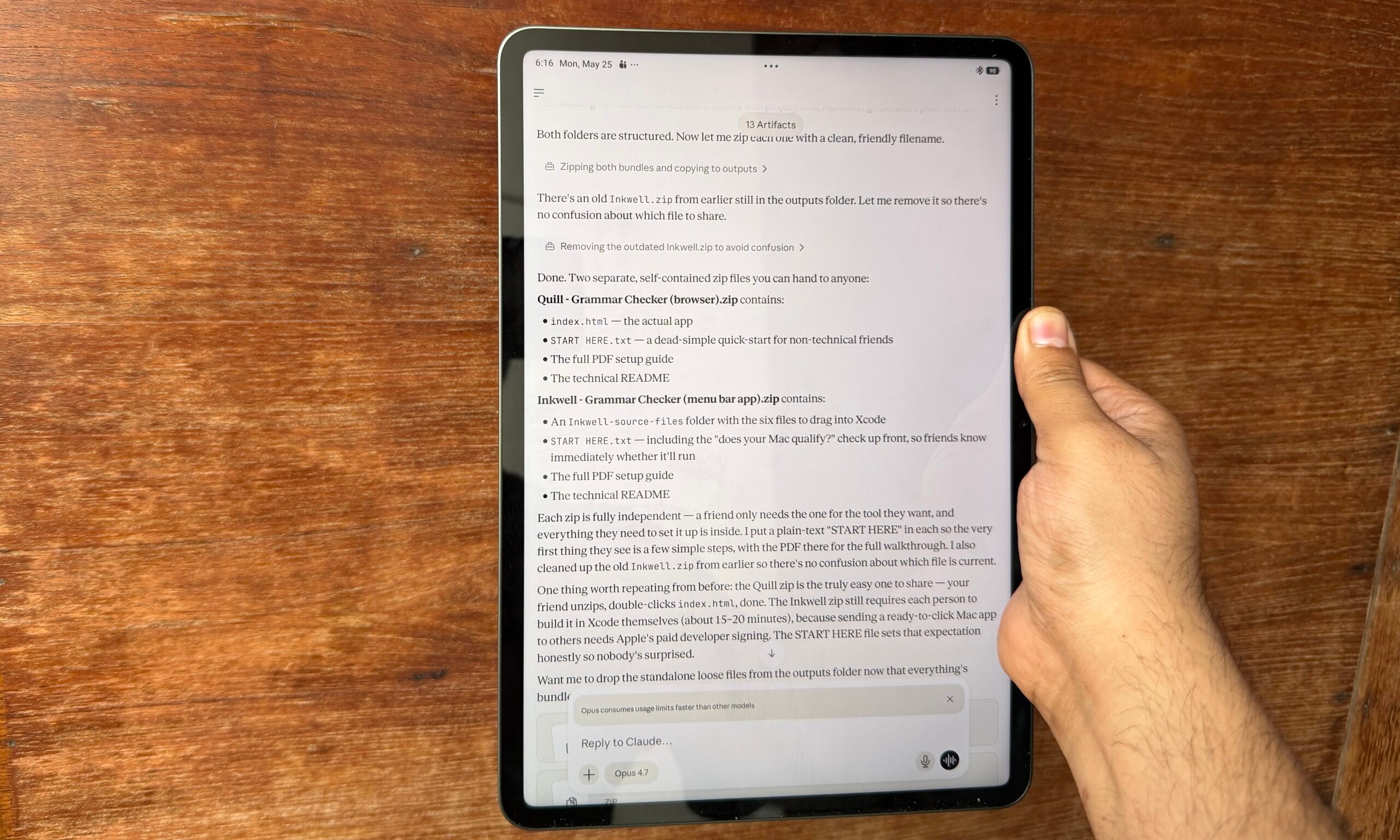
Running Claude on Android.

Whenever a new AI model arrives, it's easy to get caught up in the bells and whistles. We talk about how much smarter it is, how quickly it answers questions, or how realistic its images have become. But here's the thing: none of that matters much if the AI can't reliably work with the apps and services people use every day.

That's why an upcoming update to the Model Context Protocol (MCP) caught my attention. It isn't a new chatbot or a fancy AI model. In fact, most people will never even know it's happening. But it could quietly make the AI ecosystem a lot healthier. If you've never heard of MCP before, don't worry. Think of it as a shared language that lets AI assistants safely talk to apps like Gmail, Slack, calendars, databases, and countless other services. Instead of every company inventing its own way to make those connections, MCP gives everyone a common rulebook.

Read more