1. Home
  2. Emerging Tech
  3. Health & Fitness
  4. Mobile
  5. News

Hate dental checkups? This app lets you check your smile by snapping a few selfies

Add as a preferred source on Google
Toothpic App Walkthrough

Between finding the time for an appointment and possessing a totally logical fear of drills, surely no-one enjoys going to the dentist. Imagine how much easier life would be if getting your dental checkup was as simple as taking a few mouth-based selfies (“mouthies?”) and sending them off for a remote evaluation by a real dentist in your area.

Recommended Videos

That’s the pitch behind the company Toothpic, whose new app is trying to help the more than half of Americans who haven’t been to see the dentist in the last year. And, hopefully, to save them some dental pain down the road.

“We have a network of hundreds of dentists across all 50 states that make themselves available to review these cases,” Mark Moore, founder and CEO of Toothpic, told Digital Trends. “These dentists can identify a surprising amount from images, just like they would when looking directly into a patient’s mouth from their chairs. Dentists regularly observe cavities, gum disease, crooked or over-crowded teeth, stain, calculus build-up, cracked teeth, missing teeth, impacted wisdom teeth, infections, the range of oral hygiene from poor to excellent — as well as a whole host of other conditions.”

According to Moore, the quality of image which can be taken with modern smartphones is comparable to the images captured in dental offices. This has been borne out in a number of previous studies.

Moore said that the idea for Toothpic came to him after he suffered damage to his gums and, rather than go for a dentistry appointment, snapped a quick photo and sent it to his dentist father. While there was a degree of embarrassment in Mark Moore being the son of a dentist who nonetheless skipped out on appointments, his dad was able to use the photos to give him an idea of what treatment to seek and how much this would cost. He even recommended a good dentist he knew nearby.

While we can’t all send photos to Mr. Moore, Sr., Toothpic is based around a similar concept. Users answer a few questions, and are then guided through a photo-taking process. (Best results come from getting another person to take them for you.) After you submit the images, a licensed dentist then reviews them and contacts you with a report within 24 hours. What could be easier than that?

Toothpic is available to download on both the Google Play and iOS App Store.

Luke Dormehl
I'm a UK-based tech writer covering Cool Tech at Digital Trends. I've also written for Fast Company, Wired, the Guardian…
Yet another study says AI is bad for elections, and the rabbit hole gets worse
AI may be an election bomb waiting for someone to light the fuse
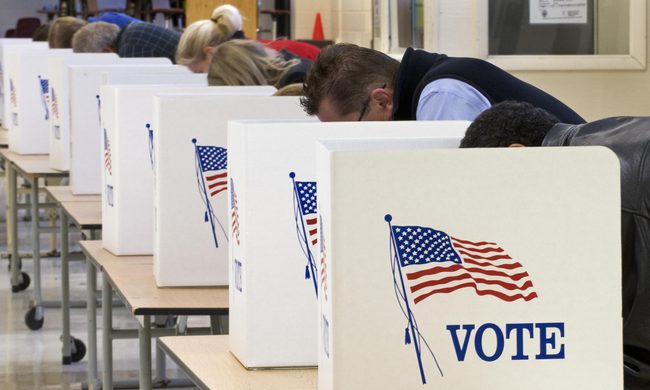
Voters cast their ballots on Election Day

Another election, another study has concluded that asking an AI chatbot for political guidance is a spectacularly bad idea. Research conducted during Hungary’s 2026 parliamentary election found that ChatGPT and Google Gemini offered not just inaccurate but also inconsistent and unreliable voting advice. The chatbots misclassified voter profiles, overlooked relevant parties, recommended parties absent from the ballot, and sometimes produced materially different answers when given the same information repeatedly.

AI keeps failing the voter test

Read more
Samsung’s humanoid robot ambitions are real, but factories come first
Samsung’s new robotics division has humanoids in its sights, although its immediate business is far more practical factory automation
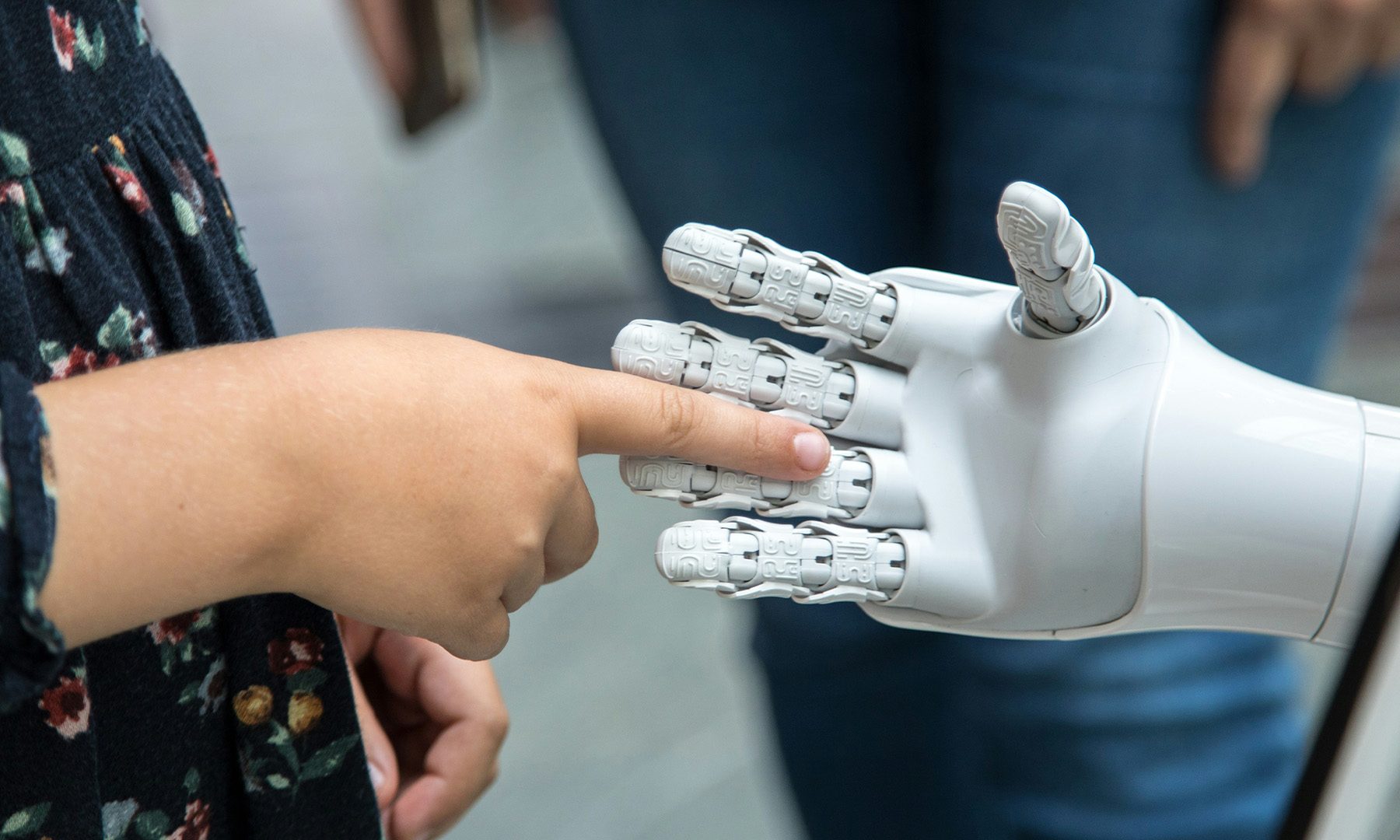
Robot Touch Human Finger

Samsung wants a place in the humanoid race, but its new robotics push begins with machines built for factories rather than homes.

The CEO-led RX robotics division will initially focus on manufacturing robots. Samsung has separately identified humanoids as a priority, although it hasn’t announced a commercial model or explained where one fits into the division’s immediate plans.

Read more
The future of AI may depend on this one behind-the-scenes change
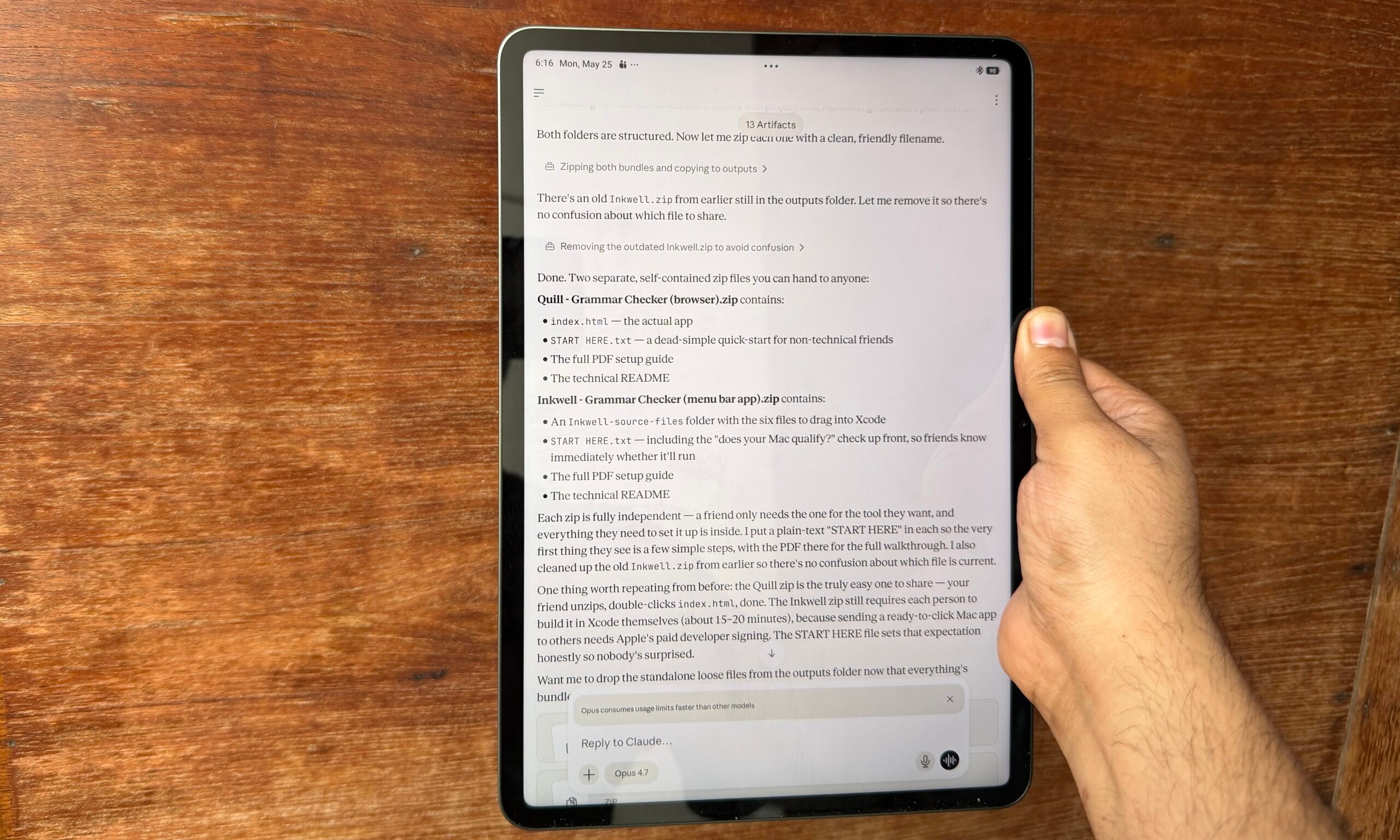
Running Claude on Android.

Whenever a new AI model arrives, it's easy to get caught up in the bells and whistles. We talk about how much smarter it is, how quickly it answers questions, or how realistic its images have become. But here's the thing: none of that matters much if the AI can't reliably work with the apps and services people use every day.

That's why an upcoming update to the Model Context Protocol (MCP) caught my attention. It isn't a new chatbot or a fancy AI model. In fact, most people will never even know it's happening. But it could quietly make the AI ecosystem a lot healthier. If you've never heard of MCP before, don't worry. Think of it as a shared language that lets AI assistants safely talk to apps like Gmail, Slack, calendars, databases, and countless other services. Instead of every company inventing its own way to make those connections, MCP gives everyone a common rulebook.

Read more