1. Home
  2. Emerging Tech
  3. News

Tokyo robotic warehouse needs almost no human workers

Add as a preferred source on Google
ユニクロ/有明倉庫を自動化

Truth is, robots have been doing the work of humans in some industries for years now, though recent advances in technology suggest we’re on course for massive and rapid changes in the workplace.

Recommended Videos

Take Uniqlo. The Japanese clothing giant this week unveiled a warehouse in Tokyo that’s almost entirely powered by robot technology.

The system is so effective that it’s enabled Uniqlo to remove 90 percent of the people that worked there before the warehouse was given its high-tech makeover. The company also notes how the warehouse has the potential to operate nonstop around the clock, save for the occasional maintenance work.

A video (above) of the warehouse in action shows large robotic arms moving sets of crates onto conveyor belts, where they join others whizzing their way to storage or for further sorting prior to shipping.

The technology scans electronic tags for identification and also to confirm the site’s stock numbers and other data. Prior to shipping items, Uniqlo’s system uses cardboard to wrap the products before sticking on delivery labels.

The video shows just one human worker, placing a red garment into a cardboard box. No, it probably won’t be too long before the remaining employees receive a tap on the shoulder from a robot that can do the job more far more efficiently. Though probably not this one.

The new warehouse was designed and built in partnership with logistics company Daifuku. Uniqlo’s parent company, the aptly named Fast Retailing, plans to invest 100 billion yen (about $890 million) to convert all of its warehouses in Japan and the 11 countries around the world where it operates.

Another high-profile company that’s steadily introducing robot technology to its warehouses is Amazon. Digital Trends took up a recent invitation to see one of its high-tech sites in operation, and we were blown away by what we saw. Check out the thousands of so-called “drive units” that carry products around the warehouse and which are described by the company as “great dancers” for their remarkable nimbleness as they navigate their way around. Alongside the robotic drive units, Amazon’s facility in Kent, Washington, still employs several thousand humans, though further technological advances will see that figure fall over time.

So, warehouse jobs are pretty much taken care of. Check out what other jobs may be on the line as robots continue to get smarter.

Trevor Mogg
Contributing Editor
Not so many moons ago, Trevor moved from one tea-loving island nation that drives on the left (Britain) to another (Japan)…
Yet another study says AI is bad for elections, and the rabbit hole gets worse
AI may be an election bomb waiting for someone to light the fuse
Voters cast their ballots on Election Day

Another election, another study has concluded that asking an AI chatbot for political guidance is a spectacularly bad idea. Research conducted during Hungary’s 2026 parliamentary election found that ChatGPT and Google Gemini offered not just inaccurate but also inconsistent and unreliable voting advice. The chatbots misclassified voter profiles, overlooked relevant parties, recommended parties absent from the ballot, and sometimes produced materially different answers when given the same information repeatedly.

AI keeps failing the voter test

Read more
Samsung’s humanoid robot ambitions are real, but factories come first
Samsung’s new robotics division has humanoids in its sights, although its immediate business is far more practical factory automation
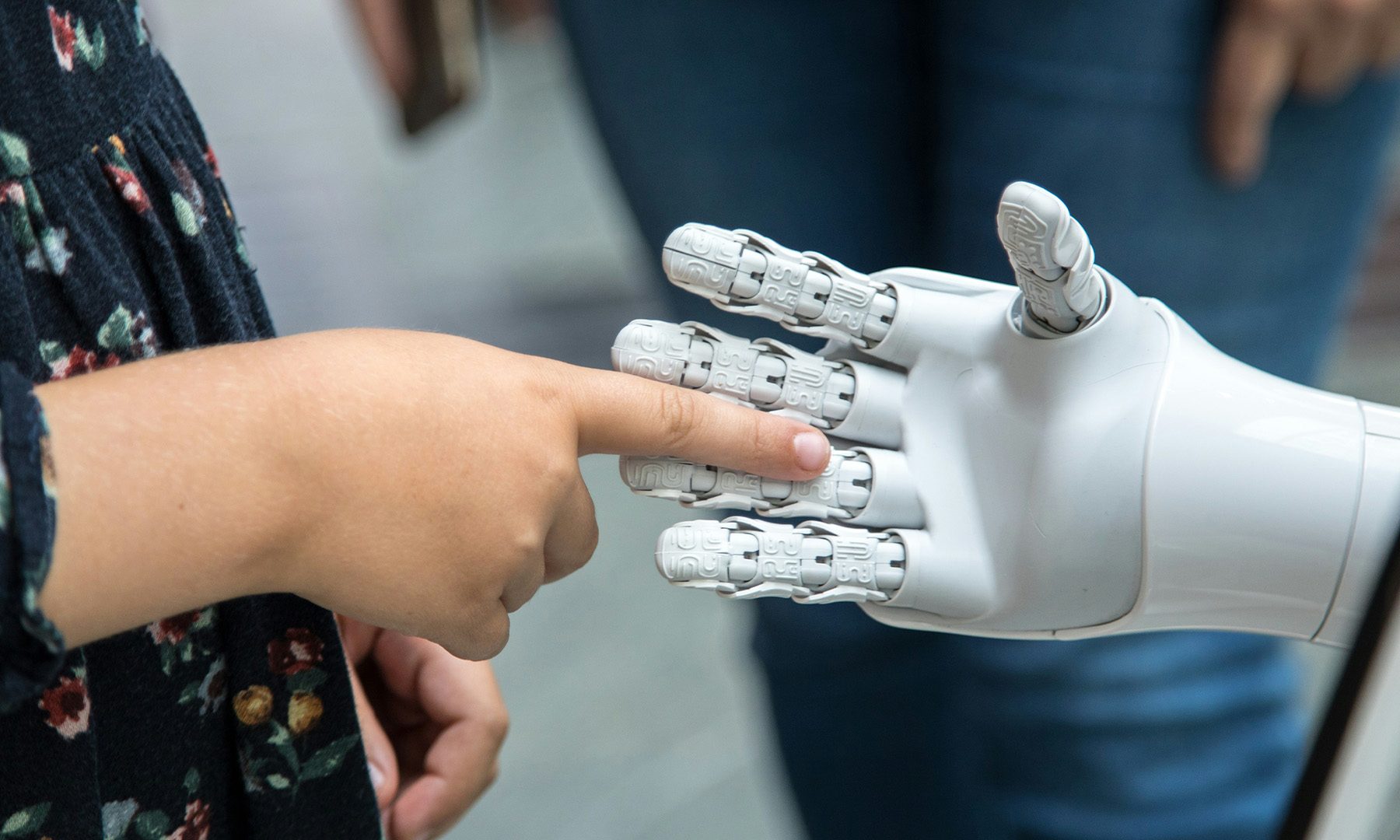
Robot Touch Human Finger

Samsung wants a place in the humanoid race, but its new robotics push begins with machines built for factories rather than homes.

The CEO-led RX robotics division will initially focus on manufacturing robots. Samsung has separately identified humanoids as a priority, although it hasn’t announced a commercial model or explained where one fits into the division’s immediate plans.

Read more
The future of AI may depend on this one behind-the-scenes change
Running Claude on Android.

Whenever a new AI model arrives, it's easy to get caught up in the bells and whistles. We talk about how much smarter it is, how quickly it answers questions, or how realistic its images have become. But here's the thing: none of that matters much if the AI can't reliably work with the apps and services people use every day.

That's why an upcoming update to the Model Context Protocol (MCP) caught my attention. It isn't a new chatbot or a fancy AI model. In fact, most people will never even know it's happening. But it could quietly make the AI ecosystem a lot healthier. If you've never heard of MCP before, don't worry. Think of it as a shared language that lets AI assistants safely talk to apps like Gmail, Slack, calendars, databases, and countless other services. Instead of every company inventing its own way to make those connections, MCP gives everyone a common rulebook.

Read more