Touching our devices is so last decade, and Google thinks it’s time for an alternative. In Project Soli, Google is working on technology that would use radar waves to detect hand gestures and control smart devices — and the U.S. FCC has approved a waiver that would allow Google to continue tinkering with this tech, paving the way for truly gesture-based controls.
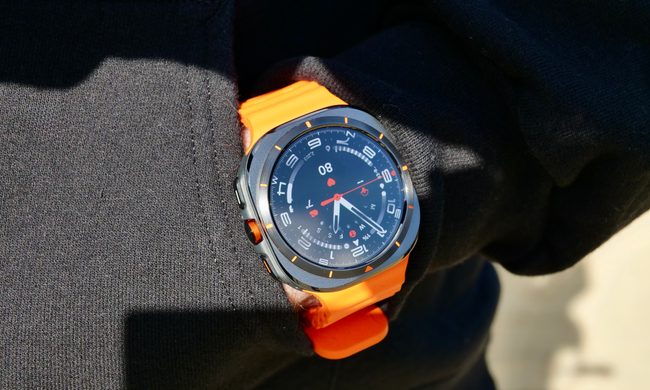
We’ve been following Project Soli since it was announced way back at Google I/O 2015, and over the years we’ve seen development versions of the tech power an experimental smartwatch, and even an invisible violin. It works by using radar waves to detect and interpret various hand gestures; so you can use your finger and thumb as a button, a slider, or a volume dial, as the gestures would be picked up and translated into on-device actions.


The FCC’s approval is important though, as it allows Project Soli to take bigger, much needed steps. The reason FCC approval was needed comes down to power. The accuracy of Project Soli’s radar waves have been hampered by the power limits imposed by the FCC, and Project Soli apparently struggled to detect movement accurately at these lower power frequencies.
Google applied to the FCC to allow Soli to operate at a higher frequency band than usually allowed in the U.S. (the application is still within the standards established by the European Telecommunications Standards Institute). That application was granted on December 31, 2018, on the grounds the tech provided little “potential of causing harmful interference,” and was in the public interest. Thanks to this waiver, Google will be able to experiment even more with Project Soli, and potentially reach out to third-party developers. The approved FCC application also allows “certification and marketing” of the tech, which should permit Google to move further toward a commercial version of the project.
Gesture controls in smartphones are nothing new, but Project Soli would go far beyond previous attempts in this space, offering an exceptional level of accuracy in an exceedingly small footprint. While small wearables are the most immediately revolutionized by the tech, it’s worth noting this technology could see use across the board. Bluetooth speakers and even TVs would benefit from the technology, and it’s entirely possible we could see Project Soli take the place of traditional buttons in smartphones. Keep watching this space — we certainly will be.