1. Home
  2. Computing
  3. News

LG’s Neo Art is a grab-and-go monitor that follows you wherever you go

Add as a preferred source on Google
 

Have you ever wished you could rip your monitor off your desk and take it with you? No? Well, we hadn’t either. But now that LG has shown it might be possible, we’re curious.

Recommended Videos

Along with launching a collection of new products that you can pick up, LG has shown off a concept idea that enables you to easily remove a monitor from its stand and transport it to another room. Whether you have two home offices or want to the ability to bring a monitor with you into the kitchen, the South Korean based company might be onto something.

The first thought that might pop into your head upon viewing the LG Neo Art is that you have stumbled across the world’s largest tablet, but the Neo Art has no internal operating system. It’s merely a portable, and attractive, monitor that can be connected to any Windows or MacOS computer.

More CES 2019 coverage

LG’s booth at CES 2019 showcased two different monitor docks running side-by-side with an Apple MacBook Pro. One dock was elevated for a typical, desktop usage scenario, while the second was lower to the surface, perhaps ideal for a living room, bedroom, or kitchen setting.

A single USB-C port at the bottom of the display is used to connected the Neo Art unit to one of the docking stations, delivering power and video in a single connection.

Beyond its strange grab-and-go versatility, the LG Neo Art doesn’t pack any special features, lacking a webcam or speakers. Also, the version we saw at CES 2019 offers only 1,920 x 1,080 resolution in a world where 4k monitors are taking the market, and the CES show floor, by storm.

Samsung has its own alternative, called the Space Monitor, that looks very similar to LG’s concept. It too can attach to the back of a desk to lay flat again a wall. Samsung’s monitor, however, is not meant to be portable. It’s design is meant to save space but the stand is attached to the display. What the Samsung Space Monitor loses in portability, however, it gains in quality, because it has a 32-inch panel and 4K resolution.

Michael Archambault
Former Digital Trends Contributor
Michael Archambault is a technology writer and digital marketer located in Long Island, New York. For the past decade…
This open-source Mac app finds the junk files your deleted apps leave behind
Uninstally removes apps properly, leftovers and all
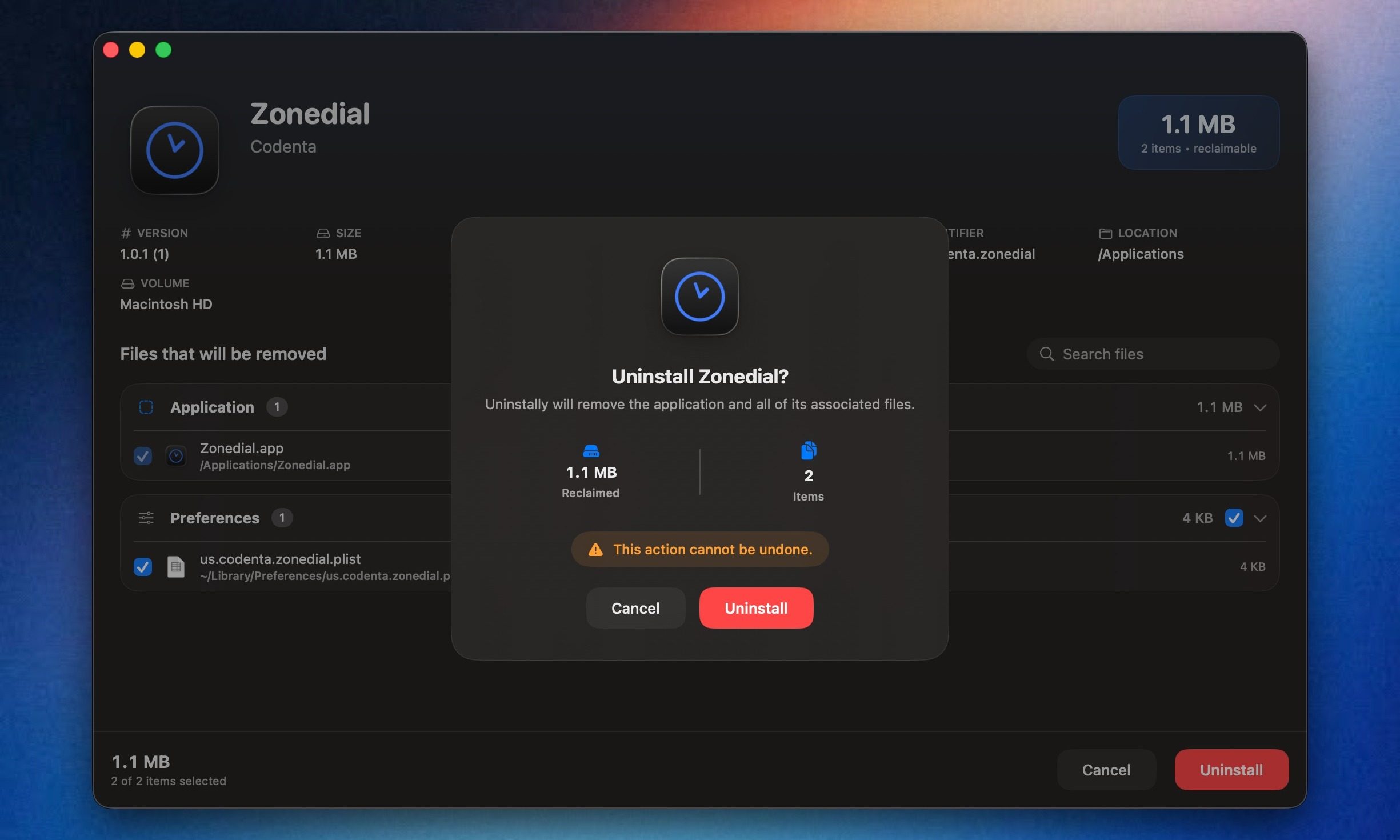
Uninstally macOS app UI

Uninstalling apps on macOS is usually very easy. You drag an app to the Trash, empty it, and move on. The annoying part is that many apps still leave residue behind, including support files, caches, preferences, containers, and logs. I have always found that frustrating, especially when old app data keeps sitting around long after the app itself is gone.

AppCleaner by FreeMacSoft has been the popular go-to option for this for years, and it still does the job well. But I recently came across a new open-source alternative called Uninstally by Codenta, which solves the same basic problem. It removes Mac apps along with the support files, caches, preferences, containers, logs, and other leftovers they usually leave behind.

Read more
AMD just made Ryzen laptop chips even more confusing, but here’s what’s actually new
The refreshed lineup brings more Zen 4 processors to mainstream and budget laptops.
AMD Ryzen 100 and 200 series

AMD has quietly expanded its mobile processor portfolio with 11 new Ryzen laptop processors, adding fresh models under both the Ryzen 200 and Ryzen 100 families. While that sounds straightforward enough, the bigger story isn't the chips themselves -- it's AMD's increasingly confusing naming strategy. The company has introduced seven new Ryzen 200 processors alongside four new Ryzen 100 models, but despite belonging to different series, many of them are actually built on the same Hawk Point silicon featuring Zen 4 CPU cores and RDNA 3 integrated graphics.

The Ryzen 200 series gets seven new CPUs

Read more
OpenAI is killing ChatGPT Atlas browser. I loved it, but it was an uphill race to the top
It was a trailblazer in a few ways, before it was copied down to its skeleton.
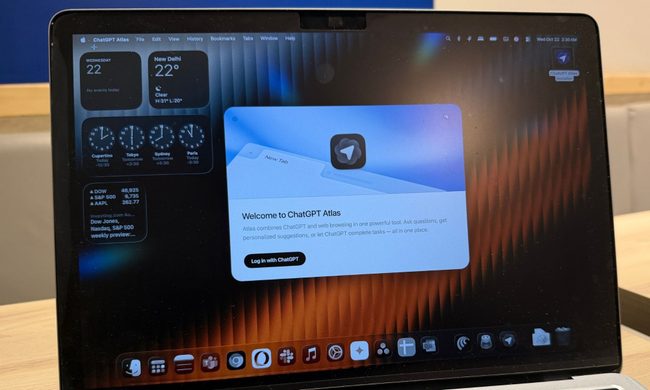
ChatGPT Atlas browser on a MacBook.

When OpenAI launched its own web browser, there was plenty of skepticism as to why a frontier AI lab is even bothering with making a browser in the first place. And yet, the company went ahead and launched ChatGPT Atlas with a heavy dosage of AI features built in. Well, the days of browser ambitions are over, and it will be put on cold ice in September this year.

OpenAI says it is sunsetting the short-lived browser in favor of pushing the new ChatGPT work desktop app, which already has a built-in browser as well as a cloud browser for AI agents. And now that ChatGPT is making its way to other browsers, such as Chrome, as an extension, there is little need for maintaining a dedicated browser project of its own.

Read more