1. Home
  2. Emerging Tech
  3. Business
  4. Cars
  5. News

U.S. hops on Boeing ban bandwagon, grounds 737 Max planes until further notice

Add as a preferred source on Google

The U.S. government, led by an executive order from President Donald Trump, has issued instructions that Boeing must ground all 737 Max aircraft operating inside the United States.

The ban comes days after a deadly crash of an Ethiopian Max 8 airliner killed 157 people, prompting many countries around the globe to issue their own grounding orders until the cause of the crash can be determined. A Max 8 jet crashed in Indonesia in October 2018, resulting in the deaths of 189 people.

Recommended Videos

“They are all in agreement with the action. Any plane currently in the air will go to its destination and thereafter be grounded until further notice,” Trump told White House reporters on Wednesday, March 13. To reach his decision, Trump reportedly coordinated with the Federal Aviation Administration, various U.S. carriers, as well as Boeing itself.

“Boeing continues to have full confidence in the safety of the 737 Max,” the company said in a press release. “However, after consultation with the U.S. Federal Aviation Administration (FAA), the U.S. National Transportation Safety Board (NTSB), and aviation authorities and its customers around the world, Boeing has determined — out of an abundance of caution and in order to reassure the flying public of the aircraft’s safety — to recommend to the FAA the temporary suspension of operations of the entire global fleet of 371 737 Max aircraft.”

In its own statement, the FAA said that it made its decision “as a result of the data gathering process and new evidence collected at the site and analyzed today.”

This is not the first time that the FAA has grounded all aircraft of a certain type following technical problems. In 2013, it ordered the Boeing 787 Dreamliners to be grounded as a result of lithium-ion battery malfunctions. However, it is an uncommon decision, and suggests that the “new evidence” referenced in the FAA’s statement could be significant.

Around 370 Boeing 737 Max jets have been in operation around the world. Of these, 74 are flown by U.S. airlines, including United Airlines, Southwest Airlines, and American Airlines. In a statement, American Airlines — which has a fleet of 24 of the 737 Max planes — has said that its teams will “make every effort to rebook customers as quickly as possible, and we apologize for any inconvenience.” It would seem likely that United and Southwest will offer similar arrangements, if they’re not doing so already.

Luke Dormehl
I'm a UK-based tech writer covering Cool Tech at Digital Trends. I've also written for Fast Company, Wired, the Guardian…
Yet another study says AI is bad for elections, and the rabbit hole gets worse
AI may be an election bomb waiting for someone to light the fuse
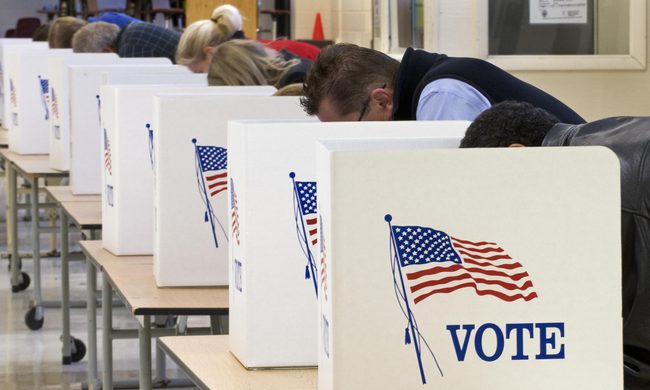
Voters cast their ballots on Election Day

Another election, another study has concluded that asking an AI chatbot for political guidance is a spectacularly bad idea. Research conducted during Hungary’s 2026 parliamentary election found that ChatGPT and Google Gemini offered not just inaccurate but also inconsistent and unreliable voting advice. The chatbots misclassified voter profiles, overlooked relevant parties, recommended parties absent from the ballot, and sometimes produced materially different answers when given the same information repeatedly.

AI keeps failing the voter test

Read more
Samsung’s humanoid robot ambitions are real, but factories come first
Samsung’s new robotics division has humanoids in its sights, although its immediate business is far more practical factory automation
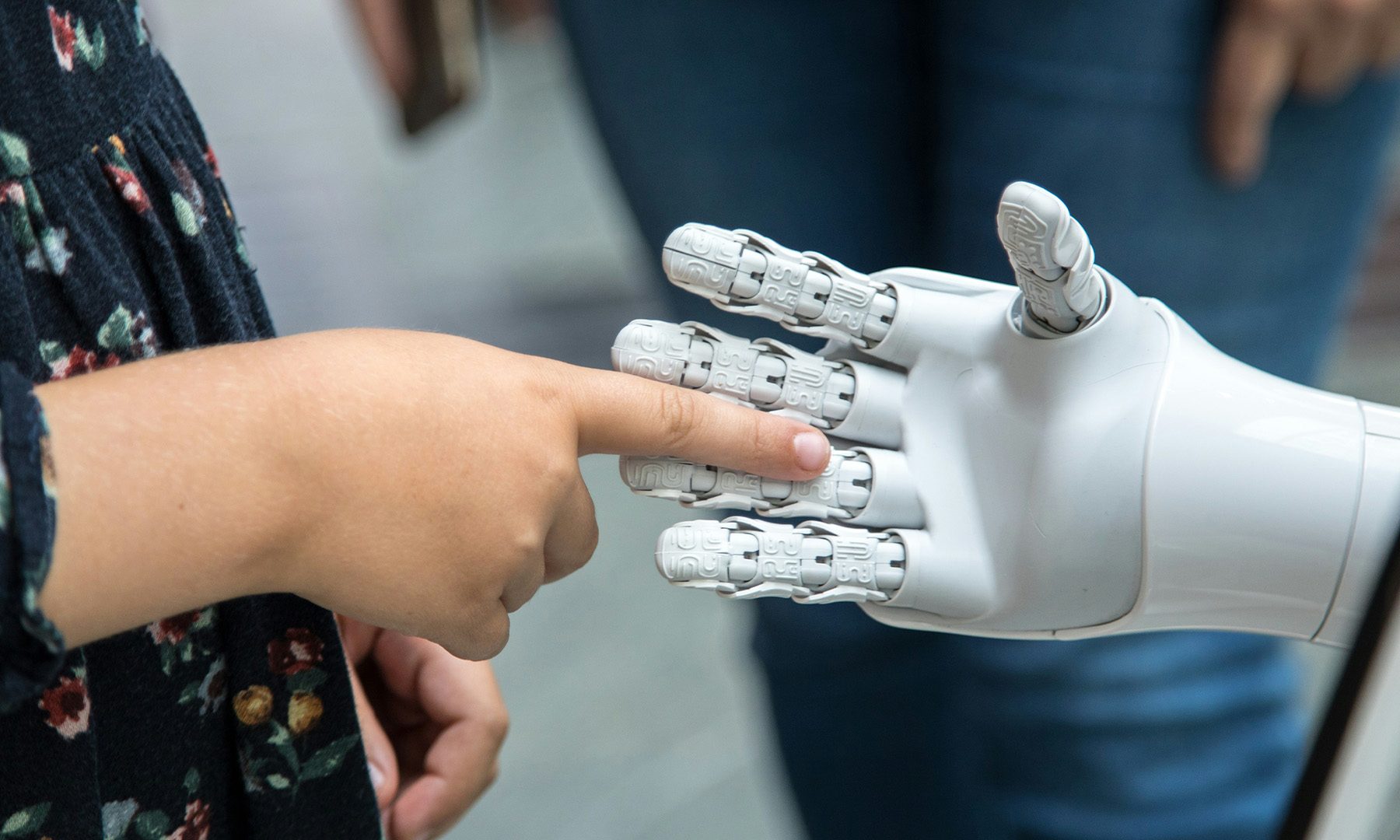
Robot Touch Human Finger

Samsung wants a place in the humanoid race, but its new robotics push begins with machines built for factories rather than homes.

The CEO-led RX robotics division will initially focus on manufacturing robots. Samsung has separately identified humanoids as a priority, although it hasn’t announced a commercial model or explained where one fits into the division’s immediate plans.

Read more
The future of AI may depend on this one behind-the-scenes change
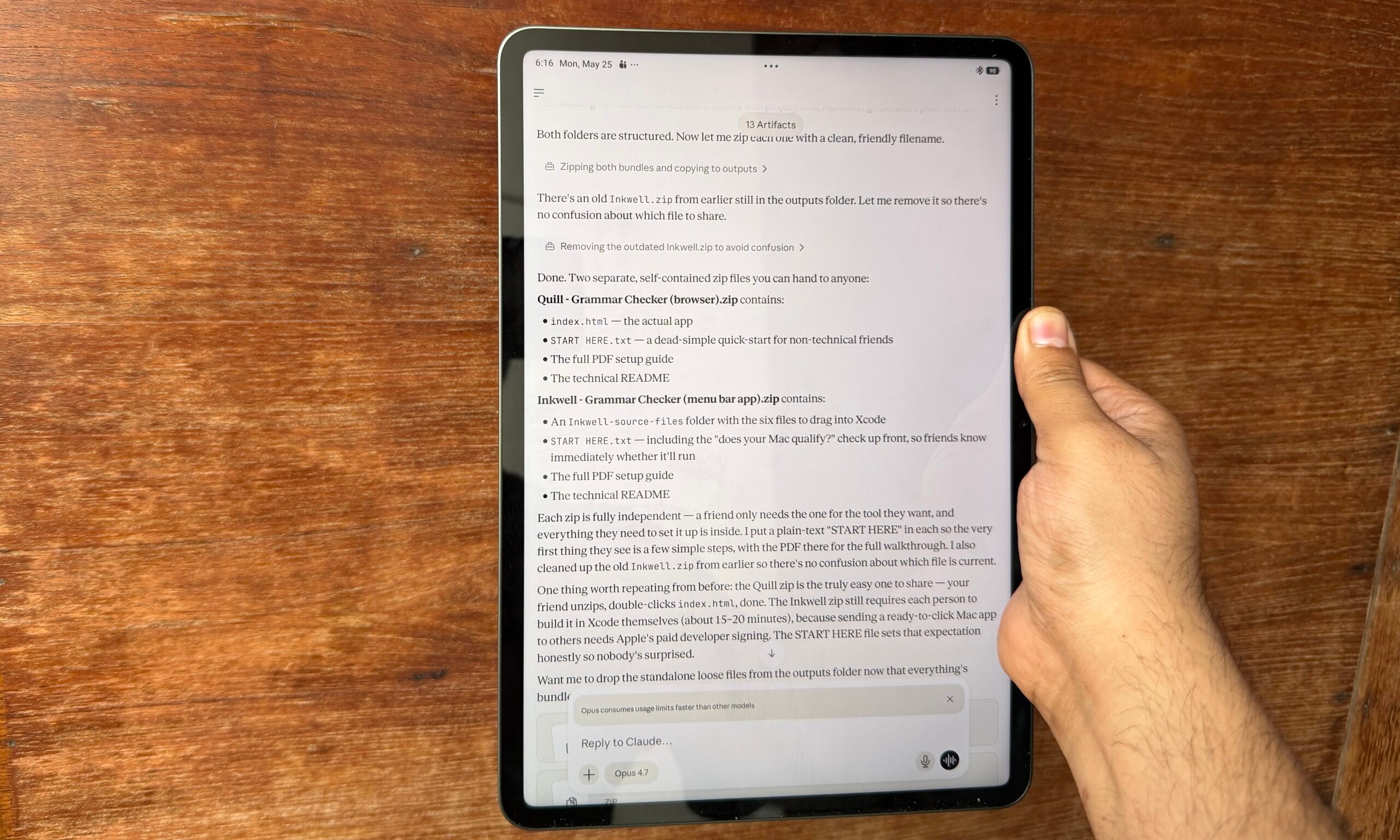
Running Claude on Android.

Whenever a new AI model arrives, it's easy to get caught up in the bells and whistles. We talk about how much smarter it is, how quickly it answers questions, or how realistic its images have become. But here's the thing: none of that matters much if the AI can't reliably work with the apps and services people use every day.

That's why an upcoming update to the Model Context Protocol (MCP) caught my attention. It isn't a new chatbot or a fancy AI model. In fact, most people will never even know it's happening. But it could quietly make the AI ecosystem a lot healthier. If you've never heard of MCP before, don't worry. Think of it as a shared language that lets AI assistants safely talk to apps like Gmail, Slack, calendars, databases, and countless other services. Instead of every company inventing its own way to make those connections, MCP gives everyone a common rulebook.

Read more