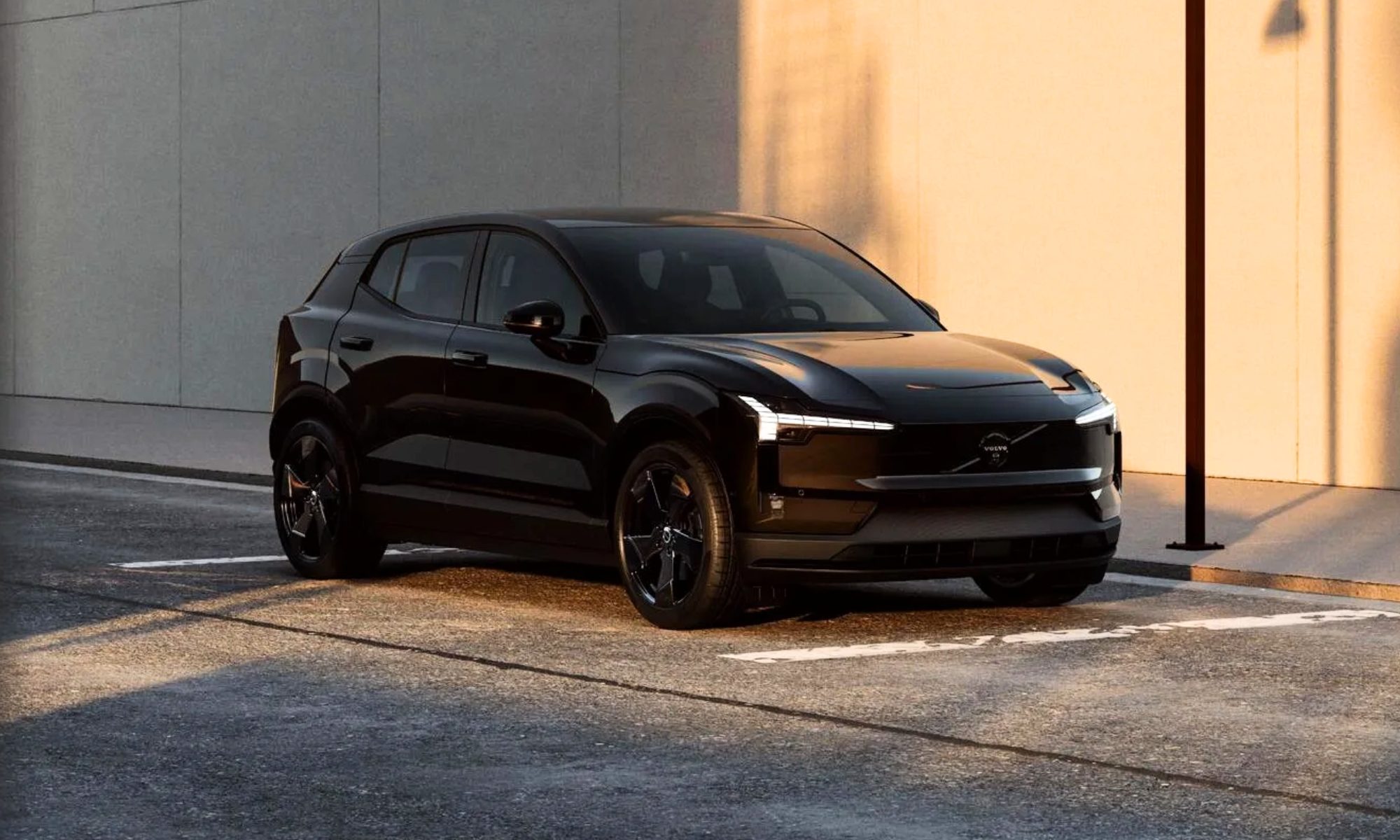
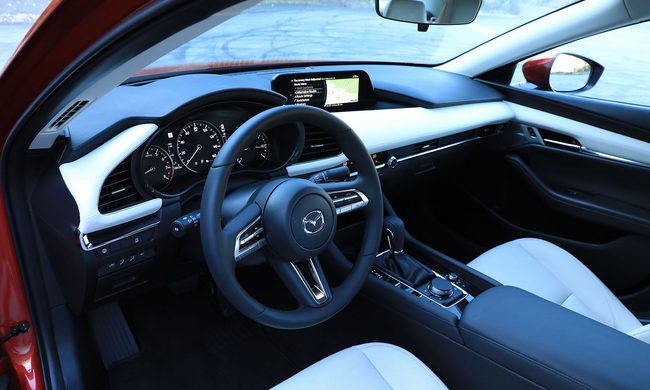
Hyundai treated the Elantra, one of its most popular and most affordable models, to comprehensive updates for the 2019 model year. Not one to rest on its laurels, the South Korean firm is again updating the nameplate for the 2020 model year with additional standard features developed to make driving safer and more convenient, plus a new transmission that boosts fuel efficiency.
The big news for 2020 is that every Elantra, from the cheapest model to the most expensive variant, offers front collision assist. This technology relies on the front-facing camera to detect an imminent collision, warn the driver about it, and automatically apply the brakes if needed. Front collision technology helps reduce rear-end collisions by 50 percent, according to the Insurance Institute for Highway Safety (IIHS). The list of standard features also grows with the addition of lane-keeping assist, which steers the car back into its lane if it veers out, and driver attention warning, which detects driver fatigue.
Automatic dual-zone climate control and a 3.5-inch thin-film transistor (TFT) information display embedded in the instrument cluster also join the list of standard features for 2020. Both features were previously available only on more expensive variants of the car.
The specifications sheet changes for the 2020 model year, too. Hyundai developed a continuously variable transmission (CVT) that replaces the six-speed automatic that was previously available on most trim levels. The company claims switching from a conventional automatic to a gear-less CVT improves efficiency by two mpg in a combined cycle across the board. The efficiency champ of the Elantra lineup is the SE model, which achieves up to 35 mpg.
The CVT comes with pre-programmed virtual gears in a bid to appease drivers who are used to driving a regular automatic. Alternatively, the Sport and Eco models carry on with a seven-speed, dual-clutch automatic transmission. However, the six-speed manual transmission that was offered on the SE and Sport trims has been phased out for the 2020 model year, likely due to a lack of demand.
While Hyundai made big changes in the transmission department, the portfolio of available engines carries over without major modifications. The standard engine is a naturally aspirated (read: turbo-less), 2.0-liter four-cylinder that makes 147 horsepower. Eco models receive a turbocharged, 1.4-liter four with 128 hp on tap. Finally, the enthusiast-baiting Sport model benefits from a 1.6-liter turbo four that puts 201 hp under the driver’s right foot. Hyundai also gifted the Sport model with a redesigned rear suspension to improve handling.
The 2020 Hyundai Elantra will go on sale across the United States in the spring. Pricing starts at $18,950 before Hyundai adds a mandatory $920 destination charge. The extra standard equipment is nice, but it’s not free. To add context, the outgoing 2019 model carries a base price of $17,200. When it arrives in showrooms, the updated 2020 Elantra will face competition from the Honda Civic and the Volkswagen Jetta, among others.