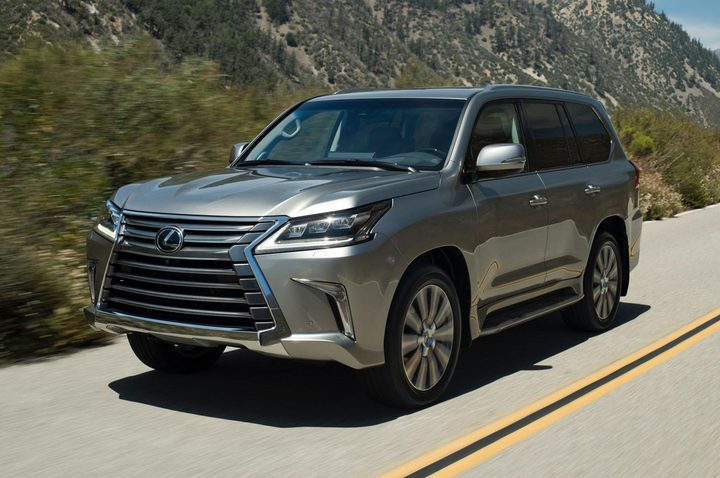
Lexus recently announced plans to offer an electrified version of every single model in its lineup by 2025. While bulky off-roaders such as the LX (pictured) and the GX don’t fall in line with its push toward greener, more eco-friendly forms of transportation, Digital Trends has learned that the 30-year old company remains committed to offering a diverse portfolio of nameplates. These will include electric cars and burly, V8-powered SUVs as it prepares for the changes that will sweep across the automotive industry during the 2020s.
“We need to have some balance,” Koji Sato, executive vice president of Lexus, told Digital Trends in an exclusive interview. “We want to be a car manufacturer that responds to and also aligns itself with your lifestyle. If the lifestyle is broad, then we have to have a broader lineup. And, there is still a strong demand for SUVs,” he added.
He has a point: SUVs and crossovers represented nearly 50% of the American new car market during the first half of 2019. Customer demands are seemingly at odds with government demands, though, especially in markets like China and Europe. Motorists want SUVs; regulators want cleaner-burning cars or, better yet, electric cars. Lexus is convinced it can satisfy both sides. While the LX and the GX aren’t the most efficient cars in its portfolio, and that won’t change even if the rumors of downsized engines are correct (they most likely are), Sato told us he is confident the firm will be able to offset their combined emissions by leveraging different forms of electrification to make other nameplates cleaner than they currently are. Building a cleaner IS, for example, can compensate for the GX when Lexus tallies its fleetwide emissions.
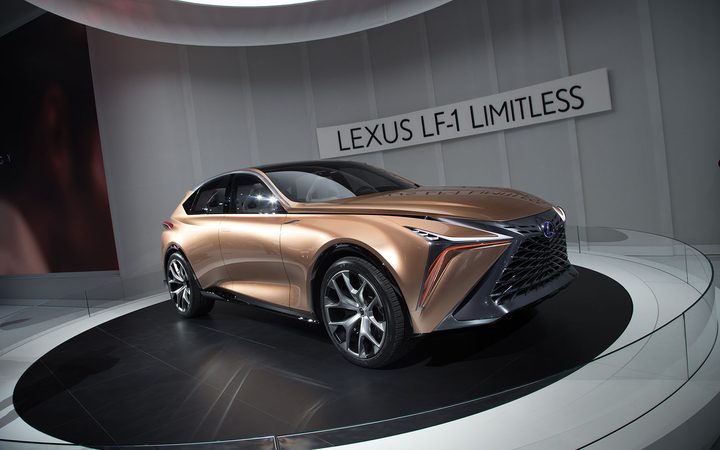
This approach leaves the door open for more high-riding models. The LF1 Limitless (pictured below) unveiled at the 2018 Detroit Auto Show will remain a concept, but Sato conceded there are still gaps in the company’s portfolio of crossovers and SUVs. Filling them makes sense; he doesn’t believe consumers will get tired of SUVs anytime soon. And yet, he doesn’t think every sedan needs to be replaced by a high-riding model because he still sees a tremendous amount of potential in the body style.
“The SUV trend will continue. Motorists are not going back to sedans,” he opined. “Still, the sedan has a role because of the beauty of the car, the better handling, the lower center of gravity, and the more formal style. The sedan has its own uniqueness. The SUV is the main player, generally, but we need to keep the sedan.”
“The SUV trend will continue. Motorists are not going back to sedans.”
SUVs and electrification are just two of the trends shaping the new car market as 2020 approaches. Autonomy is another, and Lexus has its bases covered there, too. It will release a suite of electronic driving aids called Highway Teammate in 2020. It will be a level two system, like Tesla Autopilot and Cadillac Super Cruise, so cars equipped with it will by no means be fully autonomous, but it’s being developed as a continuously evolving technology that can be upgraded over time.
“We are starting from level two, we have the capability to update it in the future, and we are planning to do that,” he noted without giving further details.
Like all of its rivals, Lexus sees autonomous technology as a way to reduce the number of traffic accidents. The company takes its vision a step further than many, though. It wants mobility for all and predicts that self-driving technology will significantly improve the lives of senior citizens, teenagers too young to drive, and disabled citizens.
Here, too, Sato takes a very balanced approach. He echoed a recent study that concluded customers aren’t demanding autonomous vehicles, and he pointed out the firm’s investment in the technology is part of its vision of sustainable growth. His idea isn’t to replace the human driver with a computer driver in every scenario.
Sato — a driving enthusiast, and a self-confessed fan of big engines — smiled as he told Digital Trends that the enjoyment motorists feel when they drive the right car in the right conditions needs to remain a part of our lives in the coming years. Electrification, autonomy, and high-riding models will become the norm during the 2020s, and not just at Lexus, but not at the expense of driving enjoyment. Not if Sato has anything to do with the looming shift.
“We will offer drivers the choice to shut off all technologies that can interrupt driving. We will continue to offer a human-focused Lexus driving experience, and we will never forget the value of driving for our customers,” he stressed.