Michael Kors is joining Fossil’s footsteps in upgrading its smartwatch lineup for 2019, introducing three new wearables sporting Google’s Wear OS platform. They include the Michael Kors Access MKGO, Access Lexington 2, and Access Bradshaw 2. The latter two are upgrades of previous Michael Kors smartwatches, but the MKGO is the brand’s first fitness-focused device.
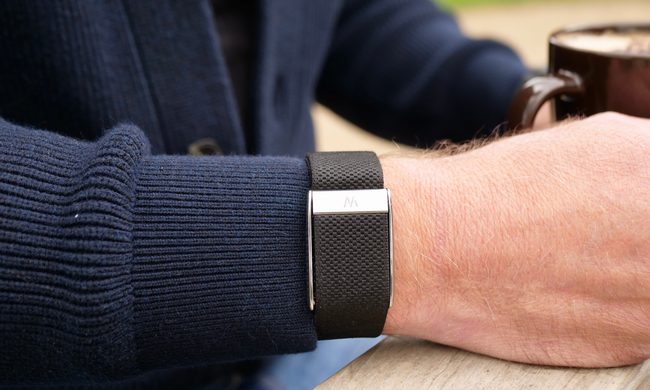
The Access MKGO is similar to other recently-announced, sporty Wear OS watches, like the Puma Smartwatch. There’s a Qualcomm Snapdragon Wear 3100 processor powering it — though with just 512MB of RAM — as well as a heart rate monitor and built-in GPS. But the design is a bit different. There are three buttons on the right edge of the 43mm nylon case, and the lugs stick out just a little more. Michael Kors also said the MKGO is its lightest smartwatch to date.


- 1. Access Bradshaw
- 2. Access Lexingtoon
- 3. Access MKGO
It comes in a number of different colors and has a 20mm silicone strap to match. What else is available? It’s 3 ATM swim-proof, so you can track swims with third-party apps, and Michael Kors said the watch can sync workouts to training apps. There’s a 350mAh battery, which the company claims to last 36 hours, 4GB of internal storage so you can download music, and NFC is on board so you can use the watch to make contactless payments via Google Pay (Michael Kors said NFC is available in select countries).
The screen here is just 1.19 inches, but it as a 390 x 390 resolution so it should look sharp.
Access Brashaw 2 and Lexington 2
The other two watches are more powerful and opt for designs that look more appropriate at the dinner table. The 44mm Access Lexington 2 boasts a stainless steel case with a classy-looking 22mm stainless steel band. It’s available in a few different colors, including silver stainless steel and combinations of silver and gold, like the previous-generation Access Lexington. The 44mm Access Bradshaw 2 is available in a few different colors too — including gray, gold, and a rose gold — and also supports 22mm straps. Both have three buttons on the right for controlling different aspects of Wear OS, and 1.28-inch AMOLED screens (328 pixels-per-inch).
Like most recent Wear OS smartwatch models, these two devices are also powered by the Snapdragon Wear 3100 processor, but there’s 1GB of RAM so performance should be better than the MKGO. There’s also 8GB of internal storage so you can download even more music for on-the-go listening.
Topping it all off are a heart rate sensor under the hood, built-in GPS, NFC for Google Pay, and they’re also swim-proof with 3 ATM water-resistance. Battery sizes are smaller than the MKGO, though, coming in at just 310mAh each.

Both smartwatches also have speakers, so you can answer and listen to calls straight from the watch without having to pull out your Android or iOS smartphone. They also pack a new extended battery life mode that allows them to last for multiple days on a single charge, albeit with limited functionality. It’s similar to the new battery saving modes on Fossil’s latest watch.
All three watches come with Noonlight, an app that can contact emergency services, and Spotify pre-installed.
Price and availability
The Michael Kors Access MKGO is available for $295, and you can get it straight from Michael Kors’ website now.
The Lexington 2 and Bradshaw 2 both start at $350, but the prices go up for slightly different designs. The Lexington 2 is available now for purchase from Michael Kors, but you’ll have to wait until October if you want to get your hands on the Access Bradshaw 2.