1. Home
  2. Emerging Tech
  3. Social Media
  4. News

Facebook hopes its new Ray-Ban smartglasses will replace your smartphone

Add as a preferred source on Google

Facebook is reportedly entering the smartglasses market with its version of augmented reality eyeware — and it thinks they’ll be good enough to replace your phone.

According to CNBC, Facebook has partnered with Luxottica, Ray-Ban’s parent company, to develop a pair of glasses that it hopes would permanently replace smartphones. The glasses, known internally as Orion, would be able to take phone calls, show information via a small display in the frames, and allow people to livestream what they see to social media followers.

Recommended Videos

The glasses would also include an AI voice assistant as well as a ring device, though it’s not entirely clear how that would work. The internal code name for the ring device is Agios. 

Consumers can supposedly expect these high-tech glasses to hit the market between 2023 and 2025. Citing an anonymous source familiar with the project, CNN said Facebook CEO Mark Zuckerberg wants to prioritize the completion of the Orion glasses. 

Facebook hinted at the glasses last October when the company told TechCrunch that they were doing a lot of research into creating AR glasses. 

Digital Trends reached out to Facebook and Luxottica to confirm details about the glasses and we’ll update this story if we hear back. 

More and more tech companies are trying to perfect smartglasses for consumers. Of course, there are Snapchat’s Snap Inc.’s Spectacles which can capture your world in a 3D view or take still images.

Tech company North also launched smart Focals last October that offer a number of features, like turn-by-turn directions, weather information, Spotify control, audio recording and more. 

Other companies haven’t been as successful in the glasses market: in 2013, Google’s Google Glass failed quickly due to the lack of proper software and the glasses’ awkward appearance. Glass has since been revived for the corporate user as the Google Glass Enterprise Edition 2, which has a $999 price tag.

We don’t know if Facebook glasses would be a hit or a flop, but it’s another sign that the company isn’t satisfied just owning the world’s biggest social network. Earlier this month, Facebook announced Facebook Dating available to U.S. users. Unlike other dating apps, Facebook Dating suggests people based on their interests, preferences, Facebook groups, and Facebook events. The company is also reportedly working on a streaming device under its Portal line.


Allison Matyus
Former Digital Trends Contributor
Allison Matyus is a general news reporter at Digital Trends. She covers any and all tech news, including issues around social…
Yet another study says AI is bad for elections, and the rabbit hole gets worse
AI may be an election bomb waiting for someone to light the fuse
Voters cast their ballots on Election Day

Another election, another study has concluded that asking an AI chatbot for political guidance is a spectacularly bad idea. Research conducted during Hungary’s 2026 parliamentary election found that ChatGPT and Google Gemini offered not just inaccurate but also inconsistent and unreliable voting advice. The chatbots misclassified voter profiles, overlooked relevant parties, recommended parties absent from the ballot, and sometimes produced materially different answers when given the same information repeatedly.

AI keeps failing the voter test

Read more
Samsung’s humanoid robot ambitions are real, but factories come first
Samsung’s new robotics division has humanoids in its sights, although its immediate business is far more practical factory automation
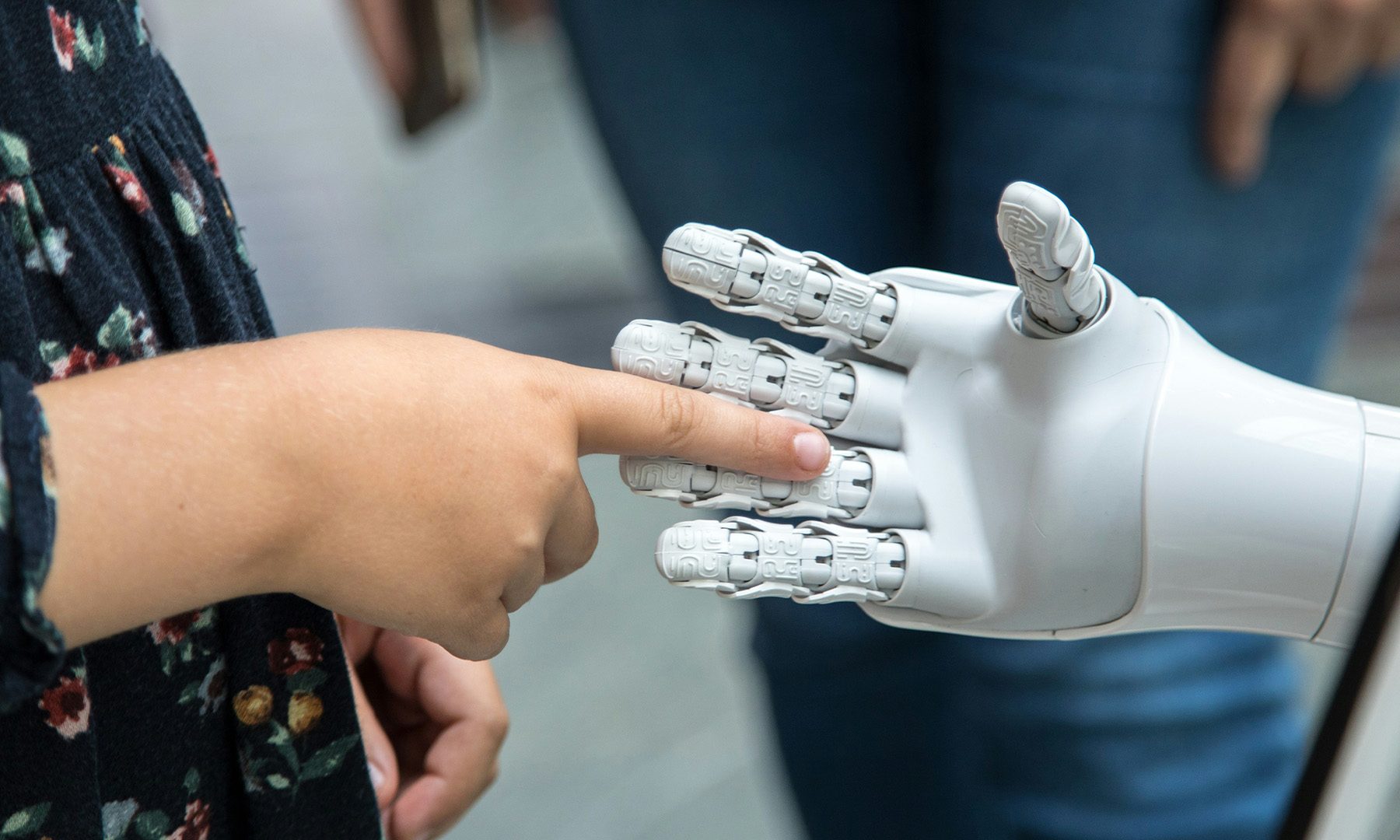
Robot Touch Human Finger

Samsung wants a place in the humanoid race, but its new robotics push begins with machines built for factories rather than homes.

The CEO-led RX robotics division will initially focus on manufacturing robots. Samsung has separately identified humanoids as a priority, although it hasn’t announced a commercial model or explained where one fits into the division’s immediate plans.

Read more
The future of AI may depend on this one behind-the-scenes change
Running Claude on Android.

Whenever a new AI model arrives, it's easy to get caught up in the bells and whistles. We talk about how much smarter it is, how quickly it answers questions, or how realistic its images have become. But here's the thing: none of that matters much if the AI can't reliably work with the apps and services people use every day.

That's why an upcoming update to the Model Context Protocol (MCP) caught my attention. It isn't a new chatbot or a fancy AI model. In fact, most people will never even know it's happening. But it could quietly make the AI ecosystem a lot healthier. If you've never heard of MCP before, don't worry. Think of it as a shared language that lets AI assistants safely talk to apps like Gmail, Slack, calendars, databases, and countless other services. Instead of every company inventing its own way to make those connections, MCP gives everyone a common rulebook.

Read more