1. Home
  2. Cars
  3. News

Toyota’s LQ concept has A.I. tech that knows when you’re stressed

Add as a preferred source on Google
Image used with permission by copyright holder

They may be inanimate objects, but cars can have personalities. The unique way a car responds to its driver can create a bond between human and machine. But that doesn’t mean future autonomous cars will be anonymous appliances, Toyota believes. Debuting at the 2019 Tokyo Motor Show, the Toyota LQ concept is a self-driving car that uses technology to a build a personal connection with its user.

“In the past, our love of cars was built on their ability to take us to distant places and enable our adventures,” Daisuke Ido, LQ development leader, said in a statement. “With the LQ, we are proud to propose a vehicle that can deliver a personalized experience, meet each driver’s unique mobility needs, and build an even stronger bond between car and driver.”

Recommended Videos

The all-electric LQ is an updated version of the Toyota Concept-i, which first appeared at CES 2017. Like its predecessor, the LQ features an artificial intelligence personal assistant called Yui. Vehicle occupants can “talk” to Yui to control various vehicle functions, and the tech can also monitor a person’s levels or stress or alertness. It can use a combination of lighting, climate control settings, and even fragrances to lower a person’s stress level, according to Toyota.

The LQ was designed for SAE Level 4 autonomous driving, meaning it is capable of driving without any human assistance, but still has a backup steering wheel and pedals. The car also features an automated parking system that allows vehicle occupants to get out and let the car search for a parking space on its own. The system also maximizes space in parking lots by letting cars park very close together, according to Toyota.

Because the LQ was designed for occasional manual driving, it also has some tech features designed around human drivers. An augmented reality head-up display projects information onto the windshield, and the seats were designed to help keep a person alert when the car is in manual mode. Built-in air bladders add back support, and the seat ventilation system blows cool air. Setting can be changed to help the driver relax when the car is in autonomous mode.

The LQ is just a concept car, and thus won’t go into series production. But it will get more real-world use than the average concept. Toyota will conduct public test drives in Japan between June 2020 and September 2020. The LQ’s predecessor, the Concept-i, will also be used in the torch relay for the 2020 Tokyo Olympics.

Stephen Edelstein
Stephen is a freelance automotive journalist covering all things cars. He likes anything with four wheels, from classic cars…
Waymo’s driverless cars keep getting parking tickets in Austin, and humans aren’t the only ones complaining
Waymo vehicles have collected $9,325 in Austin fines as repeated parking mistakes turn into a fleet-wide operational problem
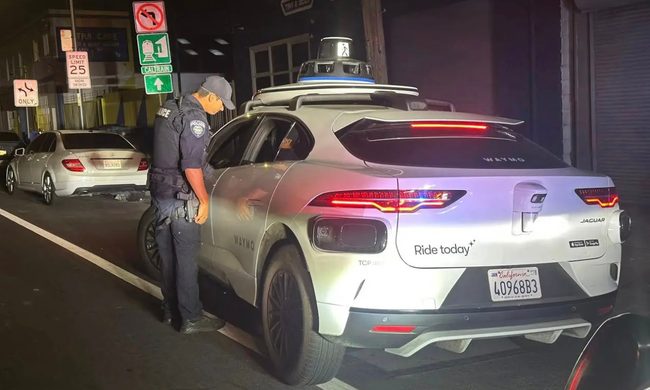
A police officer investigating an empty Waymo car.

Waymo’s 83 parking citations in Austin don’t amount to a financial crisis. They do reveal what happens when the same driving decisions are repeated across an autonomous fleet.

City records obtained by The Wall Street Journal show that Waymo vehicles have accumulated $9,325 in fines since arriving in 2024. The company has paid most of them, but the more revealing detail is how often its cars have made the same mistake.

Read more
Google Maps’ biggest Android Auto upgrade is reaching more users
Google Maps is finally giving Android Auto users directions with a little more drama.
Electronics, GPS, Car

Google is widening the rollout of two long-awaited Google Maps features for Android Auto users: Immersive Navigation and a built-in live speedometer. After months of limited availability, reports suggest both features are now reaching a broader group of users, including people running stable versions of Google Maps instead of beta builds.

The update is part of Google's ongoing effort to modernize the Android Auto navigation experience. While the company unveiled Immersive Navigation earlier this year as one of the platform's biggest upgrades in years, the feature has been trickling out slowly, leaving many users without access. That appears to be changing, with more devices now receiving the update through a server-side rollout.

Read more
Tesla’s hidden door problem might end up fixing every car in America
This could permanently change how emergency exits are designed in American passenger vehicles.
Tesla Model Y Long Wheelbase Featured

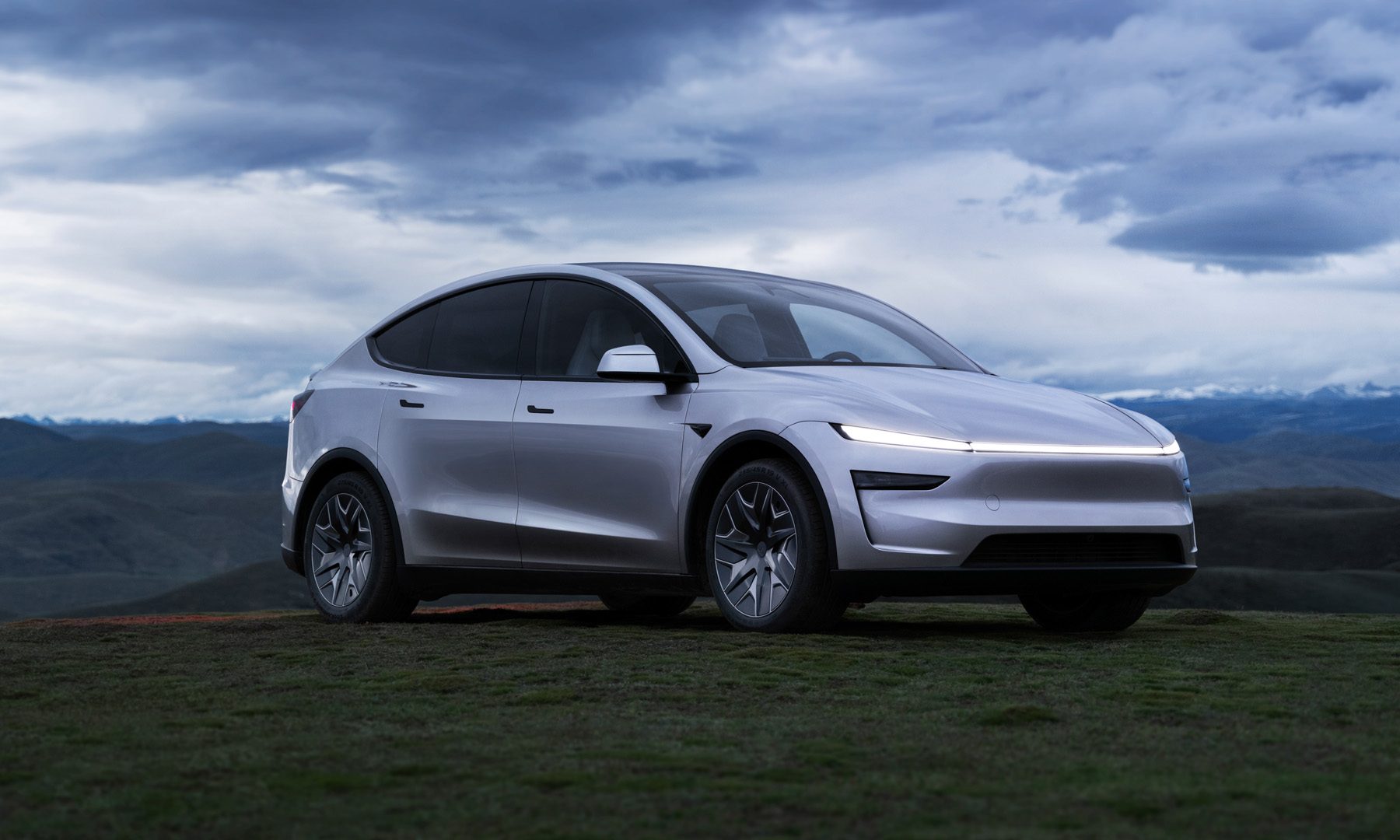
Tesla's electronic door handles have been a safety talking point for years, mostly on Reddit threads and EV forums where people debate whether sleek design is worth the tradeoff when a car is on fire and power is out. 

Now the US government has formally weighed in (via The Washington Post). The outcome, I’d say, is bigger than most people think.

Read more