1. Home
  2. Photography
  3. Computing
  4. News

Researchers use A.I. to make smiling pet pics — and it’s as creepy as it sounds

Add as a preferred source on Google
NVIDIA Research

Can’t get your dog or that tiger at the zoo to smile for your Instagram? A new artificially intelligent program developed by researchers from Nvidia can take the expression from one animal and put it on the photo of another animal. Called GANimal — after generative adversarial networks, a type of A.I. — the software allows users to upload an image of one animal to re-create the pet’s expression and pose on another animal.

GAN programs are designed to convert one image to look like another, but are typically focused on more narrow tasks like turning horses to zebras. GANimal, however, applies several different changes to the image, adjusting the expression, the position of the animal’s head, and in many cases, even the background, from the inspiration image onto the source image. Unlike most GANs, the program is designed to work with any animal.

Recommended Videos

Just how well it works, however, is up for debate. One of the sample images shared by the researchers makes a pug look more like a mastiff and a fox look more like a lynx. While some of the sample images have a rather creepy look to them, the research could have important implications on future A.I. research.

As Nvidia explains, previous programs needed several images of the target animal to work, where the new program needs only one. The researchers call the variation a FUNIT — “a Few-shot UNsupervised Image-to-image Translation” algorithm. The target, or animal the new expression is to be added to, is specified with a small handful of images instead of the mass number usually required to train artificial intelligence programs.

The program learned to mix those expressions onto a new animal in the same way that a lot of people learn — practice. “In this case, we train a network to jointly solve many translation tasks where each task is about translating a random source animal to a random target animal by leveraging a few example images of the target animal,” said Ming-Yu Liu, one of the lead researchers on the project. “Through practicing solving different translation tasks, eventually the network learns to generalize to translate known animals to previously unseen animals.”

The work could lead to real-world uses with additional research, Nvidia suggests, including the creation of live-action movies using easily trainable dogs, then using A.I. to turn those dogs into tigers. But, the work is also an ongoing part of researcher Liu’s goal to use neural networks to give software an “imagination” that’s more human.

The program is available to try out on your own photos at Nvidia’s AI Playground.

Hillary K. Grigonis
Hillary never planned on becoming a photographer—and then she was handed a camera at her first writing job and she's been…
The FCC’s latest crackdown could put more than DJI drones at risk in the US
Robot, Person, Face

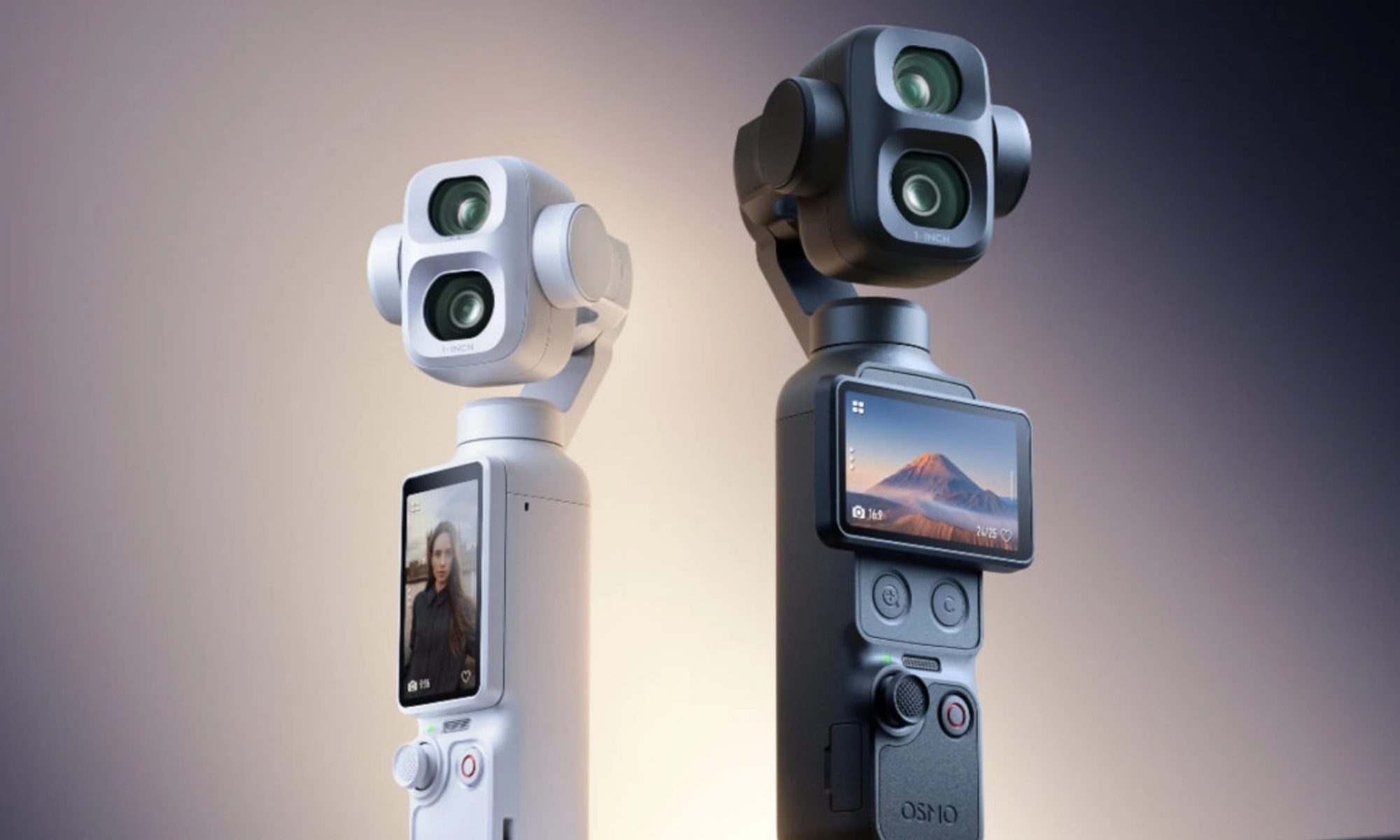
DJI may have found creative ways to keep some of its products flowing into the US, but those efforts are now drawing increased attention from regulators. According to The Verge, the US Federal Communications Commission (FCC) has started cracking down on several companies it believes could be helping DJI continue selling products in the country. These businesses have been described by industry observers as "DJI front companies" because they market or import products that appear to be closely tied to the Chinese drone maker while operating under different brand names.

DJI's alleged back door may be closing

Read more
I bought Kodak’s viral keychain camera, and the bad photos are part of its charm
The Kodak Charmera is barely a camera, and I still keep using it
Machine, Wheel, Camera

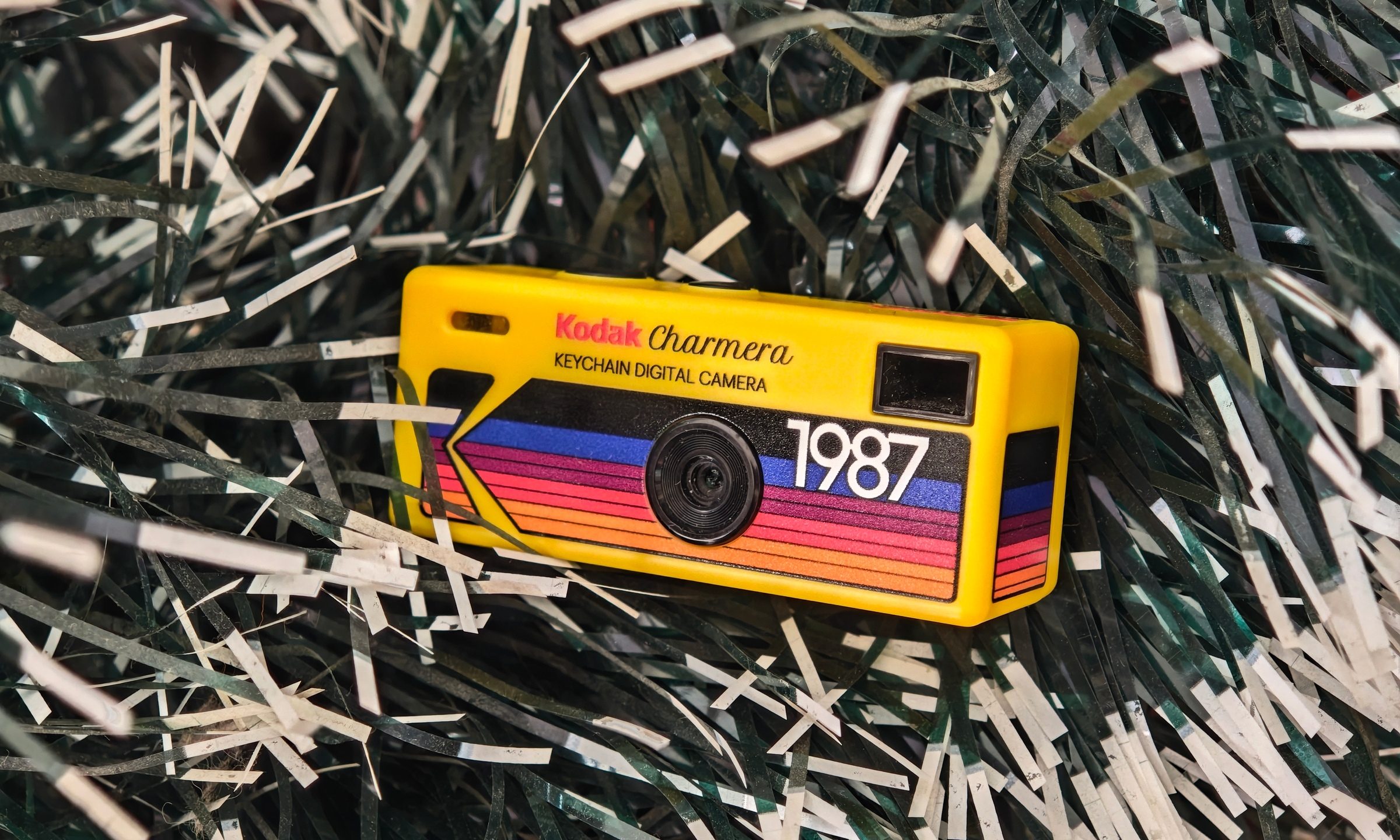
I bought the Kodak Charmera partly because I wanted a portable digital camera, and partly because I wanted a pretty little collectible. The Charmera is sold as a blind box, so you do not know which version you are getting until the box is opened. There are multiple retro Kodak-style designs, plus a transparent secret edition that looks like the one everyone would want.

I had the shopkeeper pick my box for better luck, and it worked out. I got the yellow variant, which is inspired by Kodak's original 80s disposable camera. The transparent one is definitely the fun collector’s piece, but the yellow model feels like the proper Kodak version. It looks like a tiny toy camera that escaped from a souvenir shop, found a keyring, and now hangs around wherever you go.

Read more
This new $30 keychain camera is coming for Kodak Charmera with a flip screen for selfies
Yashica's new camera makes toy photography more fun
YASHICA Funtastic Keychain Camera in multiple variants

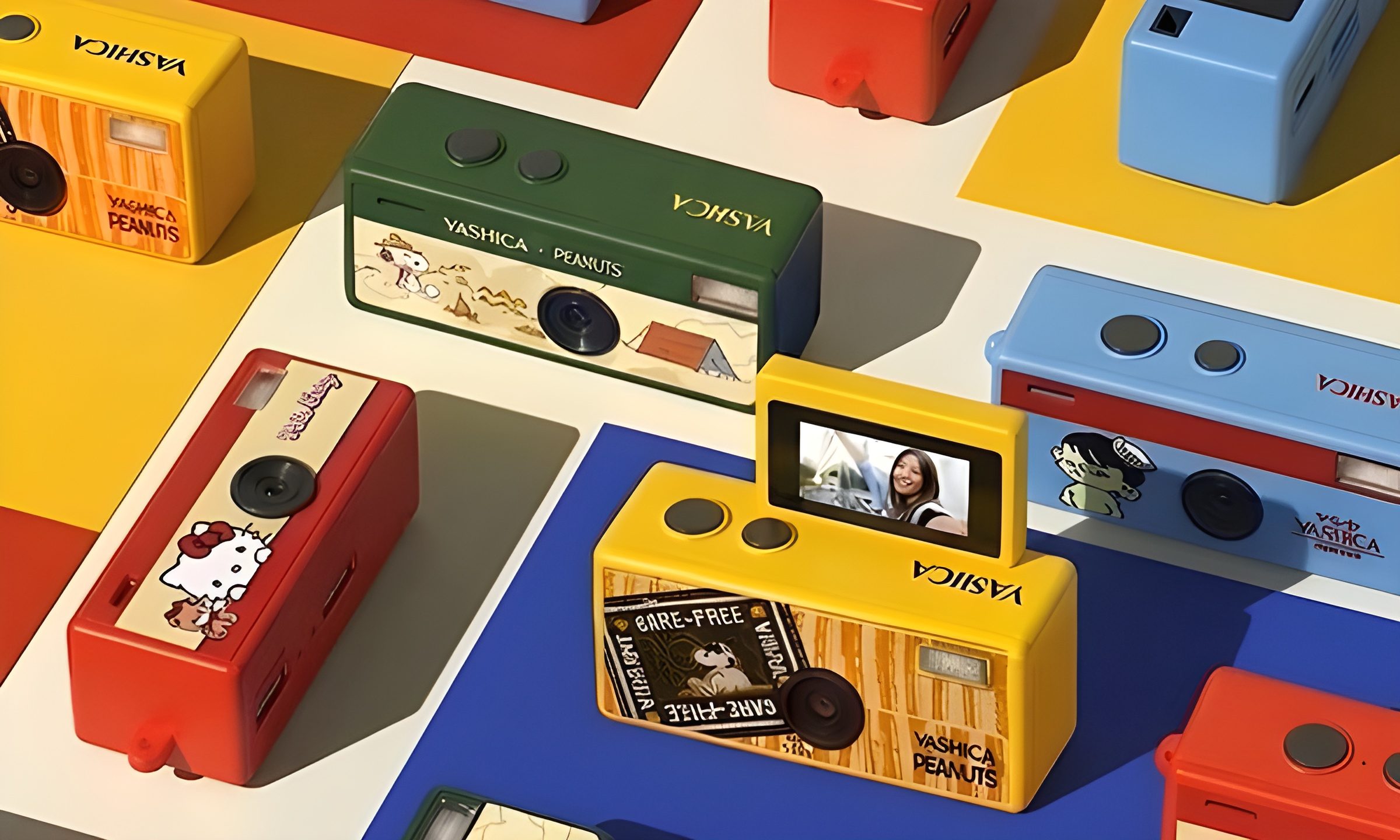
Tiny digital cameras are all the rage, and Yashica is now offering a very cute toy photography experience of its own. The company’s new Funtastic Keychain Camera is exactly what the name suggests, a miniature digital camera small enough to clip onto your keys, bag, or lanyard. The popular Kodak Charmera is the obvious comparison, which brings a tiny blind-box keychain camera that became a viral collectible.

Now, Yashica's version lands in the same novelty-camera lane, but adds one very useful trick, which is a 180-degree flip screen.

Read more