Quibi, the new video platform that launched this week, takes its name from an abbreviation for “quick bites” — a reference to the short-form video content it delivers to smartphones (and only smartphones).
And yet, despite a long, impressive list of projects featuring A-list actors and filmmakers in its launch-day lineup and a massive investment behind it, a quick bite could also describe how long the platform survives in the current environment.
What is Quibi?
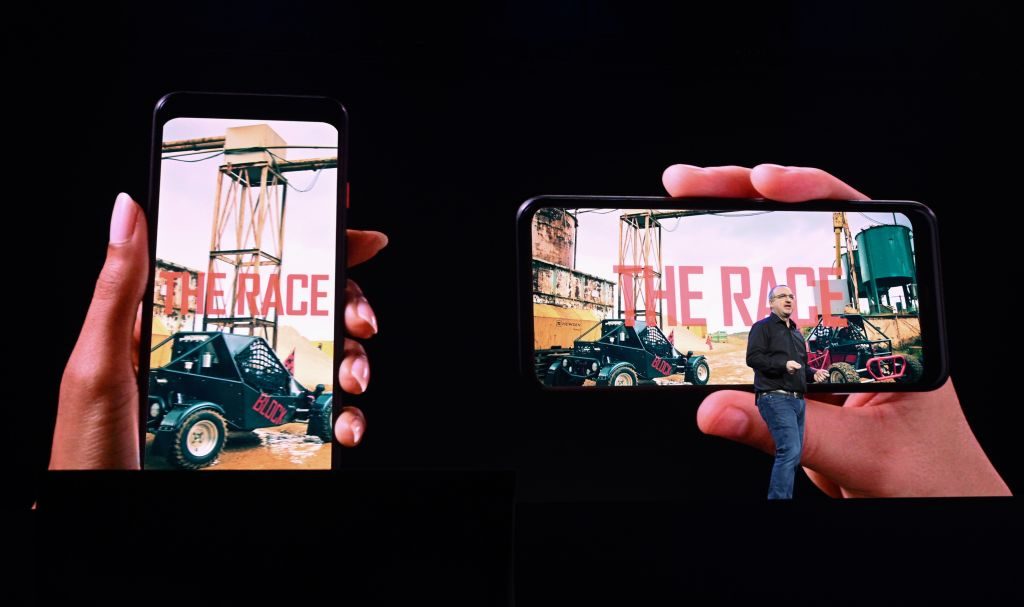
Founded by Disney and DreamWorks alumni Jeffrey Katzenberg and led by CEO Meg Whitman, formerly of Hewlett Packard Enterprise, Quibi provides a mix of original and reimagined shows and movies released as a series of 10-minute chapters. The content is made to watch on mobile devices, and subscribers can pay $5 monthly for ad-supported access to Quibi content or $8 monthly for ad-free viewing.
The company raised more than $1 billion in funding from investors and Hollywood studios to bring it to this point, and while the concept is intriguing, the company also backed it up with a list of projects that includes everyone from Steven Spielberg and Tom Cruise to LeBron James and Chrissy Teigen.
It would seemingly be easier to list the number of major and minor celebrities who don’t have Quibi projects in the works than those who do, with the service reported to be launching around 175 new shows in its first year.
But star power and a novel concept isn’t everything, and Quibi could have a tough time carving out a long-term niche for itself in the current environment.
Timing is everything
In many ways, this might be the worst possible moment for a service like Quibi to launch.
As it stands now, Quibi content is exclusive to mobile devices, which means subscribers are likely limited to the smallest screen in their household if they want to watch Spielberg’s mysterious horror series After Dark or Ridley Scott’s sci-fi thriller CURS_R. The service currently prevents subscribers from casting their content to bigger screens or otherwise streaming Quibi content, opting to treat the mobile-only restriction as a feature instead of a bug.
In another time, this might have seemed like an interesting angle to explore with video content, but with much of the U.S. currently confined at home due to the coronavirus pandemic, phones are the last place most people are going for their movies or TV shows. On top of that, with mass transit restricted in many cities, the audience for Quibi’s commute-friendly fare simply doesn’t exist right now.
And with many in-production shows and movies currently in limbo due to the pandemic, there’s a chance Quibi users under lockdown could binge their way through the service’s library of short-form content faster than anticipated and then be stuck waiting for more.
But it’s not just the pandemic environment that could mean trouble for Quibi.
Who’s watching Quibi?
Given all of the restrictions on how subscribers can view Quibi content, one can’t help wondering exactly who the service is intended for.
Quibi is ostensibly aimed at millennials and younger generations that have grown up considering their smartphones just another media device. They get their music, books, TV series, and even movies via the device that spends 24 hours a day within their reach, so a platform dedicated to content made specifically for that device does — in theory — make a lot of sense.
But if you look at what sort of content is being consumed on those devices, the outlook gets a bit shakier.
A June 2019 report on Americans’ media consumption indicated that watching digital video comes in a distant third on the list of how people are using their mobile devices, well behind streaming music and social media. Take into account how much of that video likely comes from user-generated libraries like TikTok and YouTube, and the potential audience for Quibi gets even smaller.
In 2018, a report from industry-leader Netflix indicated that just 10% of its content was being streamed on smartphones. Coming from the service that has made binge-worthy video its specialty, that’s not exactly an inspiring number for a new service restricted to smartphones.
Sure, a lot can change in people’s viewing habits in just a few years but have they changed enough to support a smartphone-only video platform that costs almost as much as Hulu, Disney+, and CBS All Access (which can all be watched on the web and via TVs and mobile devices) but offers fewer hours of content in its library? That’s a tough sell, no matter who is in the shows’ casts or creative teams.
To bite or to binge
Only time will tell if Quibi manages to overcome the aforementioned obstacles, but it certainly makes for an intriguing platform to watch — from the outside, at least — as it tries to find its place in the streaming video environment.
Given the talent involved and the money behind it, Quibi offers the best test yet of mobile devices’ viability as the primary format for movie and TV projects’ consumption. For better or worse, Quibi will live or die on smartphones’ screens, and how it fares could change the way studios look at mobile devices down the road.
Whether this quick bite turns into something more substantial in the cornucopia of streaming options could offer some insight regarding the future of movies and TV in an increasingly mobile world. And regardless of how we feel about Quibi, that is something worth watching.