1. Home
  2. Cars
  3. News

Tesla delays the $200,000, 250-mph Roadster until late 2021 at the earliest

Add as a preferred source on Google

The second-generation Roadster celebrated by Tesla as the quickest car in the world has been delayed, according to Elon Musk. Expected to arrive in 2020, it’s now scheduled to enter production in 2021 at the very earliest.

Musk broke the news during his second appearance on the Joe Rogan Experience Podcast. He explained the next Roadster likely won’t see the light that awaits at the end of a production line until after Cybertruck and Semi deliveries begin. The former has been penciled in for a late 2021 launch, though some versions won’t be available until 2022, while the Semi — a program that has also seen its fair share of delays — will arrive next years as well.

Recommended Videos

The executive didn’t explain why developing the Roadster will take approximately two years longer than expected. Tesla has a long history of delaying its vehicle launches for various reasons, but it surprised the public and the press by starting production of the Model Y (the fourth member of its current range) well ahead of schedule.

When it finally does arrive, the second-generation Roadster will stand out as one of the most impressive series-produced electric cars ever launched. Tesla quoted a 620-mile range from a 200-kilowatt-hour lithium-ion battery pack, a 250-mph top speed, and a 1.9-second sprint from zero to 60 mph when it introduced the model in 2017. Musk later promised the model will be capable of hovering above the road thanks to technology normally found in rockets. This version will be fitted with a “SpaceX cold gas thruster system with ultra high pressure air in a composite over-wrapped pressure vessel in place of the two rear seats,” he explained in a series of Twitter messages.

Tesla doesn’t do cheap — at least not yet — and the Roadster is no exception. Pricing starts at $200,000 for the entry-level model before options are factored in, but the 1,000 units the firm calls Founders Series models cost $250,000 each. Making reservation holders wait two additional years before taking delivery isn’t an excuse to lower its price.

In the meantime, motorists who own the original, Lotus-based Roadster (which was Tesla’s first car) can rely on a dedicated service team for parts, service, and advice. Alternatively, they’re being given the opportunity to trade in their convertible and use the money as a down payment on the new model — whenever it ends up arriving.

Ronan Glon
Ronan Glon is an American automotive and tech journalist based in southern France. As a long-time contributor to Digital…
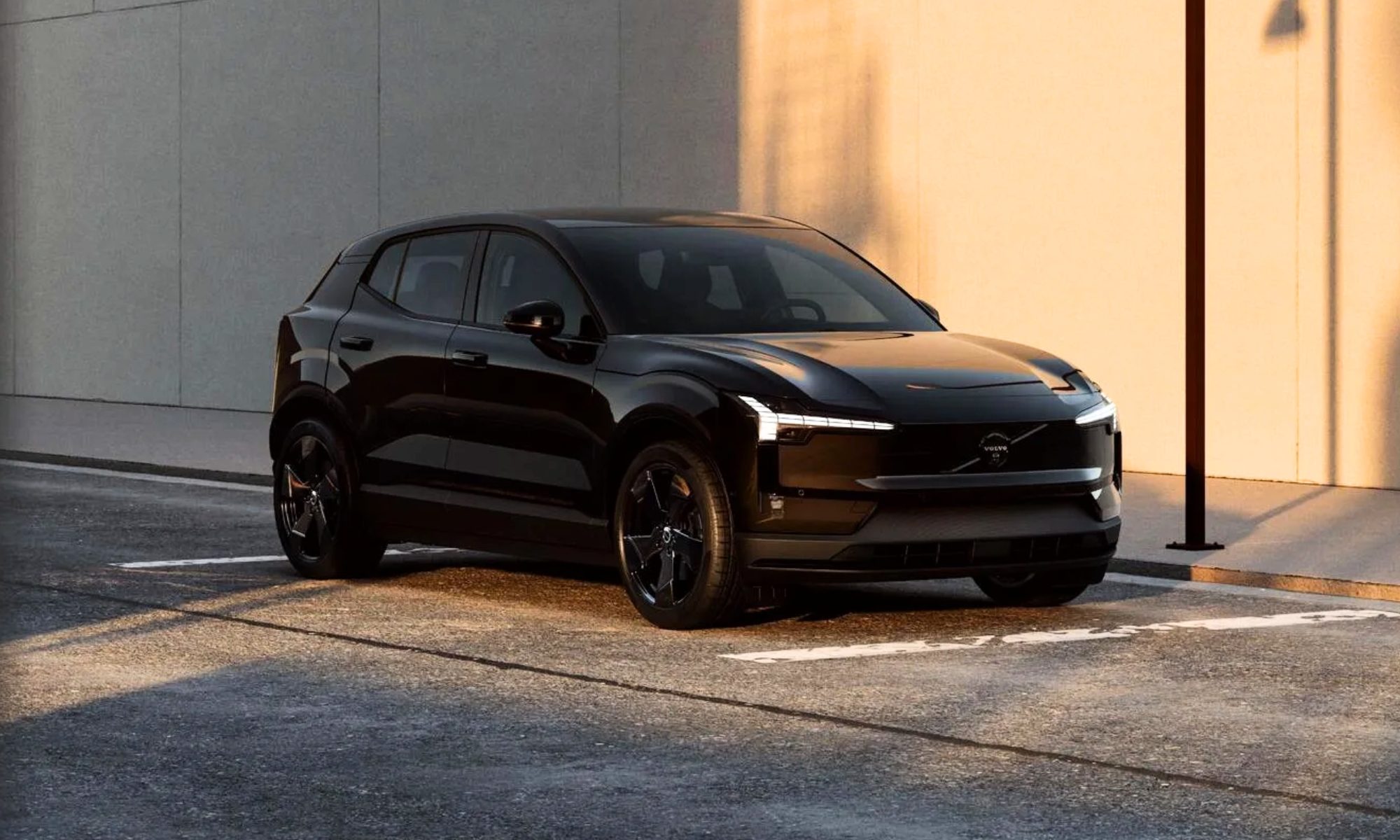
Volvo’s purported EX50 could be the budget-friendly plot twist nobody saw coming
Volvo's next electric SUV could shake up the EX lineup with more room and a smaller price tag.
Volvo EX30 front profile.

Volvo’s electric lineup needed a genuinely affordable entry point, and a new report suggests that buyers might actually get one. 

According to a new Automotive News report, Volvo is quietly working on a compact electric crossover, called the EX50. It will be aimed at replacing the dated EX40 in the US sometime in 2027. 

Read more
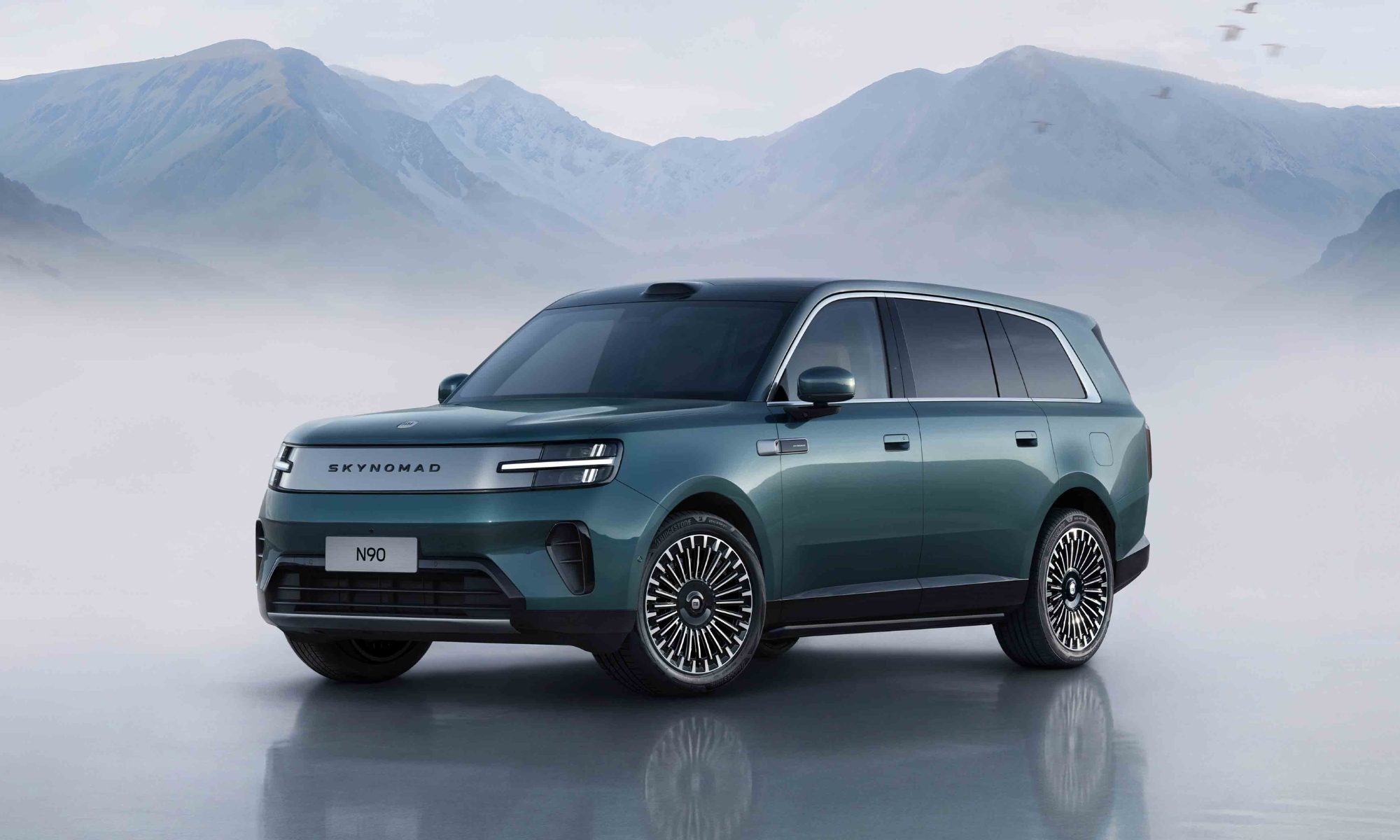
Xiaomi just launched an SUV with seven seats and a bedroom upstairs
Xiaomi’s SkyNomad SUV could replace your car, office, lounge, and tent
Skynomad

Xiaomi’s new family SUV is basically a house on wheels with enough claimed range to cover more than 1,000 miles. It also costs considerably less than its outlandish feature list might suggest. The company has officially launched the SkyNomad N90 Max in China for 299,900 yuan, equivalent to roughly $44,400 through direct conversion.

Preorders are open now, with the first vehicles expected to reach customers in September. The converted figure provides useful context, though it does not represent pricing outside China. Xiaomi describes the seven-seat flagship as a “house you can move.” This unusually grand pitch starts making sense once you see what happens inside.

Read more
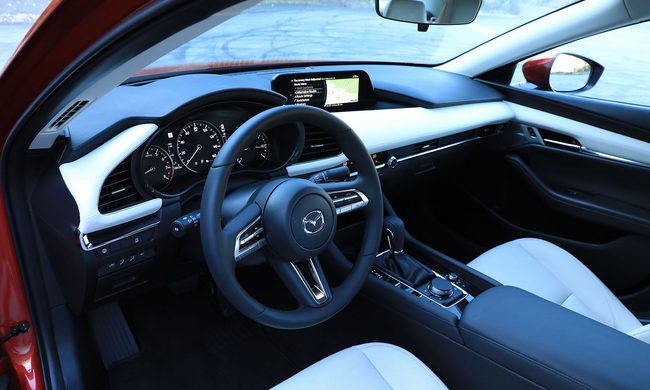
Mazda chief says the MX-5 Miata could go electric
2019 Mazda Mazda3 AWD review

For years, the idea of an electric Mazda MX-5 Miata felt almost impossible. The little roadster has always been celebrated for one thing above everything else: keeping things light. Add a heavy battery pack into the equation, and many enthusiasts assumed the Miata's trademark driving character would disappear along with it.

Mazda, however, appears to have changed its mind. In an interview with German publication auto motor und sport, Mazda CEO Masahiro Moro confirmed that the next-generation MX-5 is being developed with the possibility of an all-electric version in mind. It doesn't mean the iconic roadster is abandoning gasoline anytime soon. Still, it does suggest Mazda wants the Miata to survive in a future where internal combustion engines may no longer be an option.

Read more