  1. Home
  2. Computing
  3. News

Nvidia just took a big step toward fixing its nightmarish GPU supply problem

Add as a preferred source on Google
Image used with permission by copyright holder

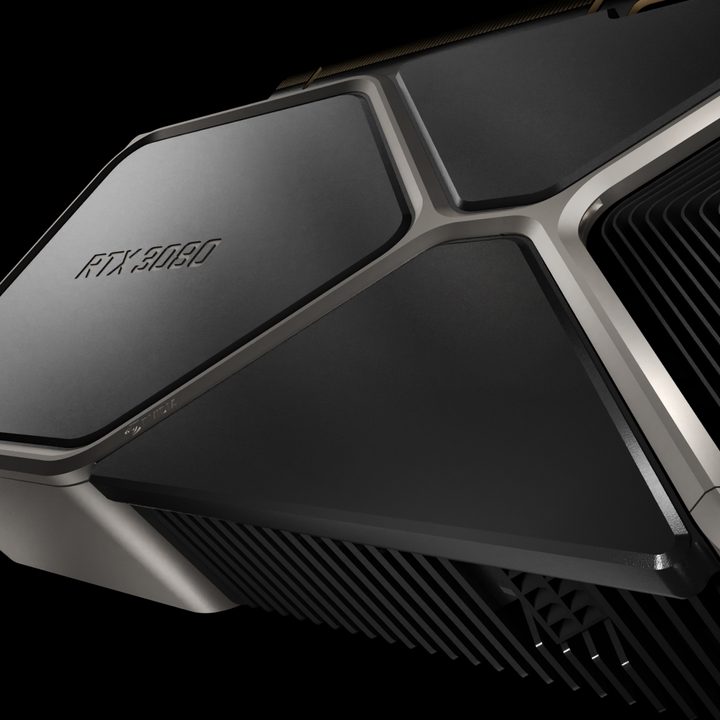
Nvidia announced a new step to combat cryptocurrency mining demand for its RTX 30-series graphics cards. Starting in late May, newly manufactured RTX 3080, 3070, and 3060 Ti graphics cards will have a reduced Ethereum hash rate. From Nvidia’s point of view, this should help “get more GeForce cards at better prices into the hands of gamers everywhere.”

This isn’t Nvidia’s first attempt at limiting crypto mining. The RTX 3060 also had an ETH hash rate limiter, which users were able to remove almost immediately after Nvidia accidentally released a beta driver that removed the restriction. The new Lite Hash Rate, or LHR, graphics cards won’t be susceptible to the same problem. These new cards come with a completely new GPU inside that should make the hash rate limit impossible to bypass.

Recommended Videos

Because it’s a new GPU core, the ETH limit isn’t retroactive. “This reduced hash rate only applies to newly manufactured cards with the LHR identifier and not to cards already purchased,” Matt Wuebbling, vice president of Global GeForce Marketing, explained in a blog post. That shouldn’t make a difference for gamers, though. LHR and non-LHR models are identical outside of the limited hash rate.

Wuebbling says that updated cards will have an identifier “in retail product listings and on the box.” Nvidia’s partners haven’t always been consistent with messaging in the past, though.

We originally expected Nvidia to refresh the entire Ampere line with new GPU cores, but there are two cards missing. The post doesn’t mention the RTX 3090 or base 3060. All RTX 3060 cards shipped with an ETH hash rate limiter, and Nvidia isn’t creating any new models. The RTX 3090 hasn’t seen much of an impact from Ethereum mining demand, according to Nvidia, so it won’t receive the LHR treatment at this time.

Although the new limiter should make newly manufactured cards easier to find, it’s far from a holistic solution to the GPU shortage that’s been going on for the better half of a year. Demand has driven prices up as much as 300% in some parts of the world, and a global semiconductor shortage has caused manufacturing issues.

Nvidia knows that the shortage is ongoing. However, the new LHR cards should reduce demand from  cryptocurrency miners and hopefully drive them toward Nvidia’s CMP (Cryptocurrency Mining Processor) range. If that happens, gamers will just need to compete with scalpers.


Jacob Roach
Former Lead Reporter, PC Hardware
Jacob Roach is the lead reporter for PC hardware at Digital Trends. In addition to covering the latest PC components, from…
Brave’s new Container feature is a lifesaver for anyone juggling multiple accounts
With this feature, you won't need to open three different browsers
Brave browser 3D logo

Brave has added Containers to its desktop browser, giving users a built-in way to keep different accounts, sessions, and browsing activity separate. The feature is available in Brave 1.92 for Windows, macOS, and Linux, and is rolling out in phases over the next few days.

Containers have been a highly requested feature, especially for users who regularly switch between work, personal, developer, or creator accounts. Once enabled, they let users open tabs in separate spaces where cookies and site storage are not shared outside that container.

Read more
Intel may bring back older desktop CPUs because DDR5 is getting too expensive
Older Intel Core CPUs from 10th to 14th Gen may get a second life
Intel Core i5-12400F box sitting in front of a gaming PC.

Intel may be preparing an unusual response to the ongoing memory crunch. According to Chinese outlet ITHome, citing ChannelGate, the company’s latest production plan includes restarting production of 13th-gen and 14th-gen Core processors.

The move is expected to increase supply across Intel’s 10th, 12th, 13th, and 14th Gen CPU families, especially in mainland China. For DIY PC builders, the timing is important. DDR5 memory prices have climbed sharply, making newer platforms harder to justify for anyone trying to build an affordable gaming PC.

Read more
Amazon wants to design in-house chips for Kindles, Fire TV, and Echo speakers
Apple did it first. Amazon is doing it now, starting with 40 million chips a year and a partner most people have never heard of.
Amazon Kindle Scribe dark mode featured image.

Apple's decision to design its own chips reshaped the consumer electronics industry. Amazon may be about to make the same call, just about two decades later.

Supply chain analyst Ming-Chi Kuo reports that Amazon is preparing to shift away from externally sourced processors for its consumer electronics lineup, marking what he describes as the company's first major processor procurement change in 20 years. The transition is expected to begin in 2027.

Read more