In the age of $70 games, every purchase can be a major investment. A good game review can help someone make sure that their money (and time) is going toward an experience they’re going to get something out of. If a game launches with serious bugs or broken mechanics, potential buyers should know that upfront.
But that’s not the only function of a game review.
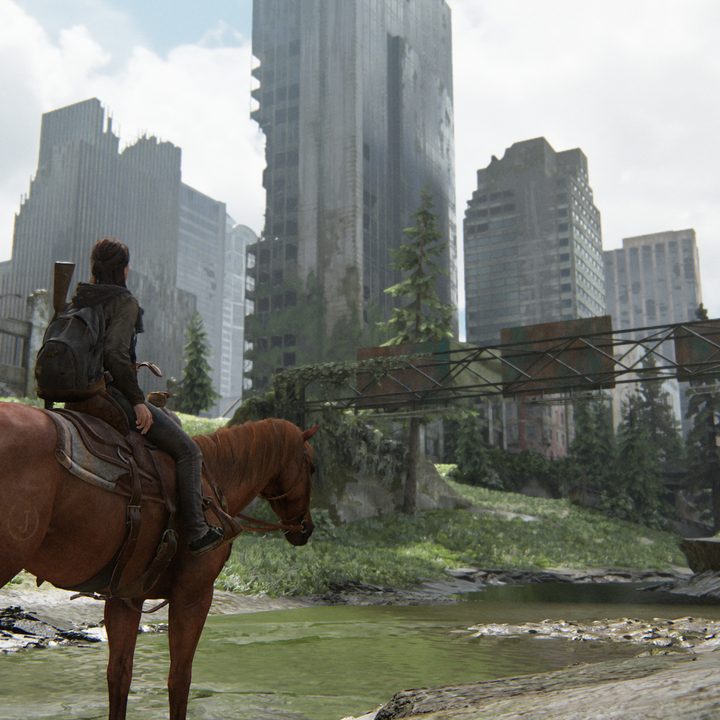
As the video game medium evolves, so does the way we play. Many games aren’t just escapist entertainment anymore. They have loftier storytelling goals, as they try to communicate themes to players through interactivity. A game like The Last of Us Part 2 is compelling because it actually has something to say about the inescapable nature of cyclical violence, and it expresses that through its play. A review isn’t always something you read before you buy a game; it can spark a dialogue with someone who’s already played something and wants to chew on it more. Just like a movie, our interaction with a game doesn’t have to stop when the credits roll.
At Digital Trends, we believe that these two approaches to reviews can, and should, coexist. We want to help readers spend both their money and time on games they’ll love. But we also aim to dig deeper than that, breaking down how effectively games tell a story, communicate ideas, or tackle themes. There’s no reason we shouldn’t critique video games the same way we do movies or novels.
Video games will only become stronger the more we dissect what works and what doesn’t. That means that we’re not afraid to get critical when a game is fun, but is clumsy in its thematic ambitions — and vice versa. We never come at games from a place of condescension. PC, console, mobile, it doesn’t matter — we believe all forms of gaming have value and deserve the same level of care.
Our ultimate aim is to help move gaming forward as a medium with thoughtful criticism. When we’re tough, it always comes from a constructive place, not a cynical one. When we recommend a game, it’s because we believe it’s a truly special experience that’s worthy of your attention.
How we play
We don’t aim to play every game to 100% completion. Rather, we tackle games at a more natural rate that we feel reflects the way many players experience games. Writers generally play a game through to its end when it has a defined goal, and they try to engage with as many of its systems as possible.
Throughout our playthroughs, we assess a variety of factors. The most immediate consideration is gameplay. How does it feel to play a game? Is it fun? If not, are its mechanics effectively serving another purpose? We won’t simply say “the shooting feels good” and leave it at that. We’ll always go deeper to figure out the underlying reason a mechanic is satisfying or doesn’t work as intended.
We treat a game’s thematic ideas or story just as seriously as gameplay. If a game is trying to communicate something to a player, we’ll always do our best to engage with those ideas and discuss how effectively they’re handled. That doesn’t mean that we see games that aim to be simple fun as inferior — we assess a game relative to what it wants to accomplish, whether that’s deep thought or pure entertainment.
Aesthetic critiques are based on how well a given style suits the game’s goal. Graphics don’t need to be photo-realistic or cutting edge. If a Nintendo game features simple, bright visuals that evoke a playful, childlike tone, we’ll take intent into account.
We value the quality of content in a game over quantity. A giant, AAA open-world game may contain 100 hours of gameplay, but what does it matter if it’s not an interesting space to explore? If a game is 10 hours long with little incentive to replay, but delivers a memorable experience, we’ll value it just as much as an endless live service game.
How games are scored
We believe in using the full range of our scoring rubric with gaming. We don’t see a three-and-a-half star review (what you’d traditionally call a “7/10”) as a death sentence for a video game. That’s the mark of a strong, often recommended game with plenty to like, though it may have flaws that will turn some players away. Similarly, a two-and-a-half star review does not translate to “terrible.” It means that we find the game to be average, with a fair share of pros and cons.
When we score a game four stars and above, we believe it’s truly special. A four-star game delivers a truly memorable experience that will stick with you for long after you’ve put the controller down. Not every competently developed, high-budget game achieves this. Developers continue to raise the bar for what games can accomplish, and our own bar raises accordingly.

Five-star reviews are a rarity, because we want that distinction to mean something. We hold a deep reverence for old gaming websites and magazines that were very judicious with their top honors. Would The Legend of Zelda: Ocarina of Time hold the legacy it has today if it hadn’t received near-unanimous perfect scores from publications at the time? A five-star review means that a game not only pushes the industry forward, but that it will stand the test of time and be considered an integral part of gaming’s canon moving forward. It’s a rare occurrence, and we hope that you’ll trust our judgment when we identify games that deserve the distinction.
How awards are given
We have one award badge that we give out to games: Editor’s Choice. A Editor’s Choice means that we believe a game is good enough to be a standout in its genre. These are the games you’ll largely see on our “Best of” lists across the site, because we truly believe they’re the top picks.
Games are often expensive and a gargantuan time commitment. When you see it at the top of a review, it’s a signal that we think a game is worth playing even if you aren’t particularly keen on its genre. These are truly special games that deserve broad attention.
Just because a game doesn’t receive an Editor’s Choice badge doesn’t mean we don’t recommend it. Every game has an audience, and we do our best to identify who each game we review will resonate with. These badges just help narrow down what’s a safe bet if you have a limited budget or little time to play.